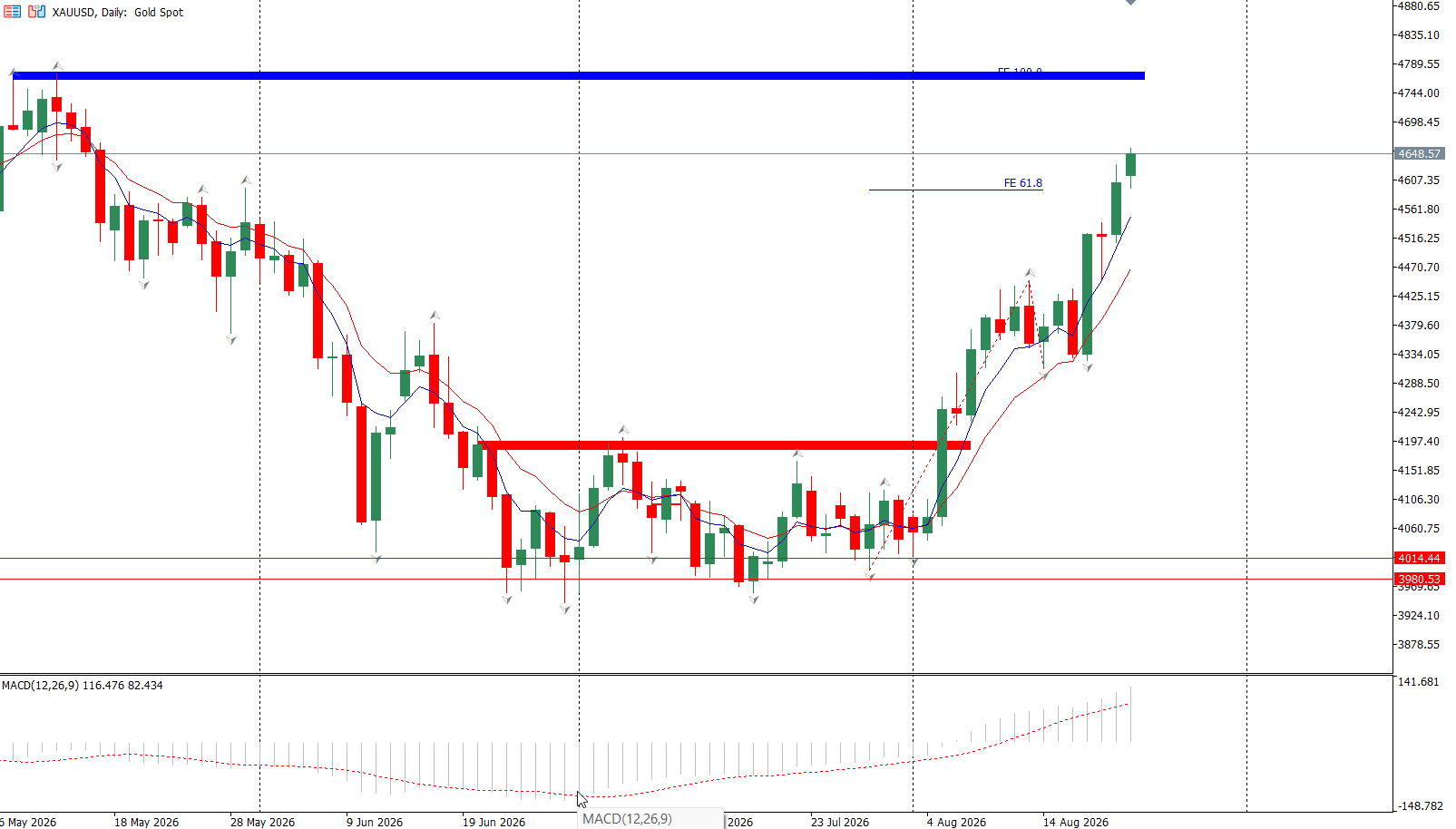
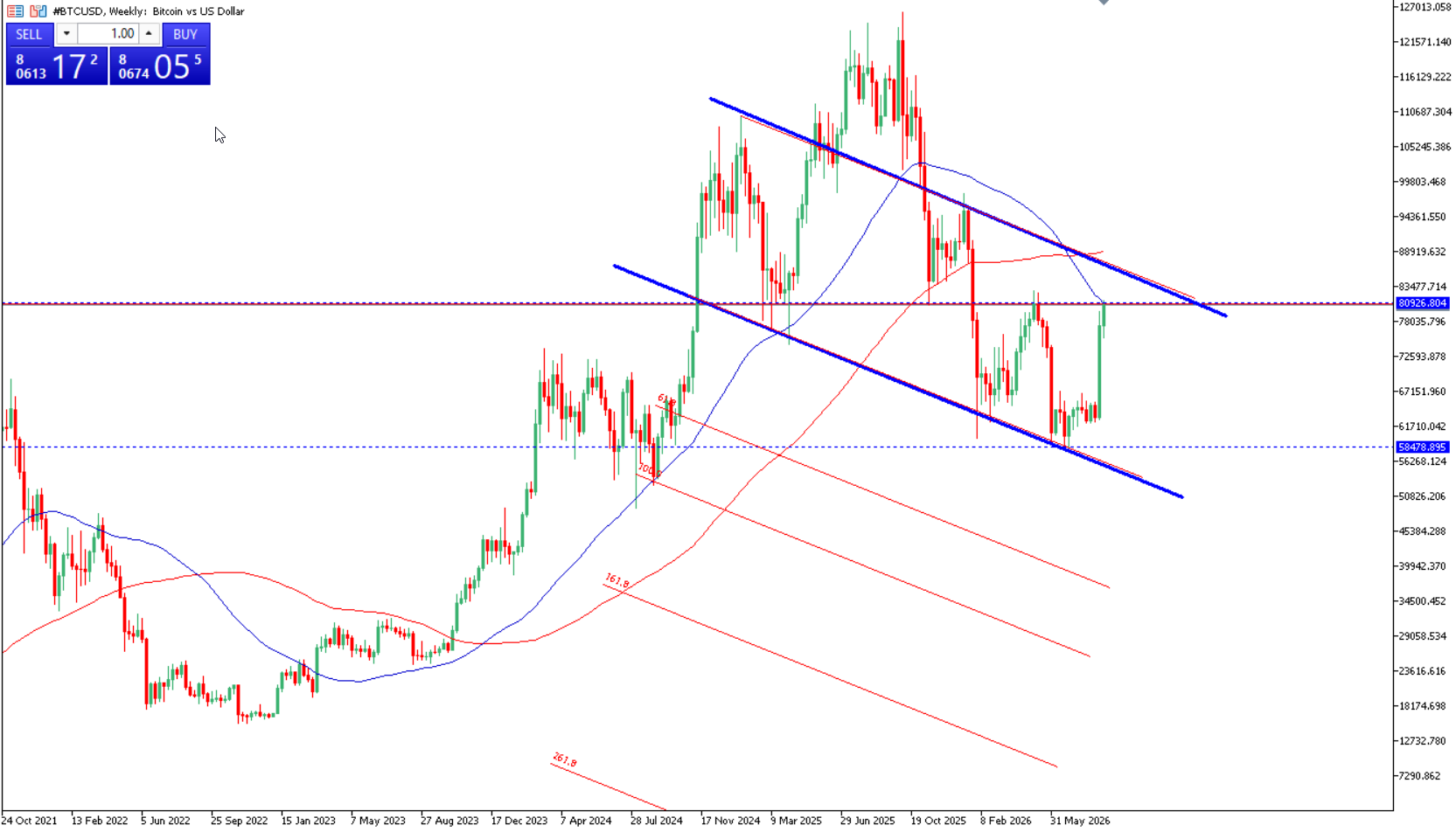
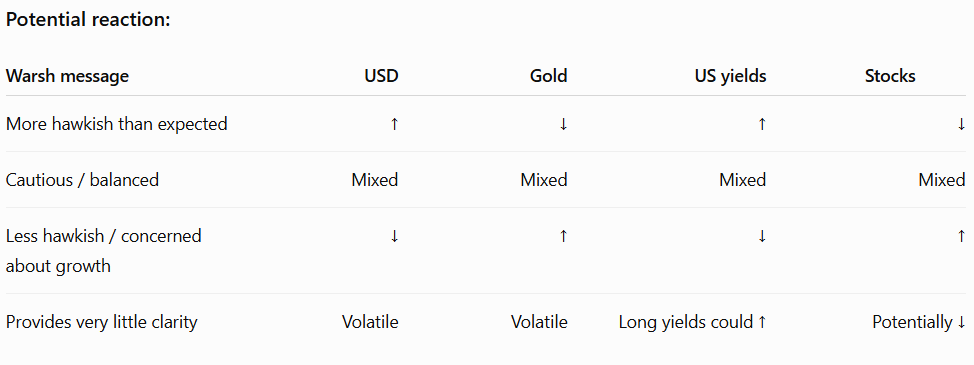
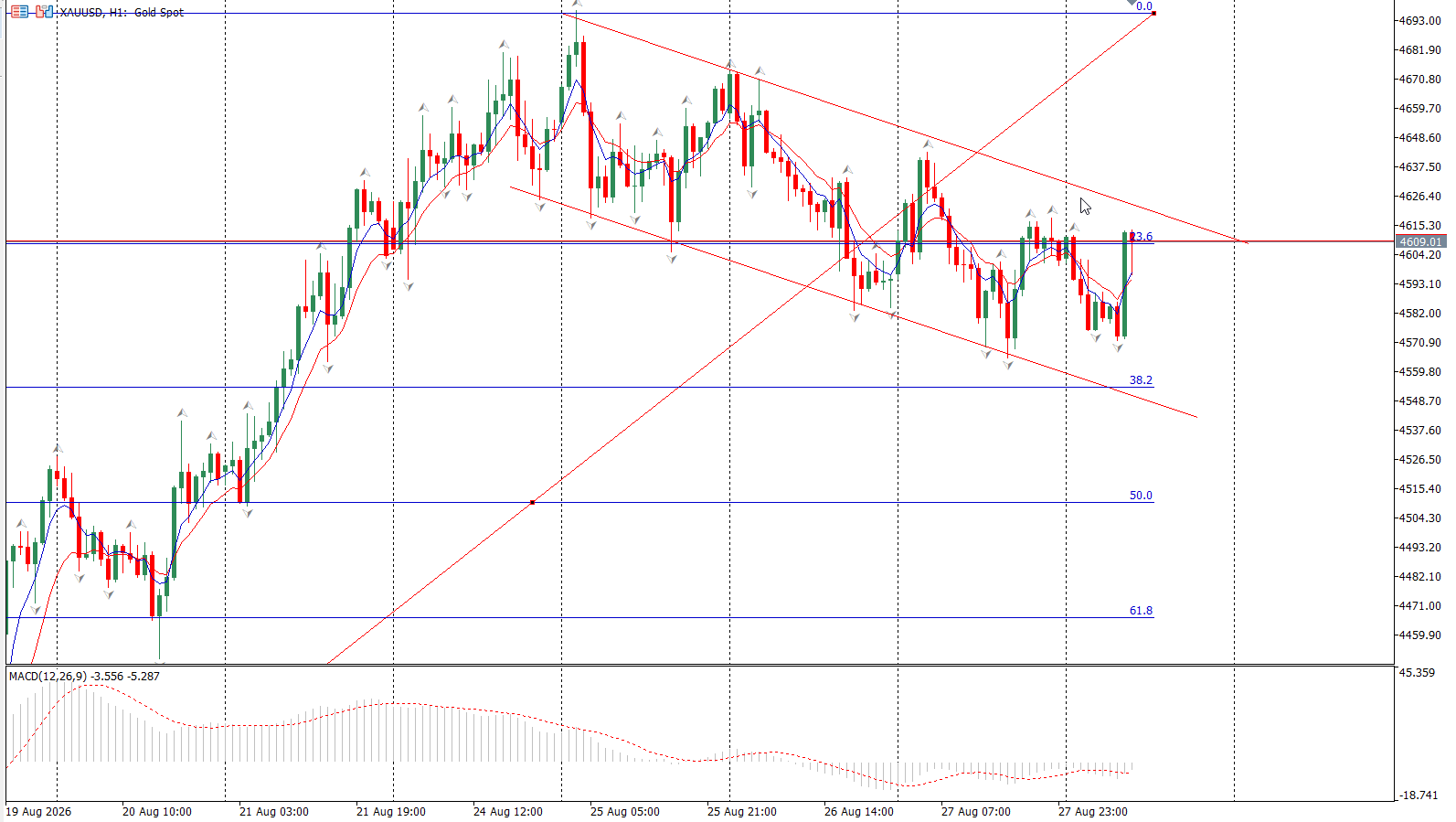
Page 36 sur 37

Re: Analyses de Marchés

Publié : 30 juil. 2026, 17:46
par HFblogNews
Date: 30th July 2026.

Hawkish Fed Talk, Iran Tensions, and Mixed Tech Earnings Pressure Markets.
Image
Trading Leveraged products is Risky

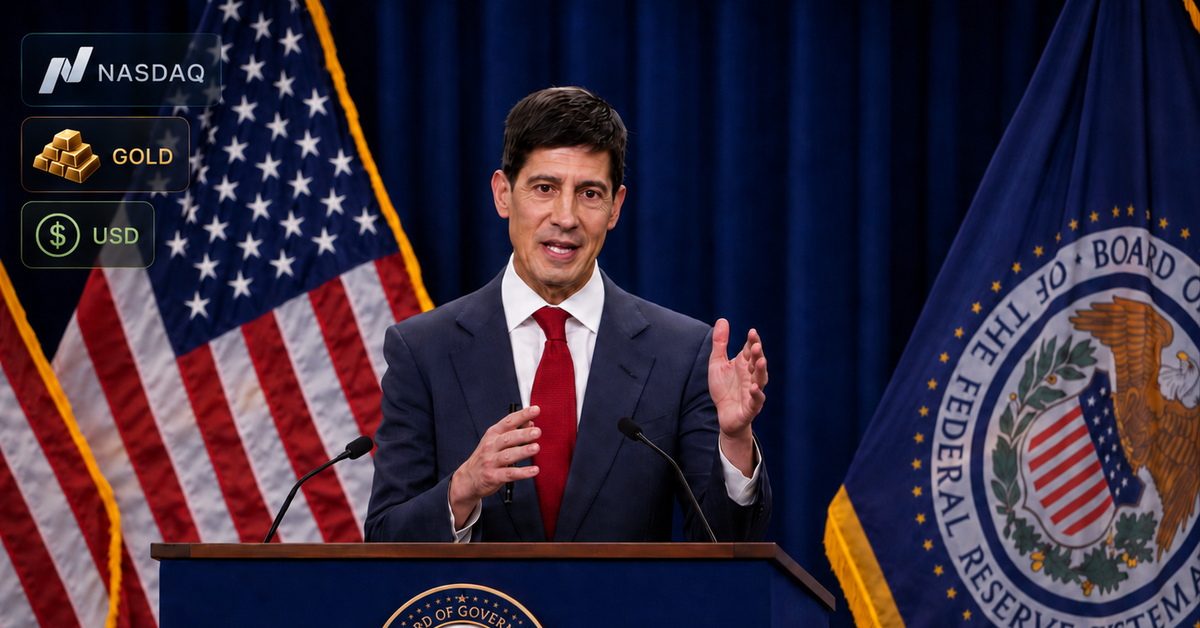
The Federal Reserve opts for a hawkish pause, with the chairman, Kevin Warsh, warning markets about rising inflation. Simultaneously, the US continues to strike Iranian targets, sending oil prices higher for a second day and adding to inflation fears. As a result, the stock market continues to decline, the US Dollar took a dive but is now recovering, and Gold continues to experience swings in both directions.

The stock market’s first reaction to the Federal Reserve’s decision was positive, as 36% of the market had previously been expecting a rate cut. However, US indices were quick to fall back lower as the chairman’s hawkish tone hit investor sentiment.

Microsoft Earnings Saves The NASDAQ From Larger Declines

The NASDAQ has fallen to its lowest level since 29 April as investors price in higher inflation, rate hikes, and mixed earnings reports. During the early hours of this morning’s Asian session, the NASDAQ rose upwards after finding some support from positive earnings reports.

Microsoft stock saw a significant rise after market close due to its stronger-than-expected quarterly earnings report for the second quarter. After the report was made public, the stock rose 8.90%, a much-needed boost for a stock that was trading at a 17% loss. According to analysts, without the boost from Microsoft’s positive earnings report, the NASDAQ would likely be trading below 27,000 points.

Microsoft’s revenue reached $90 billion, up 18% year over year and above Wall Street’s expectation of approximately $87 billion. Earnings were $4.74 per share, comfortably beating the expected $4.24. Furthermore, Azure and cloud services revenue grew 43%, exceeding the roughly 40% growth analysts expected. Azure also generated more than $100 billion in annual revenue for the first time.

Meta, on the other hand, saw a significant decline after making its own report public. Analysts had feared that Meta’s aggressive AI expansion and rising investment costs could weigh on its results. This fear indeed was proven through the latest quarterly report. Free cash flow collapsed by 91%, falling to just $784 million, as spending on data centres, chips, and other AI infrastructure increased sharply. In addition to this, Meta reported earnings of $6.18 per share, below analysts’ estimate of around $7.20.
Image
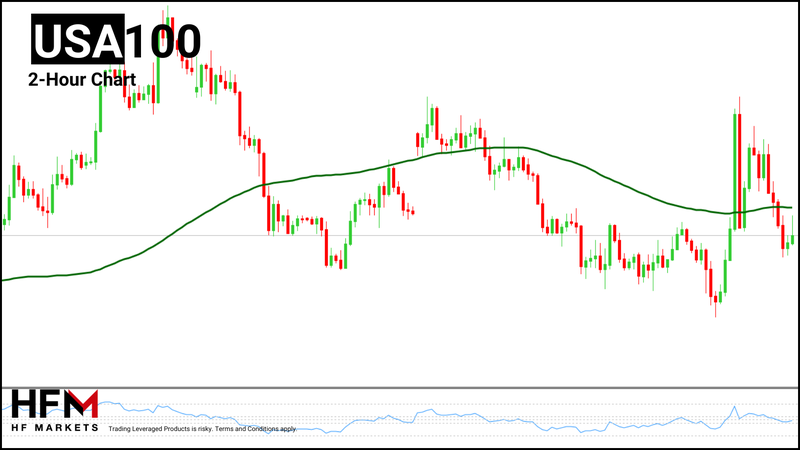
HFM - NASDAQ 2-Hour

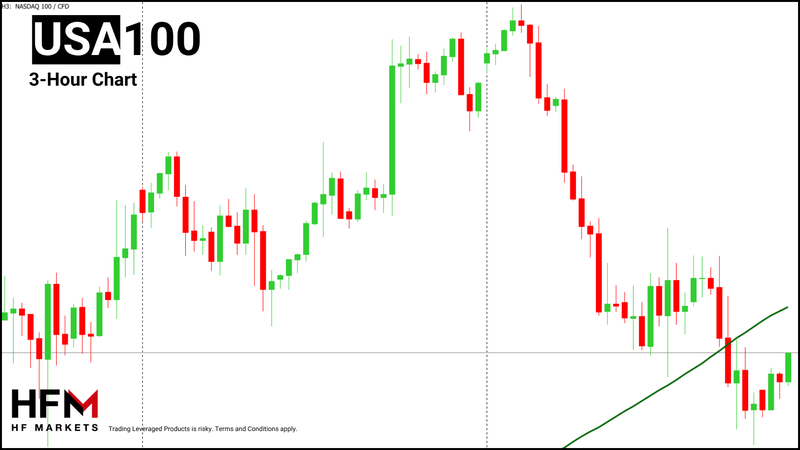
The price of the index retraced upwards but is seeing another bearish swing. However, sell indications may not be seen until the price falls to $27,240.00. On larger timeframes, the indications remain in favour of a bearish sentiment. The main concern for investors remains higher interest rates, trade tariffs, and rising inflation.

Gold - A Hawkish Fed Keeps the Pressure on Gold

The price of Gold rose in response to the Federal Reserve’s pause. However, concerns remain, and bearish signals remain in place. The US Dollar Index fell 0.74% after the announcement and formed a bearish breakout. However, Gold’s upward price movement formed no breakout, and the momentum did not follow the traditional correlation magnitude. For this reason, indications remain in favour of a range-bound condition with a bearish sentiment.

The US 10-year treasury yield rose to 4.70%, up 78 points, and the US Dollar index is again on the rise. Currently, the US Dollar is the best-performing currency of the day. This applies further pressure on Gold, particularly if the Dollar Index again rises above 101.00.

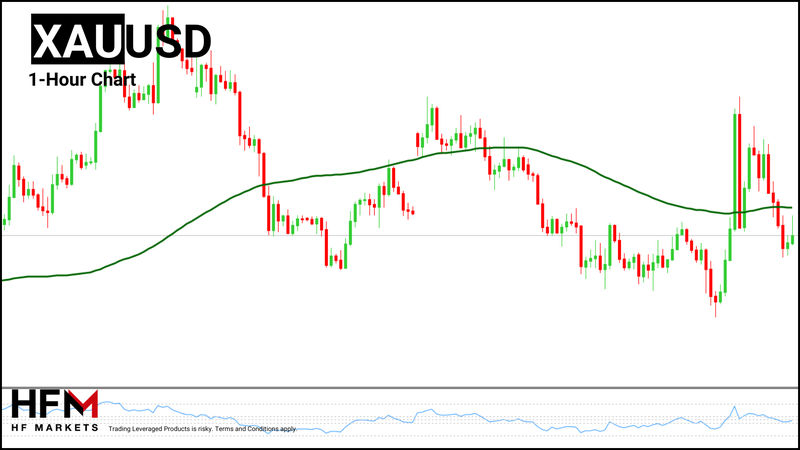
Most metals are trading lower this morning, but Silver is particularly trading with a large decline. If Gold prices fall below $4,034.65, sell signals are likely to strengthen, while the support level can be seen at $4,010.00.
Image
HFM - Gold 1-Hour Chart

USDJPY - The US Dollar Rises After a Sharp Fall on Wednesday

The worst-performing currency of the Asian session is the Japanese Yen while the best performing is the US Dollar. The US Dollar continues to remain under the influence of last night’s press conference. Chairman Kevin Warsh told markets that the committee has no soft inflation target and that many members support his position.

Three members of the FOMC voted to hike interest rates, while nine voted for a pause. However, almost 70% of the market believes the Federal Reserve will hike in September. Previously, a hike in September was deemed a 50/50 possibility. This morning’s oil prices rose to a weekly high, also adding further pressure on the Federal Reserve to start hiking.

This afternoon, the US will release its Core PCE Price Index and advance Gross Domestic Product. If these reports exceed expectations, they will likely support the US Dollar, especially if the PCE Price Index comes in higher than expected.

In addition to this, the Bank of Japan will also announce its rate decision tomorrow. If the central bank does not hike or convince markets that it can keep up with the global adjustments and inflation, the USD/JPY could potentially rise to 165.00.

Key Takeaways:

* The Federal Reserve’s hawkish pause increased concerns about persistent inflation and raised expectations of future interest rate hikes.
* Microsoft’s stronger-than-expected earnings gave the NASDAQ important support and helped prevent an even larger decline.
* Meta shares fell sharply after weak earnings and heavy AI spending caused free cash flow to drop significantly.
* Rising oil prices added to inflation concerns, putting further pressure on global stock markets and investor sentiment.
* The US Dollar recovered after an initial decline, while Gold remained volatile and continued to face bearish pressure.

Always trade with strict risk management. Your capital is the single most important aspect of your trading business.

Please note that times displayed based on local time zone and are from time of writing this report.

Click HERE to access the full HFM Economic calendar.

Want to learn to trade and analyse the markets? Join our webinars and get analysis and trading ideas combined with better understanding of how markets work. Click HERE to register for FREE!

Click HERE to READ more Market news.

Michalis Efthymiou
HFMarkets


Disclaimer: This material is provided as a general marketing communication for information purposes only and does not constitute an independent investment research. Nothing in this communication contains, or should be considered as containing, an investment advice or an investment recommendation or a solicitation for the purpose of buying or selling of any financial instrument. All information provided is gathered from reputable sources and any information containing an indication of past performance is not a guarantee or reliable indicator of future performance. Users acknowledge that any investment in Leveraged Products is characterized by a certain degree of uncertainty and that any investment of this nature involves a high level of risk for which the users are solely responsible and liable. We assume no liability for any loss arising from any investment made based on the information provided in this communication. This communication must not be reproduced or further distributed without our prior written permission.
Re: Analyses de Marchés

Publié : 31 juil. 2026, 13:23
par HFblogNews
Date: 31st July 2026.

Japan Intervenes to Boost the Yen.

Image
Trading Leveraged products is Risky

The Japanese government intervened in the currency market for the fourth time this year to strengthen the Japanese Yen. The Yen rose 3.30% against the US Dollar, taking the exchange rate to its lowest level since mid-May. However, the Japanese Yen did not find any support from the Bank of Japan, which chose to keep interest rates at 1.00%. The currency also came under pressure from weaker economic and inflationary data made public yesterday afternoon.

Global stocks are rebounding on relief over unchanged interest rates and positive earnings. However, many negative price drivers remain, including bond yields, which are almost at a 20-year high, and expectations of up to three rate hikes this year.

USD/JPY

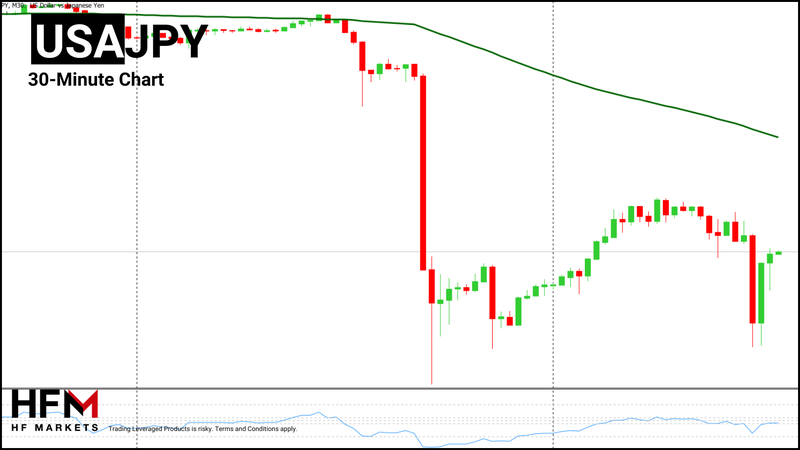
The USD/JPY is trading at 160.40 after the Japanese government chose to boost the currency before the BOJ’s rate decision. The intervention took place in two phases, the first at the end of the Japanese session, and another larger intervention before the opening of the US session.

It is no secret that the Japanese government is looking to keep the USDJPY exchange rate below 160.00. Before the intervention, the price of USD/JPY was almost at 164.00 and, with no rate adjustment from the BOJ this morning may even have edged closer to 165.00. Any price above 160.00 is at risk of seeing the Japanese government intervene. According to reports, the US government is also in favour of the exchange rate weakening slightly and is assisting Japan in boosting the currency.

However, traders should note that interventions are known not to support currencies in the long-term. The Japanese government has taken similar currency operations on three occasions this year and many more since 2022. However, the Japanese Yen has continued to decline. This is due to the Bank of Japan lacking decisiveness over its monetary policy and rate hikes.

According to the Bank of Japan Governor, Mr Ueda, the central bank will ‘manage the policy to avoid falling behind the curve’. However, many economists and investors still deem this less hawkish than the Federal Reserve. Many analysts advise that the Japanese government may even continue to intervene further in the upcoming days.

Key levels for the Japanese Yen are 159.00, 160.88, 161.69, and 162.94.

Image
HFM - USDJPY 30-Minute Chart

Always trade with strict risk management. Your capital is the single most important aspect of your trading business.

Please note that times displayed based on local time zone and are from time of writing this report.

Click HERE to access the full HFM Economic calendar.

Want to learn to trade and analyse the markets? Join our webinars and get analysis and trading ideas combined with better understanding of how markets work. Click HERE to register for FREE!

Click HERE to READ more Market news.

Michalis Efthymiou
HFMarkets


Disclaimer: This material is provided as a general marketing communication for information purposes only and does not constitute an independent investment research. Nothing in this communication contains, or should be considered as containing, an investment advice or an investment recommendation or a solicitation for the purpose of buying or selling of any financial instrument. All information provided is gathered from reputable sources and any information containing an indication of past performance is not a guarantee or reliable indicator of future performance. Users acknowledge that any investment in Leveraged Products is characterized by a certain degree of uncertainty and that any investment of this nature involves a high level of risk for which the users are solely responsible and liable. We assume no liability for any loss arising from any investment made based on the information provided in this communication. This communication must not be reproduced or further distributed without our prior written permission.
Re: Analyses de Marchés

Publié : 03 août 2026, 20:34
par HFblogNews
Date: 3rd August 2026.

US-Japan Yen Intervention and Iran Talks Reshape Global Markets.

Image
Trading Leveraged products is Risky

Global markets began the week with major price movements across currencies, commodities, bonds, and stock indices as traders reacted to two significant developments: coordinated US-Japan intervention in the Japanese yen and renewed diplomatic efforts between the United States and Iran.

The intervention triggered a sharp recovery in the yen and increased volatility in USD/JPY, while hopes of a US-Iran agreement sent oil prices sharply lower. Falling energy prices also eased inflation concerns, supporting government bonds, gold, and US equity futures.

For CFD traders, these developments create both opportunities and risks across forex, commodities, and global indices.

US and Japan Join Forces to Support the Yen

Japan confirmed that it had intervened in the foreign exchange market in coordination with the US Treasury after the yen reached its weakest level against the dollar in approximately four decades.

This marked the first coordinated US-Japan intervention of its kind in 15 years and demonstrated that both governments are increasingly concerned about disorderly movements in the currency market.

Japan is estimated to have spent approximately $53 billion during one day of intervention, potentially making it the country’s largest single-day currency operation on record. The exact size of the US contribution has not been confirmed.

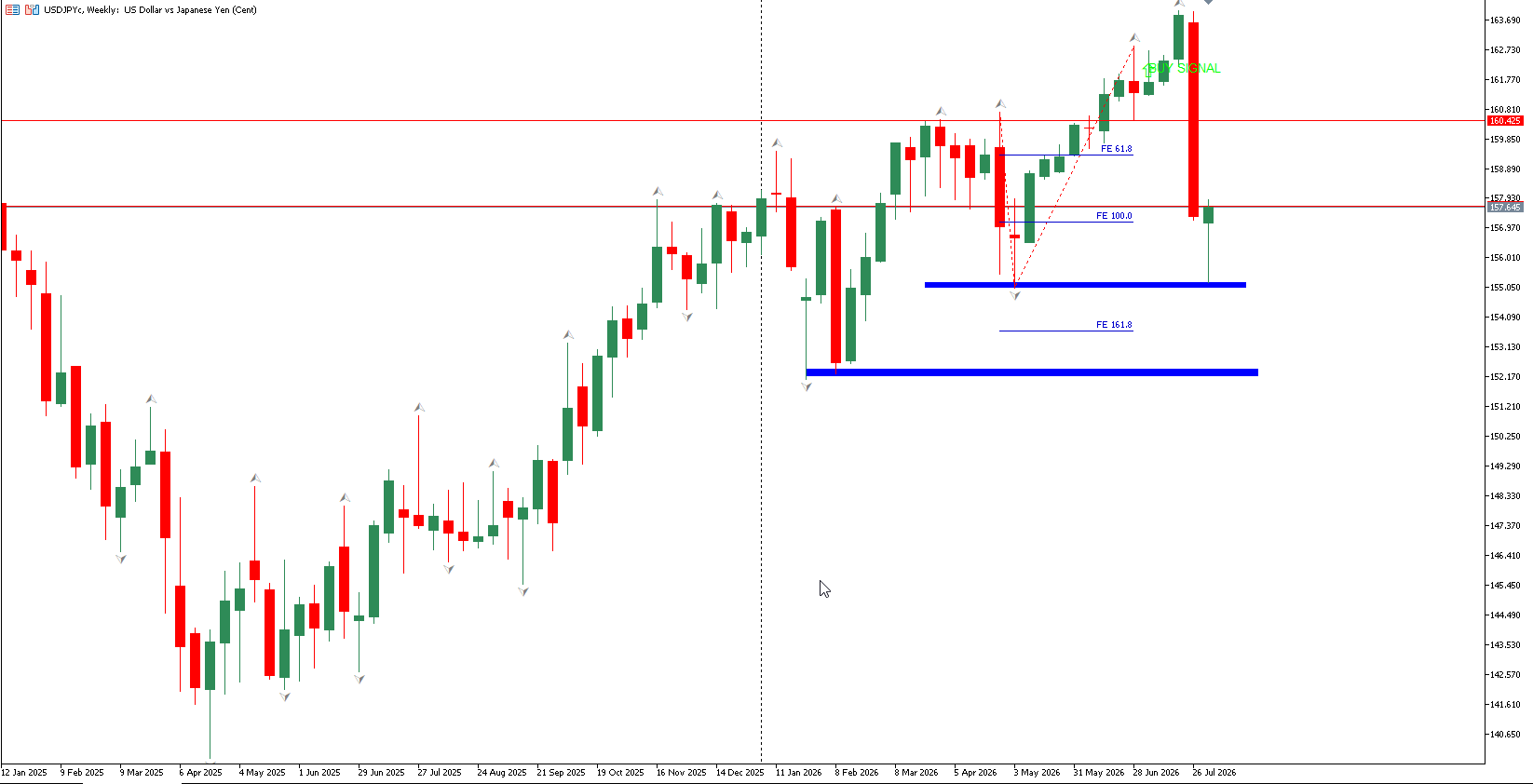
Following the joint action, the yen strengthened sharply, and USD/JPY briefly fell towards 155.23, its lowest level since early May. The pair had previously approached the 164 region during July.

Japanese and US officials have also warned that they are prepared to intervene again should excessive volatility return.

Why Did the US Reportedly Use Euros to Buy Yen?

One of the most unusual aspects of the intervention was the reported decision by the US Treasury to sell euros rather than US dollars to purchase yen.

Historically, the US has normally intervened directly through the dollar. However, selling dollars to buy yen could have created the impression that Washington was deliberately attempting to weaken its own currency.

Such a move could conflict with the US government’s long-standing support for a strong dollar and raise questions about whether the country was seeking a competitive advantage through exchange-rate manipulation. Using euros allowed the US to support the Japanese currency without creating the same immediate downward pressure on the dollar.

Image

The euro is the world’s second most traded currency and accounted for approximately 29% of global foreign exchange turnover in the latest Bank for International Settlements survey. It is therefore liquid enough to be used in a large-scale intervention.

However, the strategy may still indirectly affect the dollar over time if the US Treasury later needs to rebalance its foreign exchange reserves.

Yen Short Positions Could Accelerate the Move

The intervention came at a particularly sensitive time for speculative positioning.

Before the operation, asset managers and leveraged funds had built their largest net short positions against the yen since 2024. Hedge funds’ bearish exposure was also close to its highest level since 2007.

This positioning increases the risk of a short squeeze.

When traders who have sold the yen begin closing their positions, they must buy the currency back. A large-scale unwinding of bearish positions could therefore amplify the yen’s recovery and push USD/JPY lower.

Some analysts believe USD/JPY could remain under pressure around the 155 area. A move towards 150 may also become possible if speculative positioning shifts from net short to net long yen exposure.

Nevertheless, intervention alone may not be enough to create a permanent change in direction.

Can the Yen Continue Strengthening?

The coordinated action has changed the short-term risk of betting against the yen, but longer-term fundamentals remain challenging.

Several factors continue to weigh on the Japanese currency:

* The interest rate gap between Japan and the United States remains wide.
* Concerns continue over Japan’s fiscal position and government spending plans.
* Global geopolitical uncertainty remains elevated.
* Investors are still assessing whether the Bank of Japan will tighten monetary policy further.

The Bank of Japan recently kept its benchmark interest rate unchanged at 1%, although Governor Kazuo Ueda indicated that policymakers would avoid falling behind inflationary developments.

Market expectations for a September rate increase have risen, with overnight swaps suggesting an estimated 46% probability of a move, compared with around 30% one week earlier.

However, if intervention successfully stabilises the currency, the Bank of Japan may feel less pressure to raise rates immediately.

For sustained yen appreciation, traders may need to see additional BOJ tightening, lower US Treasury yields, or greater confidence in Japan’s fiscal outlook.

Bond Markets Are Another Reason for US Involvement

The US decision to support Japan may not have been driven solely by foreign exchange concerns.

Japan is the largest foreign holder of US government debt. To finance a large-scale yen intervention, Japanese authorities could theoretically sell part of their US Treasury holdings.

Heavy Treasury sales could push US bond prices lower and yields higher at a time when markets are already concerned about inflation and government borrowing costs.

The Federal Reserve has a facility that allows Japan to borrow dollars using its Treasury holdings as collateral. Japan can reportedly access up to $60 billion per day through this mechanism without directly selling its US bonds.

This arrangement allows Japanese authorities to obtain liquidity while limiting the impact on Treasury yields.

The intervention therefore serves two purposes: supporting the yen and reducing the risk that Japan’s actions create instability in the US bond market.

Iran Talks Send Oil Prices Sharply Lower

Currency intervention was not the only major market driver.

US President Donald Trump announced that fresh negotiations with Iran would begin after cancelling a planned military attack. The decision followed requests from regional allies, including Saudi Arabia, to prioritise diplomacy.

The discussions are expected to focus partly on reopening the Strait of Hormuz, one of the world’s most important energy shipping routes.

The conflict and the disruption to shipping through the strait had created concerns about global oil supplies and pushed energy prices higher.

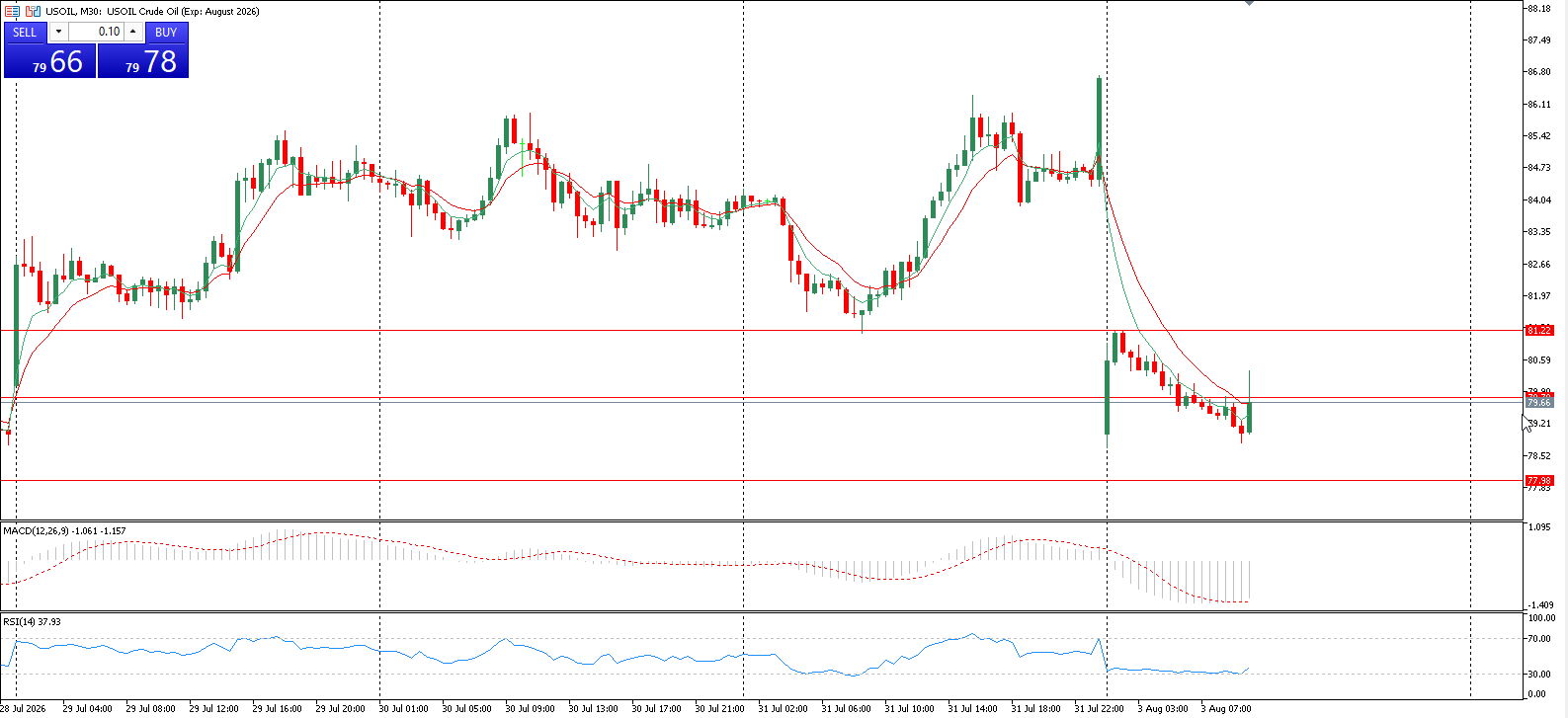
Following the announcement, Brent crude for October delivery fell as much as 7.3% to approximately $81.55 per barrel.

The decline came after oil prices had risen by more than 20% during July.

For oil CFD traders, the next significant catalyst will be whether negotiations produce a concrete agreement to reopen the shipping route. A successful deal could place further downward pressure on crude prices, while a breakdown in talks could quickly restore the geopolitical risk premium.

Image

Lower Oil Prices Ease Inflation Concerns

The sharp fall in oil prices had an immediate impact beyond the energy market.

Higher fuel and transportation costs can contribute to broader inflation, potentially forcing central banks to maintain higher interest rates. A sustained decline in crude prices could therefore reduce some of the pressure on the Federal Reserve to tighten monetary policy further.

US Treasuries moved higher following the oil decline, with the 10-year yield falling by around four basis points to approximately 4.69%.

The move came after the benchmark yield reached its highest level since January 2025 during the previous week.

Lower yields can support assets such as technology stocks and gold because they reduce borrowing costs and lower the opportunity cost of holding non-yielding assets.

Gold Rises Despite Reduced Geopolitical Risk

Gold advanced towards the $4,070 region as traders assessed the potential impact of lower oil prices on inflation and US monetary policy.

Normally, easing geopolitical tensions can reduce demand for traditional safe-haven assets. However, the decline in energy prices also reduced expectations that persistent inflation would force the Federal Reserve to raise interest rates aggressively.

This created a more supportive interest rate environment for bullion.

Gold remains more than 20% below the levels recorded before the US-Iran conflict began, as rising energy prices and higher bond yields had previously weighed on the precious metal.

The next direction for gold is likely to depend on three main factors:

*The outcome of the US-Iran negotiations.
*Changes in Treasury yields.
*Expectations for the Federal Reserve’s September decision.

If diplomacy succeeds and yields continue falling, gold could receive support from a less restrictive interest rate outlook. However, a breakdown in talks could produce a more complicated reaction, potentially increasing safe-haven demand while also reviving inflation concerns.

Stock Markets React to Lower Oil and AI Volatility

US and European equity futures moved higher as falling oil prices improved market sentiment.

NASDAQ 100 futures and European stock futures advanced by approximately 0.8%, supported by lower inflation concerns and declining bond yields.

Technology stocks are particularly sensitive to interest rate expectations because their valuations often depend heavily on future earnings. Lower yields generally increase the present value of those expected earnings.

Asian stock markets produced a more mixed performance.

South Korea’s KOSPI Index fell by more than 5%, reversing part of the previous session’s record 18% rally. Samsung Electronics and SK Hynix declined by approximately 8%, contributing to a broader fall in regional semiconductor stocks.

The Nikkei 225 also moved lower as the stronger yen created pressure for Japanese exporters. A stronger domestic currency can reduce the value of overseas earnings when converted back into yen and make Japanese products more expensive internationally.

Meanwhile, Chinese technology shares received some support from renewed enthusiasm surrounding artificial intelligence developments.

What Should Traders Watch Next?

The immediate market outlook will depend on several interconnected developments.

In forex markets, traders will closely monitor whether USD/JPY can remain above the 155 area and whether authorities conduct another round of intervention. Sudden price movements remain possible because officials have clearly indicated that they are willing to act again.

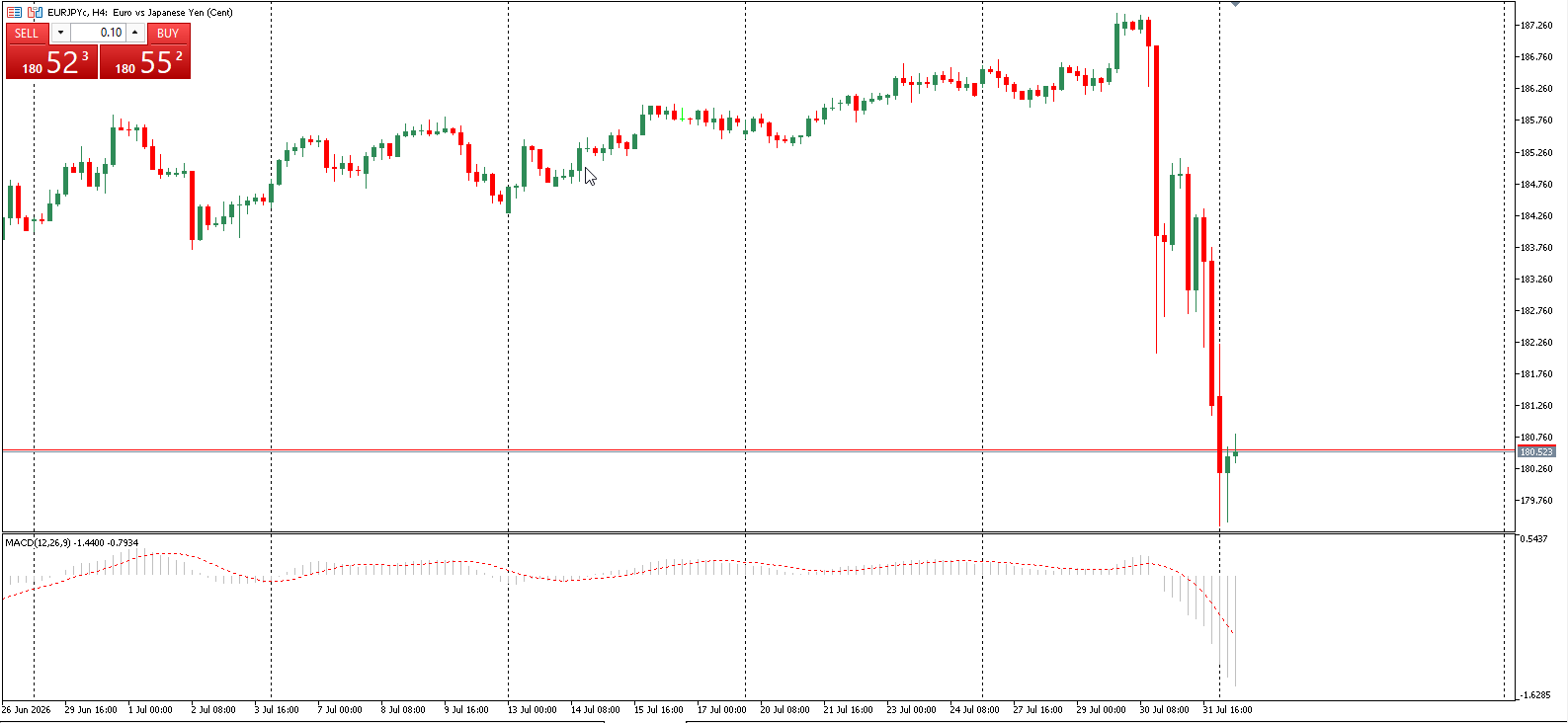
EUR/JPY may also experience increased volatility because the US reportedly used euros during the intervention. EUR/USD could become relevant if reserve rebalancing creates additional euro or dollar flows.

In commodities, the focus will remain on the US-Iran negotiations and any announcement concerning the Strait of Hormuz. Oil markets may remain highly sensitive to headlines, with failed talks potentially reversing the latest decline.

Gold traders should monitor the relationship between crude prices, inflation expectations, and Treasury yields. Lower yields may support bullion even if geopolitical tensions ease.

For equity traders, falling energy costs could provide relief for consumer and technology sectors. However, the stronger yen may continue to weigh on Japanese exporters, while volatility in semiconductor stocks remains a major risk for the NASDAQ and Asian indices.

Key Market Takeaways

The US and Japan have demonstrated that they are prepared to take significant action to prevent excessive yen weakness.

The intervention may trigger further short covering and keep USD/JPY volatile, but sustained yen strength will probably require support from monetary policy and economic fundamentals.

At the same time, renewed US-Iran diplomacy has reduced immediate concerns about oil supplies, sending crude prices sharply lower and easing inflation fears.

These developments have created a cross-asset reaction: the yen strengthened, oil declined, government bonds rose, gold advanced, and US equity futures moved higher.

For CFD traders, the market remains highly headline-driven. Currency intervention and geopolitical negotiations can trigger sudden price gaps, rapid reversals, and increased spreads. Careful risk management remains essential while markets assess whether these developments represent lasting changes or only temporary relief.

Always trade with strict risk management. Your capital is the single most important aspect of your trading business.

Please note that times displayed based on local time zone and are from time of writing this report.

Click HERE to access the full HFM Economic calendar.

Want to learn to trade and analyse the markets? Join our webinars and get analysis and trading ideas combined with better understanding of how markets work. Click HERE to register for FREE!

Click HERE to READ more Market news.

Andria Pichidi
HFMarkets


Disclaimer: This material is provided as a general marketing communication for information purposes only and does not constitute an independent investment research. Nothing in this communication contains, or should be considered as containing, an investment advice or an investment recommendation or a solicitation for the purpose of buying or selling of any financial instrument. All information provided is gathered from reputable sources and any information containing an indication of past performance is not a guarantee or reliable indicator of future performance. Users acknowledge that any investment in Leveraged Products is characterized by a certain degree of uncertainty and that any investment of this nature involves a high level of risk for which the users are solely responsible and liable. We assume no liability for any loss arising from any investment made based on the information provided in this communication. This communication must not be reproduced or further distributed without our prior written permission.
Re: Analyses de Marchés

Publié : 04 août 2026, 11:46
par HFblogNews
Date: 4th August 2026.

Global Stocks Near Records as Yen and Oil Stay Volatile | Eyes on US Jobs7.

Image
Trading Leveraged products is Risky

Global stock markets are trading close to record levels after a technology-led rebound on Wall Street improved investor sentiment following a highly volatile month.

However, the market outlook remains sensitive to several major developments. Traders are closely monitoring the impact of coordinated US-Japan intervention in the currency market, renewed volatility in oil prices, geopolitical tensions involving Iran, and the upcoming US employment report.

Technology earnings are also returning to the spotlight as investors assess whether the substantial investment directed towards artificial intelligence is beginning to generate stronger revenue and profits.

Global Stock Markets Remain Near Record Highs

The MSCI All Country World Index remained close to 1,130, slightly below its record high of 1,136.59.

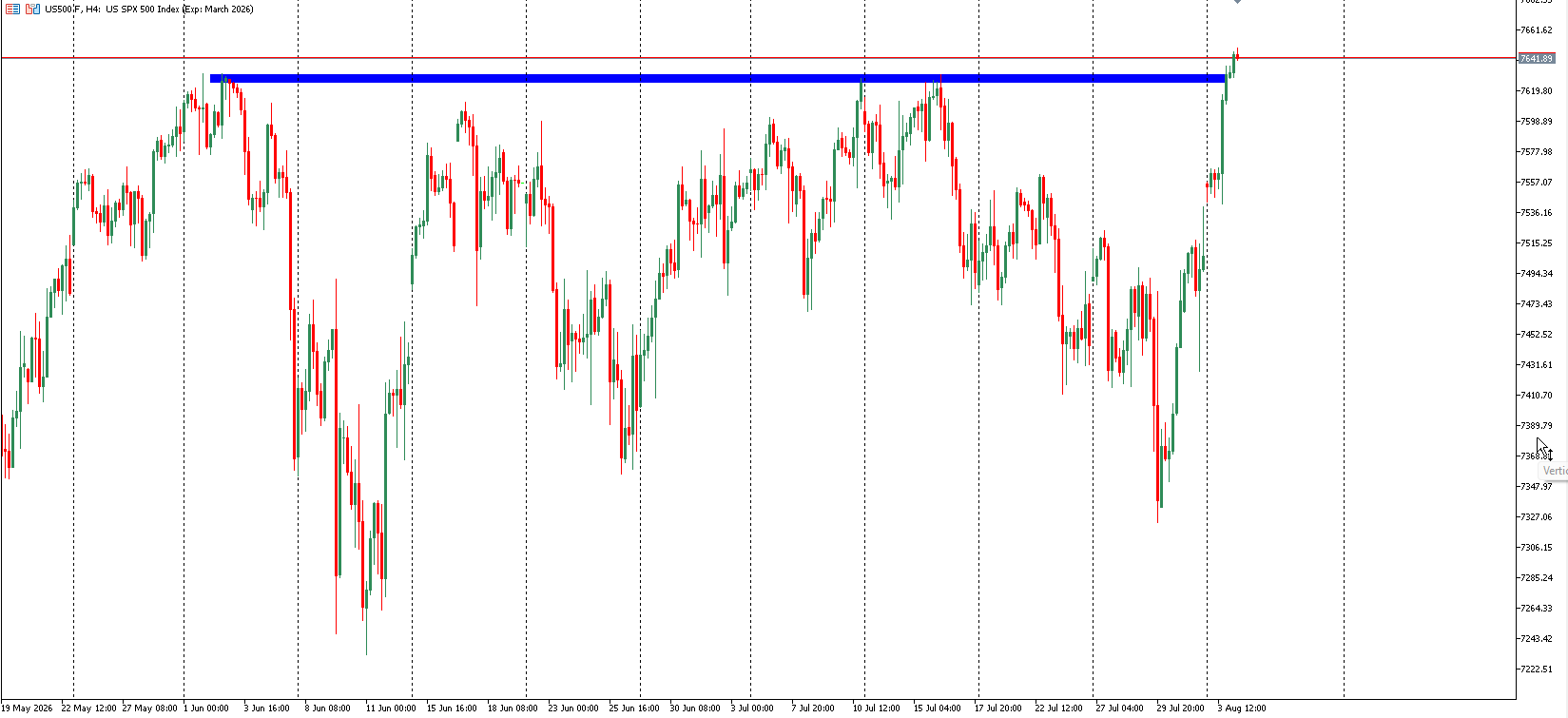
US stocks strengthened during Monday’s session, led by large technology companies. The rally moved the S&P 500 closer to its all-time high, while index futures subsequently climbed to record territory.

NASDAQ 100 futures also rose approximately 0.6%, indicating that demand for technology stocks remained positive heading into Tuesday’s trading session.

European stock futures pointed towards a stronger opening, although Asian markets delivered a more mixed performance.

The latest recovery follows a turbulent period for the technology sector. Investors have increasingly questioned whether the billions of dollars being spent on artificial intelligence infrastructure will produce sufficient growth and profitability.

Until recently, much of the AI-related investment interest had focused on semiconductor producers, data centre providers, and other companies supplying the infrastructure required to develop artificial intelligence.

Attention may now be shifting towards businesses that can use AI to improve their products, reduce costs, or increase earnings.

This change could become an important theme for technology markets. Investors may increasingly distinguish between companies simply spending heavily on AI and those demonstrating measurable financial returns from that investment.

Image

Palantir Rallies After Raising Its Forecast

Palantir Technologies gained approximately 14% in extended trading after the company raised its financial forecasts.

The strong reaction suggests that investors remain willing to reward companies that can demonstrate clear revenue growth linked to artificial intelligence.

The announcement also supported broader optimism towards technology stocks following Monday’s strong Wall Street session. A gauge of major technology companies recorded its best daily performance since March, while semiconductor shares rose by approximately 1%.

Nevertheless, volatility remains elevated.

Technology-focused investment funds have experienced significant fluctuations as expectations surrounding AI spending, valuations, and future profitability continue to change.

Amazon shares fell approximately 1.6% in post-market trading after Chairman Jeff Bezos disclosed plans to sell shares. The decline followed a three-day rally that had lifted Amazon’s market value to around $3 trillion.

SpaceX Earnings Enter the Spotlight

Another major event for technology investors is the first earnings report from SpaceX as a publicly traded company.

The report could test investor demand for highly valued technology and aerospace businesses, particularly after the recent volatility in AI-related shares.

Markets will be watching SpaceX’s revenue, profitability, capital expenditure, and forward guidance. Investors may also focus on the performance of its launch operations and satellite-related businesses.

The earnings report comes before a potentially significant increase in the company’s available share supply. As much as $116 billion in stock could become eligible for sale for the first time next month.

Large share unlocks can affect market prices if early investors, employees, or other shareholders decide to sell part of their holdings.

Yen Weakens After Historic US-Japan Intervention

The Japanese yen declined around 0.3% during the Asian session, trading close to 157.70 against the US dollar.

The pullback followed a gain of more than 4% over the previous four trading days after the United States and Japan carried out coordinated yen-buying intervention.

The operation represented the first coordinated intervention of its kind since 1998 and pushed the yen sharply higher from a four-decade low near 164 per dollar.

The intervention has now shifted market attention towards the 155 level in USD/JPY.

Image

Why USD/JPY at 155 Is Important

The 155 level is viewed as an important test of whether the yen’s recovery can develop into a more sustained trend.

Previous Japanese intervention in April and May briefly pushed USD/JPY towards this area. However, the pair subsequently recovered, leading traders to question whether direct intervention can create lasting currency strength without broader changes in monetary and fiscal policy.

A decisive move below 155 could alter market behaviour.

Traders who previously bought USD/JPY during declines may become more cautious, while Japanese exporters could increase their dollar sales as the currency pair moves outside its recent trading range.

The yen’s recovery could also accelerate because of speculative positioning.

Asset managers and leveraged funds reportedly hold their largest net short yen positions since 2024. If USD/JPY falls below 155, some investors may be forced to reduce these positions by purchasing yen.

This type of short squeeze could potentially push USD/JPY towards 152.

The currency pair has already moved below its 200-day moving average near 158 for the first time since October, adding further technical significance to the recent decline.

Can the Yen Maintain Its Recovery?

Despite the intervention, some analysts remain cautious about the yen’s longer-term outlook.

The US dollar continues to offer a considerable yield advantage over the Japanese currency. That advantage could widen further if the Federal Reserve raises interest rates while the Bank of Japan continues to tighten policy gradually.

Some strategists expect investors to resume using the yen as a funding currency once the threat of further intervention decreases. Under this scenario, USD/JPY could eventually recover towards the 160-162 region.

Market activity already indicates that some traders are taking profits following the intervention-driven move.

For the yen to achieve a more sustainable recovery, investors may need stronger evidence that Japan’s broader policy direction is changing. This could include faster interest rate increases from the Bank of Japan, greater fiscal discipline, and continued coordination between Japanese and US policymakers.

Oil Rebounds as US-Iran Uncertainty Continues

Oil prices rose after recording their largest daily decline in a week.

Brent crude traded near $85 per barrel, while West Texas Intermediate moved above $81. The rebound followed a decline of almost 5% during Monday’s session.

The latest price movement reflects uncertainty surrounding negotiations involving the United States and Iran.

US President Donald Trump described his latest diplomatic offer as Iran’s ‘last chance’ and said he expected the Strait of Hormuz to reopen fully.

Iran denied that direct negotiations with the United States were taking place. However, Tehran said discussions with Oman regarding the movement of ships through the Strait were progressing.

The conflicting statements highlight the uncertainty surrounding diplomatic efforts.

Oil prices could continue to react sharply to any indication of military escalation, successful negotiations, or improved shipping conditions.

Strait of Hormuz Remains a Major Market Risk

Commodity flows through the Strait of Hormuz have slowed considerably.

Before the conflict, the Strait handled approximately one-fifth of global crude oil and liquefied natural gas flows. Any prolonged disruption could reduce global supply and place upward pressure on energy prices.

Concerns increased after a cargo vessel northeast of Al Khasab, Oman, reported being struck by an unidentified projectile.

Meanwhile, activity increased at Saudi Arabia’s Yanbu export terminal on the Red Sea. The port provides an alternative route that allows some Saudi oil exports to bypass the Strait of Hormuz.

However, security risks also remain present in the Red Sea, where vessels have faced threats near the Bab El-Mandeb shipping route.

Additional supply risks are emerging from the war in Ukraine. Refineries, tankers, pipelines, and other Russian oil infrastructure were reportedly targeted at least 30 times during July, the second-highest monthly total since Russia’s full-scale invasion began in 2022.

Together, these developments indicate that oil prices may remain volatile even if diplomatic discussions between the United States and Iran continue.

Treasury Yields Rise as Oil Prices Recover

US Treasury prices gave back part of Monday’s gains as oil prices rebounded.

The 10-year Treasury yield increased by approximately two basis points to 4.69%.

Energy prices can influence government bond markets because higher oil costs may contribute to inflation. If inflation remains elevated, the Federal Reserve may have less flexibility to lower interest rates.

Alternatively, a sustained decline in oil prices could reduce inflationary pressure and support expectations of less restrictive monetary policy.

This relationship means that developments in the Middle East may continue to influence currencies, bonds, and equities, as well as the energy market.

US Employment Data Becomes the Next Major Test

Investors are now preparing for several US employment reports, with Friday’s nonfarm payrolls release expected to be the most important economic event of the week.

The report could provide clearer evidence regarding the strength of the US labour market and the likely direction of Federal Reserve policy.

Stronger-than-expected job creation could increase expectations that interest rates will remain high or rise further. This could support the US dollar and Treasury yields, but create pressure on interest rate-sensitive stocks.

Weaker employment growth could reduce rate expectations, although an unexpectedly sharp slowdown might also raise concerns about the economic outlook.

Recent manufacturing data showed that US factory activity expanded in July at its fastest pace in more than four years. Production increased strongly, while companies also added workers.

The figures suggest that parts of the US economy remain resilient heading into the latest employment report.

What Should Traders Watch Next?

Market sentiment remains constructive, with global equities trading close to record levels and technology shares attracting renewed demand.

However, several developments could determine whether the rally continues.

For stock traders, earnings growth and evidence of financial returns from AI investment may become increasingly important. For currency traders, the 155 level in USD/JPY represents a key technical and policy-related threshold.

Oil traders will continue monitoring diplomatic developments involving the United States and Iran, as well as shipping activity through the Strait of Hormuz. Bond and US dollar traders will focus on Friday’s employment report and its implications for Federal Reserve policy.

With equities near record highs, oil prices reacting to geopolitical headlines, and the yen remaining sensitive to official intervention, volatility may remain elevated across several major markets.

Traders should continue following economic data, central bank expectations, and geopolitical developments while applying appropriate risk management measures.

Always trade with strict risk management. Your capital is the single most important aspect of your trading business.

Please note that times displayed based on local time zone and are from time of writing this report.

Click HERE to access the full HFM Economic calendar.

Want to learn to trade and analyse the markets? Join our webinars and get analysis and trading ideas combined with better understanding of how markets work. Click HERE to register for FREE!

Click HERE to READ more Market news.

Andria Pichidi
HFMarkets


Disclaimer: This material is provided as a general marketing communication for information purposes only and does not constitute an independent investment research. Nothing in this communication contains, or should be considered as containing, an investment advice or an investment recommendation or a solicitation for the purpose of buying or selling of any financial instrument. All information provided is gathered from reputable sources and any information containing an indication of past performance is not a guarantee or reliable indicator of future performance. Users acknowledge that any investment in Leveraged Products is characterized by a certain degree of uncertainty and that any investment of this nature involves a high level of risk for which the users are solely responsible and liable. We assume no liability for any loss arising from any investment made based on the information provided in this communication. This communication must not be reproduced or further distributed without our prior written permission.
Re: Analyses de Marchés

Publié : 05 août 2026, 12:33
par HFblogNews
Date: 5th August 2026.

Stocks Surge as AI Rebounds and Falling Oil Reshapes the Forex Outlook.

Image
Trading Leveraged products is Risky

Asian Markets Rally as Three Major Pressures Begin to Ease

Asian stock markets rallied sharply on Wednesday as investors returned to technology and semiconductor shares following a record-breaking session on Wall Street.

The recovery was supported by three developments that had previously weighed heavily on global risk appetite: oil prices continued to decline, government bond yields moved lower, and strong corporate earnings revived confidence in artificial intelligence-related investment.

Japan and South Korea led the advance, while gains in China, Australia, and other regional markets indicated that the improvement in sentiment was not limited to a single country.

For forex traders, however, the most important question is whether falling energy prices and bond yields can continue to weaken inflation expectations and reduce pressure on central banks to raise interest rates.

Wall Street Records Revive the AI Trade

The S&P 500 gained approximately 1.8% on Tuesday and closed at a fresh record, while the NASDAQ Composite jumped around 2.6%. NVIDIA, Broadcom, and Micron were among the strongest performers as investors returned to semiconductor shares following the recent technology-sector correction.

NVIDIA gained more than 2% after Elon Musk praised the company’s processors and highlighted their potential role in SpaceX’s artificial intelligence and computing plans.

The comments reinforced expectations that spending on AI infrastructure, advanced processors, and data centres will continue to expand.

Nevertheless, the earnings reaction was far from universally positive.

AMD shares fell approximately 8.8% in after-hours trading even though the company reported record quarterly revenue of $11.5 billion, representing an increase of 50% from the previous year. Data centre revenue more than doubled, while AMD forecast third-quarter revenue of approximately $13 billion, plus or minus $300 million.

The sell-off suggests that strong growth alone may no longer be enough for highly valued AI companies. Investors increasingly expect earnings, guidance, and margins to exceed already elevated forecasts.

SpaceX also dropped around 7.5% following its first quarterly report as a publicly traded company. Concerns that heavy AI and infrastructure investment could consume cash flow overshadowed the company’s operational growth.

The next potential volatility event will arrive on Thursday, when up to 912 million shares held by employees and other pre-IPO investors are expected to become eligible for sale.

Image

Japan and South Korea Lead the Asian Recovery

The positive momentum quickly spread across North Asia.

Japan’s Nikkei 225 advanced approximately 3.5%, while South Korea’s KOSPI rose more than 4%. SK Hynix gained nearly 7%, Samsung Electronics climbed around 4% and several Japanese semiconductor and electronic-component companies recorded strong gains.

MSCI’s index of Asia-Pacific shares outside Japan rose approximately 2.3%, while Chinese blue-chip stocks added around 1.5%. The Australian S&P/ASX 200 also reached a new record as financial and mining shares supported the index.

The regional rally represents a strong rebound from the recent AI-sector sell-off, but it does not necessarily mean that all concerns have disappeared. Investors are still evaluating whether the enormous amounts being invested in AI infrastructure will generate sufficient long-term returns.

China also faces an additional source of risk. The Trump administration is reportedly preparing restrictions on imports of new Chinese optical transceivers and other data centre components on national security grounds.

Shares of several Chinese optical-equipment manufacturers came under pressure following the reports, partially offsetting the wider semiconductor rally.

Falling Oil Prices Reduce Inflation Fears

The most significant macroeconomic support came from oil.

Brent crude declined towards $79 per barrel, substantially below its July peak of approximately $102. West Texas Intermediate fell towards $75 as investors reacted to signs of progress in negotiations involving the United States, Iran, and Oman.

The proposed arrangement could establish a temporary 60-day system for reopening shipping routes through the Strait of Hormuz. Under the reported plan, inbound vessels would travel through a northern lane near Iran, while outbound vessels would use a southern route through Omani waters.

No final agreement had been officially confirmed at the time of writing. Previous negotiations have also collapsed, meaning traders should remain prepared for renewed geopolitical volatility.

The Strait of Hormuz is one of the world’s most important energy transit routes. Before the conflict, approximately one-fifth of the world’s oil supply passed through the waterway.

A sustained reopening would increase the flow of oil out of the Persian Gulf and reduce the geopolitical risk premium built into crude prices.

For forex traders, lower oil prices can have several important consequences:

* Reduced inflation expectations may decrease pressure on the Federal Reserve and other central banks to tighten monetary policy.
* Oil-importing economies and currencies may benefit from lower energy costs.
* Oil-exporting currencies could lose some support if crude prices extend their decline.
* Improved risk appetite may weaken demand for traditional safe-haven currencies.

Bond Yields Fall as Fed Rate-Hike Expectations Ease

Lower oil prices have already provided relief to government bond markets.

The US 10-year Treasury yield declined to approximately 4.60%, compared with a recent high of around 4.75%. Markets also reduced the estimated probability of a Federal Reserve rate increase in September to approximately 57%, down from 67%.

This repricing reflects expectations that lower energy prices could limit the inflationary impact of the Middle East conflict.

However, the Fed outlook remains uncertain. Kansas City Fed President Jeff Schmid recently argued that tighter monetary policy may still be necessary to return inflation to the central bank’s 2% target.

The combination of lower yields and improving equity sentiment placed modest pressure on the US Dollar.

EUR/USD traded close to $1.1540, near its highest level in approximately six weeks. USD/JPY slipped towards 157.60, although intervention risk remains elevated following last week’s rare coordinated Yen-buying operation by Japan and the United States.

Comments from US Treasury Secretary Scott Bessent were also interpreted as support for further monetary tightening from the Bank of Japan. Expectations of higher Japanese interest rates could provide additional support for the Yen, particularly if Japanese authorities remain willing to intervene.

The New Zealand Dollar underperformed after unemployment rose to 5.6% in the June quarter, its highest level in approximately a decade. The data may strengthen expectations that the Reserve Bank of New Zealand will adopt a more cautious monetary policy stance.

Gold Rises Despite Improving Risk Appetite

Gold gained approximately 1.6% and traded around $4,140 per ounce.

Ordinarily, a strong equity rally might reduce demand for defensive assets such as gold. However, the decline in Treasury yields supported the precious metal because gold does not offer interest payments and therefore tends to become relatively more attractive when bond yields fall.

A softer US Dollar also made gold less expensive for investors using other currencies.

Gold traders must now balance two competing forces. Further diplomatic progress in the Middle East could reduce safe-haven demand, but declining yields and lower expectations of additional Fed tightening could continue to support prices.

Image

What Forex Traders Should Watch Next

Attention now turns towards major US economic data that could determine whether the decline in Treasury yields and the US Dollar continues.

The July ADP private-employment report is scheduled for 12:15 GMT on Wednesday, followed by the ISM Services PMI at 14:00 GMT.

Traders should pay particular attention to the employment and prices components of the ISM report, as these may influence expectations for inflation and Federal Reserve monetary policy.

The more influential July nonfarm payrolls report will be released on Friday, 7 August, at 12:30 GMT.

A stronger-than-expected labour report could revive rate-hike expectations, push Treasury yields higher, and support the US Dollar.

A weaker report could reinforce the recent decline in yields, weigh on the Dollar and provide further support to gold and equity markets.

Is the Risk-On Rally Sustainable?

The Asian stock market rally rests on three improving conditions: continued AI investment, falling oil prices, and lower bond yields.

For the moment, these factors are supporting equities and reducing demand for the US Dollar. However, the outlook remains vulnerable to sudden reversals.

A breakdown in the Hormuz negotiations could send oil prices sharply higher again. Strong US employment or services data could revive expectations of further Fed tightening. Meanwhile, disappointing earnings or rising financing costs could renew concerns about the profitability of AI investment.

Forex traders should therefore monitor oil, Treasury yields, and technology shares together. Their interaction is currently shaping movements across USD/JPY, EUR/USD, commodity currencies, and gold more than any single market in isolation.

Always trade with strict risk management. Your capital is the single most important aspect of your trading business.

Please note that times displayed based on local time zone and are from time of writing this report.

Click HERE to access the full HFM Economic calendar.

Want to learn to trade and analyse the markets? Join our webinars and get analysis and trading ideas combined with better understanding of how markets work. Click HERE to register for FREE!

Click HERE to READ more Market news.

Andria Pichidi
HFMarkets


Disclaimer: This material is provided as a general marketing communication for information purposes only and does not constitute an independent investment research. Nothing in this communication contains, or should be considered as containing, an investment advice or an investment recommendation or a solicitation for the purpose of buying or selling of any financial instrument. All information provided is gathered from reputable sources and any information containing an indication of past performance is not a guarantee or reliable indicator of future performance. Users acknowledge that any investment in Leveraged Products is characterized by a certain degree of uncertainty and that any investment of this nature involves a high level of risk for which the users are solely responsible and liable. We assume no liability for any loss arising from any investment made based on the information provided in this communication. This communication must not be reproduced or further distributed without our prior written permission.
Re: Analyses de Marchés

Publié : 06 août 2026, 11:24
par HFblogNews
Date: 6th August 2026.

Gold Posts Its Biggest Rise in Six Months: Can the Rally Continue?

Image
Trading Leveraged products is Risky

Gold sees its largest bullish rise in six months as oil prices continue to fall. Crude oil prices have now fallen to $75.00, the lowest in almost four weeks due to a possible Oman-Iran agreement. According to Iran, an agreement has been reached but does not necessarily open the strait fully.

Gold is rising as investors expect lower oil prices to pressure inflation, meaning fewer interest rate hikes. As a result, investors can again invest in non-yielding assets such as Gold. However, this primarily depends on how low oil prices and inflation fall. 38% of analysts continue to expect the Federal Reserve to hike twice this year, while 43% believe it will hike once.

As a result, the price of oil and next week’s inflation rate will primarily determine if Gold’s momentum will continue.

Crude Oil - Iran and Oman Reach a Temporary Agreement on The Strait of Hormuz

Oman and Iran have come to an agreement to safely open the strait to certain ships. However, Iran has also said the deal will proceed if ‘certain parties do not obstruct the process’. Here, Iran is referring to the US, which is holding separate talks with Iran.

Oil prices are falling based on the news of the agreement. However, investors should note that the agreement is relatively weak. The agreement only covers a limited number of ships through a small route. In addition to this, the US continues to block the strait to Iran. For this reason, market analysts remain cautious about any positive news while the US does not have an agreement in place with Iran.

In the past two weeks the price has fallen by 21% but based on historic correlations between oil prices and inflation, this is not enough to pressure inflation. The Federal Reserve is looking to push inflation to 2%, with inflation currently at 3.5%.

As a general rule, most economists believe that if oil prices remain 10% lower than their previous price, inflation falls by a maximum of 0.40%. So far, inflation has fallen by 20% meaning a further 10% is needed to bring inflation down to its target. Therefore, oil would need to fall to $66 per barrel and remain there for some time in order for inflation to fall to 2%. Otherwise, the Federal Reserve is likely to continue considering interest rate adjustments.

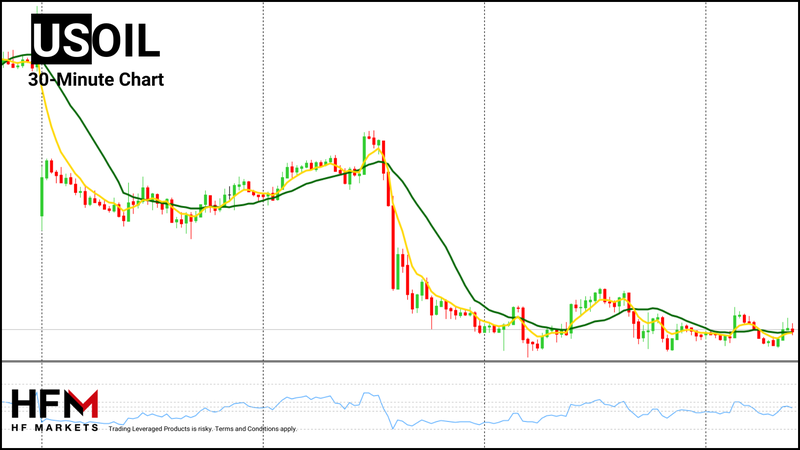
Currently, the price of Crude Oil is struggling to cross below the support level of $74.40. Over the past 24 hours three attempts have been seen. However, the price action will largely depend on the US and Iranian negotiations. If the price breaks below the support level, technical analysts will maintain a bearish bias, targeting the psychological $70.00 level next, followed by support at $68.00.

Image
HFM - Crude Oil 30-Minute Chart

Gold - Importance of Inflation

Gold prices saw a significant surge on Wednesday in response to lower oil prices, a weaker Dollar and hopes that this could lower inflation. However, this cannot yet be known, as demand and the employment sector remains resilient.

On Wednesday, three members of the Federal Reserve spoke to journalists about monetary policy. All three generally sounded hawkish and willing to hike interest rates.

Neel Kashkari, Minneapolis Fed President - ‘Now is the time to start slowly moving up as we get more data in.’
Lisa Cook, Fed Governor - ‘If I do not see signs of disinflation soon, I am willing to act.’
Mary Daly, San Francisco Fed President - ‘The answer there is be vigilant, to watch the inflation as it comes in, but be very prepared to take action.’
Tomorrow’s NFP data will trigger volatility for Gold and the US Dollar, however, the inflation rate next week will be more influential. Stronger NFP data and higher inflation are likely to weaken Gold, while weaker data could fuel a medium-term rise.

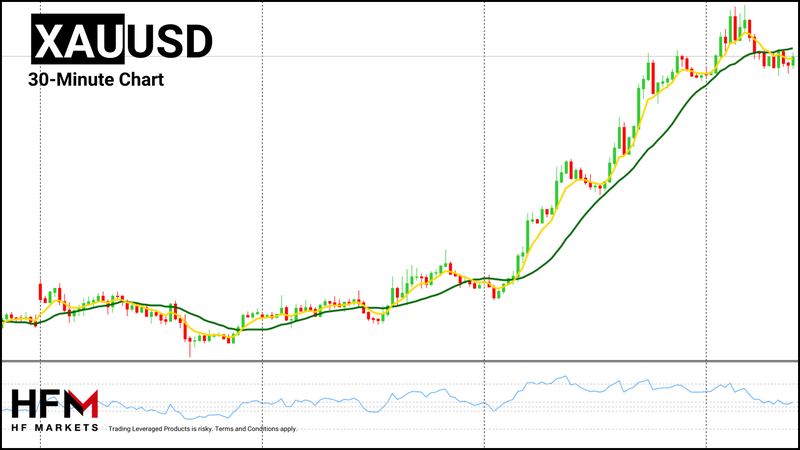
Gold’s technical outlook remains cautiously bullish in the short term. The price is trading above its 50-day moving average, and momentum indicators continue to strengthen. Immediate resistance is located around $4,300, and a break above this price could indicate a further rise. On the downside, traders may first target the $4,220–$4,200 support zone, followed by the more significant $4,157 level.

As long as gold remains above $4,160, bearish signals are avoided; however, a rejection from $4,300 and a break below this support would weaken the bullish structure.

Image
HFM - Gold 30-Minute Chart

Key Takeaway Points:

* Gold posted its strongest six-month rally as oil prices and the US Dollar declined.
* The temporary Oman-Iran agreement pushed crude oil towards $75, but the deal remains limited and uncertain.
* Oil may need to fall towards $66 and stay there to significantly reduce inflation pressure to the Fed’s target.
* Gold’s next major catalysts are the US jobs report and next week’s inflation data.
* Gold remains cautiously bullish above $4,160, with resistance near $4,300.
*

Always trade with strict risk management. Your capital is the single most important aspect of your trading business.

Please note that times displayed based on local time zone and are from time of writing this report.

Click HERE to access the full HFM Economic calendar.

Want to learn to trade and analyse the markets? Join our webinars and get analysis and trading ideas combined with better understanding of how markets work. Click HERE to register for FREE!

Click HERE to READ more Market news.

Michalis Efthymiou
HFMarkets


Disclaimer: This material is provided as a general marketing communication for information purposes only and does not constitute an independent investment research. Nothing in this communication contains, or should be considered as containing, an investment advice or an investment recommendation or a solicitation for the purpose of buying or selling of any financial instrument. All information provided is gathered from reputable sources and any information containing an indication of past performance is not a guarantee or reliable indicator of future performance. Users acknowledge that any investment in Leveraged Products is characterized by a certain degree of uncertainty and that any investment of this nature involves a high level of risk for which the users are solely responsible and liable. We assume no liability for any loss arising from any investment made based on the information provided in this communication. This communication must not be reproduced or further distributed without our prior written permission.
Re: Analyses de Marchés

Publié : 07 août 2026, 14:01
par HFblogNews
Date: 7th August 2026.

Oil and Gold Rise as Traders Await the US Jobs Report.

Image
Trading Leveraged products is Risky

Key Takeaways

* Brent crude rose 1.4% to around $83.65 as uncertainty surrounding the Strait of Hormuz kept supply risks elevated.
* Gold advanced to approximately $4,264, supported by geopolitical uncertainty ahead of the US jobs report.
* The US 10-year Treasury yield held near 4.68% as higher oil prices revived inflation concerns.
* Economists expect the US economy to have added 80,000 jobs in July, following 57,000 additions in June.
* The US Dollar strengthened, while the Japanese Yen surrendered almost half of its recent intervention-driven gains.
* Asian stocks were mixed as Chinese equities rose, but AI-linked semiconductor shares remained under pressure.

Oil prices Rise as Uncertainty over the Strait of Hormuz Continues

Image

Global markets entered Friday focused on two major risks: developments in the Strait of Hormuz and the release of the July US nonfarm payrolls report.

Brent crude gained approximately 1.4% to $83.65 per barrel after hopes for a lasting agreement to reopen the strategic waterway weakened. Iranian reports suggested that Tehran may seek to restrict US and Israeli vessels, despite signs that an Iran-Oman arrangement could be approaching its final stages.

Oil remained around 5% lower for the week after previously falling on optimism that the US and Iran would reach an agreement. This leaves prices highly sensitive to headlines. A credible deal could reduce the geopolitical premium, while further restrictions or attacks could quickly push supply concerns back into focus.

The move matters beyond the energy market. Persistently high oil prices can raise transport and production costs, reinforce inflation, and make it harder for the Federal Reserve to lower interest rates. That prospect contributed to weakness in government bonds, with the US 10-year Treasury yield holding near 4.68%.

Copper Rises on Supply Concerns and Strong Chinese Trade

Copper prices moved higher after the Democratic Republic of Congo introduced an immediate ban on copper and cobalt concentrate exports. The decision raised concerns about global supply, briefly pushing London copper prices approximately 1.8% higher.

Sentiment was also supported by strong Chinese trade data. China’s exports increased 23.9% year-on-year in July, while imports rose 27.5%, signalling resilient activity in the world’s largest copper-consuming economy. Traders should monitor whether supply restrictions and Chinese demand can keep copper near its recent record level.

Image

Gold Advances, but Higher Yields May Limit Gains

Gold extended its recovery, with spot XAU/USD rising to around $4,264 an ounce. Silver also moved higher to approximately $62.26, while platinum reached around $1,740.

Geopolitical uncertainty supported demand for precious metals, while Chinese gold-backed exchange-traded funds recorded a fourteenth consecutive session of inflows.

However, gold faces competing forces. Middle East tensions can increase safe-haven demand, but higher oil prices may also lift inflation expectations, Treasury yields, and the US Dollar. Rising yields increase the opportunity cost of holding non-yielding gold and could restrict its upside.

The late-June low near $3,942 remains an important technical reference. On the upside, the 200-day moving average near $4,489 represents a major test. A sustained break above it could strengthen the recovery, while a rejection from that area may signal that momentum is fading.

Image

US Nonfarm Payrolls could Reshape Fed Expectations

The July US employment report is the day’s main scheduled event. Economists expect employers to have added 80,000 jobs, compared with a weaker-than-expected increase of 57,000 in June.

Recent data have shown continued resilience. Initial jobless claims remained below 200,000 for a third consecutive week, while second-quarter productivity exceeded expectations. At the same time, higher energy prices have kept inflation, and the possibility of tighter Federal Reserve policy, at the centre of the market outlook.

Traders should assess more than the headline payroll figure. Wage growth, unemployment, labour force participation, and revisions to previous months may determine whether the initial market reaction lasts.

Three NFP Scenarios for Traders

Stronger than expected: A result clearly above 80,000, particularly alongside firm wage growth or lower unemployment, could lift Treasury yields and the US Dollar. Gold, bonds, and rate-sensitive technology shares may face pressure.

Weaker than expected: A soft figure could revive concerns about an economic slowdown and support Treasuries. Lower yields may weaken the Dollar and help gold, although equities could react negatively if the data point to a sharper deterioration in employment.

Mixed report: A weak headline combined with strong wages, or a strong headline alongside higher unemployment, could produce volatile, short-lived moves. In this case, revisions and wage data may matter more than the initial number.

US Dollar Strengthens as the Yen Loses Momentum

The US Dollar strengthened against most major currencies as Treasury yields rose and geopolitical uncertainty supported defensive demand. The US Dollar Index traded close to 100 after recovering from seven-month lows.

USD/JPY traded near 158.35 after falling as low as 155.23 earlier in the week. The Yen has now surrendered almost half of the gains generated by the first coordinated US-Japan intervention since 1998.

The reversal shows that intervention can disrupt a currency trend without necessarily changing the interest rate forces behind it. The 155 area remains a key reference from the intervention move, while the late-July region near 164 may attract renewed attention to the risk of further official action.

Asian Markets Remain Divided over the AI Trade

Asian equities were mixed. China’s CSI 300 rose approximately 1% and the Shanghai Composite gained around 0.8% after the country reported a larger-than-expected July trade surplus. Exports increased 24% year over year, while imports rose 28%.

Technology shares in South Korea and Japan remained under pressure as investors questioned whether elevated AI valuations could be justified by near-term earnings. South Korea’s KOSPI fell around 0.8%, with SK Hynix losing more than 4%. Japan’s Nikkei 225 declined approximately 0.3%, while Fujifilm plunged after announcing that it was considering a partial spin-off of its imaging business.

Despite the recent AI-related sell-off, capital-raising activity remains strong. Asia-Pacific companies raised more than $83 billion through initial public offerings, placements, and block trades in July, indicating that corporate confidence remains high even as investors become more selective.

What Traders Should Watch Today

The US jobs report may generate the day’s largest scheduled move, but its effect will depend on oil prices and inflation expectations. The most important cross-market relationships are:

* Rising oil may lift inflation expectations, bond yields, and the US Dollar.
* Higher yields could limit gold’s safe-haven gains.
* A strong jobs report may pressure highly valued technology and AI shares.
* Renewed Yen weakness may increase the risk of further currency intervention.
* A credible Hormuz agreement could reverse part of oil’s geopolitical premium.

With major economic data and geopolitical headlines arriving together, volatility may remain elevated across commodities, currencies, bonds, and stock indices. Traders should review the full employment report, prepare for wider spreads, and apply disciplined risk management around the release.

Always trade with strict risk management. Your capital is the single most important aspect of your trading business.

Please note that times displayed based on local time zone and are from time of writing this report.

Click HERE to access the full HFM Economic calendar.

Want to learn to trade and analyse the markets? Join our webinars and get analysis and trading ideas combined with better understanding of how markets work. Click HERE to register for FREE!

Click HERE to READ more Market news.

Andria Pichidi
HFMarkets


Disclaimer: This material is provided as a general marketing communication for information purposes only and does not constitute an independent investment research. Nothing in this communication contains, or should be considered as containing, an investment advice or an investment recommendation or a solicitation for the purpose of buying or selling of any financial instrument. All information provided is gathered from reputable sources and any information containing an indication of past performance is not a guarantee or reliable indicator of future performance. Users acknowledge that any investment in Leveraged Products is characterized by a certain degree of uncertainty and that any investment of this nature involves a high level of risk for which the users are solely responsible and liable. We assume no liability for any loss arising from any investment made based on the information provided in this communication. This communication must not be reproduced or further distributed without our prior written permission.
Re: Analyses de Marchés

Publié : 10 août 2026, 11:21
par HFblogNews
Date: 10th August 2026.

Weak NFP Hits the Dollar and Supports Gold as Markets Turn to US Inflation.

Image
Trading Leveraged products is Risky

The US NFP release comes in as a surprise, pushing the US Dollar significantly lower. Due to the end of the World Cup, economists were expecting the employment data to come in weaker than expected. However, the US NFP change fell by 80,000, significantly lower than predictions. For this reason, expectations of interest rate hikes in September fell.

In response to the NFP release, the stock market found further support, as did Gold. However, the US Dollar Index fell close to a two-month low. According to the Bank of America, NFP is triggering volatility, but the upcoming inflation release will be more significant and could trigger longer-lasting trends.

Non-Farm Payrolls - Weak NFP Shocks Markets

The average NFP change over the past six months is 86,000, and most economists were expecting the latest release to be 75,000. However, many institutions and fund managers were expecting a figure as low as 50,000 due to the end of the World Cup. The official NFP figures fell by 23,000, marking the first time in five months that the US employment change has fallen.

Average hourly earnings increased by only $0.02 to $37.62, equivalent to roughly 0.1% month-on-month, while annual wage growth slowed to 3.2%. This is important for the Fed because weaker wage growth reduces one source of inflationary pressure.

The fall in unemployment from 4.2% to 4.1% looks positive at first. However, the overall figure confirms this does not necessarily confirm a strengthening labour market. This is because of the weak NFP figure and the decline in the labour force participation rate.

For this reason, the employment data does not support an interest rate hike despite the Federal Reserve chairman’s wish to hike. Consequently, the Consumer Price Index (inflation rate) on Wednesday will be vital for market pricing.

Consumer Price Index - Inflation to Determine the Next Trend?

The July US Consumer Price Index (CPI) report will be released on Wednesday, 12 August at 8:30 a.m. ET. The release will be the most important announcement for the Federal Reserve after Friday’s unexpectedly weak employment report.

Investors and economists are expecting the inflation rate to fall from 3.5% to 3.4% and core inflation to fall to 2.5%. If inflation falls below 3.4%, expectations for a September rate hike would likely decline sharply. Such an outcome could trigger significant market volatility as traders rapidly reprice interest rate expectations across currencies, equities, bonds, and Gold.

Over the past week, the possibility of a rate adjustment in September fell from 67% to 44%. If the inflation rate falls, the chances of a rate hike will likely fall below 30%. As a result, the US Dollar is likely to fall, while Gold and stocks find support. Bank of America has also advised that it is increasing its target for the S&P 500 to 8,000 due to higher earnings and AI.

Gold - Finds Support from a Potential Pause and a Weaker Dollar

Gold is showing strong bullish momentum, outperforming the US Dollar and experiencing higher volatility in line with its inverse correlation. Trend-based indications are also supporting a bullish bias, with the price trading above the VWAP, above its previous highs, and with clear bullish crossovers.

Image
HFM - Gold 2-Hour Chart

In terms of technical analysis, the price is only witnessing a bearish indication from divergence on oscillators. Divergence can be seen mainly on the RSI on multiple timeframes. The divergence signal may indicate a retracement or change in the trend. However, this will need to have a clear price driver. For example, if inflation remains at 3.5%, Gold again may come under pressure in the short term.

If the price declines and comes under pressure from CPI, a possible target remains the $4,222.00 level. This level is a support area based on price action and in line with the 75-bar exponential moving average. This would also be a similar price movement to previous impulse waves. Upward price movement, on the other hand, sees a clear resistance level at $4,382.00. If the bullish price movement experiences stronger momentum, a potential target may be $4,570.00, which is the average price of 2026 so far.

Key Takeaways:

* US NFP surprised sharply to the downside, with payrolls falling by 23,000 and wage growth slowing. The unemployment rate improved slightly falling from 4.2% to 4.1%.
* Rate-hike expectations dropped significantly, helping support Gold and equities while pushing the US Dollar Index towards a two-month low.
* Wednesday’s CPI release is now the key market catalyst, with inflation expected to ease from 3.5% to 3.4% and core inflation to 2.5%.
* A softer CPI reading could push September hike expectations even lower. A lower inflation rate will likely pressure the US Dollar while supporting Gold and stock markets.
* Gold remains technically bullish, with resistance around $4,382 and $4,570, while $4,222 stands out as an important downside support level.

Always trade with strict risk management. Your capital is the single most important aspect of your trading business.

Please note that times displayed based on local time zone and are from time of writing this report.

Click HERE to access the full HFM Economic calendar.

Want to learn to trade and analyse the markets? Join our webinars and get analysis and trading ideas combined with better understanding of how markets work. Click HERE to register for FREE!

Click HERE to READ more Market news.

Michalis Efthymiou
HFMarkets


Disclaimer: This material is provided as a general marketing communication for information purposes only and does not constitute an independent investment research. Nothing in this communication contains, or should be considered as containing, an investment advice or an investment recommendation or a solicitation for the purpose of buying or selling of any financial instrument. All information provided is gathered from reputable sources and any information containing an indication of past performance is not a guarantee or reliable indicator of future performance. Users acknowledge that any investment in Leveraged Products is characterized by a certain degree of uncertainty and that any investment of this nature involves a high level of risk for which the users are solely responsible and liable. We assume no liability for any loss arising from any investment made based on the information provided in this communication. This communication must not be reproduced or further distributed without our prior written permission.
Re: Analyses de Marchés

Publié : 11 août 2026, 10:49
par HFblogNews
Date: 11th August 2026.

Gold Loses Momentum Ahead of US CPI Release!

Image
Trading Leveraged products is Risky

Gold rises to its highest price since 5 June as higher oil prices reduce demand for non-yielding assets. Investors continue attempting to determine if the Federal Reserve will hike interest rates in September. Market pricing is now focused on the Consumer Price Index tomorrow afternoon and the US bond sale later in the year.

Bond yields can apply excessive pressure on Gold due to the metal being a non-yielding asset. The 10-year Treasury yield is trading 17 basis points higher on Tuesday and are close to breaking 2026 highs. The higher yields rise, the more likely demand for Gold is to fall from investors.

President Trump and Higher Oil Prices

Oil prices have now risen for two consecutive days and continue to rise during this morning’s Asian session. Crude oil prices are now trading at their August high and are applying pressure on investor sentiment ahead of the upcoming inflation release (CPI).

Iran is demanding major US concessions before fully reopening the Strait of Hormuz, including an end to sanctions and the blockade of Iranian ports, the release of frozen assets, and compensation for war damage. This is something the US will, without a doubt, refuse. In response, the US president also added similar requests, which were not previously made.

Donald Trump told journalists that he requires Iran to pay compensation for people killed and wounded by Iranian actions, and for damages and deaths in Lebanon and Gaza. Due to this, the possibility of a deal and the reopening of the strait remains dim. This is the key reason for oil prices rising and almost forming a full bullish correction.

Higher oil prices are a particular issue due to the timing. The market had been pricing in a prolonged pause due to weak employment data and expectations that inflation will fall. However, if oil continues to increase over the next 24 hours, even if inflation does fall, the effect will not be the same.

Crude Oil - Technical Analysis

From a technical perspective, Crude Oil remains bullish in the short term following the strong rebound above the $80.00 level. Holding above $80 would keep buyers in control, according to indicators, with $84.00 and $85.00 acting as the next potential targets. A break back below $80.00 could bring bearish signals back into focus. However, overall, momentum remains positive, but volatility is likely to depend on geopolitical developments that continue to drive the price.

Image
HFM - Crude Oil 15-Minute Chart

Gold - Oil Prices Dim Hopes of Fed Cut Ahead of Key Inflation Report

Gold is actively declining for three reasons. The first is that the price is trading relatively high in comparison to recent price ranges. Due to this, investors are opting to cash in profits ahead of the CPI announcement. Investors also note that the market is experiencing a slightly risk-off appetite, also meaning investors are not looking to risk trading in the wrong direction. In addition to this, higher bond yields and a US Dollar recovery are pressuring Gold. The US Dollar has now almost fully recovered after Friday’s sharp decline.

However, the key drivers are higher oil prices and tomorrow’s Consumer Price Index (CPI). The main consensus is that inflation will slightly fall from 3.5% to 3.4%. The decline is a positive for Gold, but investors continue to note that the rate of inflation remains considerably elevated. The inflation rate falling to 3.4% would be a positive sign if oil prices were also decreasing. However, due to oil prices rising again, investors would be looking for a stronger decline in order to support Gold prices.

If inflation declines to 3.2-3.3%, Gold may remain in bullish momentum and aim for the next key psychological price at $4,500. However, if oil keeps rising and inflation stays high, Gold could come under pressure again, as seen throughout 2026.

Image
HFM - Gold 15-Minute Chart

Key Takeaways:

* Gold is under pressure from higher bond yields, a stronger US Dollar, and profit-taking ahead of CPI.
* Oil prices remain bullish as US-Iran tensions reduce hopes of reopening the Strait of Hormuz.
* Tomorrow’s CPI is crucial for expectations around a potential September Fed rate move.
* A softer CPI near 3.2-3.3% could support Gold, while sticky inflation and rising oil could trigger further downside.

Always trade with strict risk management. Your capital is the single most important aspect of your trading business.

Please note that times displayed based on local time zone and are from time of writing this report.

Click HERE to access the full HFM Economic calendar.

Want to learn to trade and analyse the markets? Join our webinars and get analysis and trading ideas combined with better understanding of how markets work. Click HERE to register for FREE!

Click HERE to READ more Market news.

Michalis Efthymiou
HFMarkets


Disclaimer: This material is provided as a general marketing communication for information purposes only and does not constitute an independent investment research. Nothing in this communication contains, or should be considered as containing, an investment advice or an investment recommendation or a solicitation for the purpose of buying or selling of any financial instrument. All information provided is gathered from reputable sources and any information containing an indication of past performance is not a guarantee or reliable indicator of future performance. Users acknowledge that any investment in Leveraged Products is characterized by a certain degree of uncertainty and that any investment of this nature involves a high level of risk for which the users are solely responsible and liable. We assume no liability for any loss arising from any investment made based on the information provided in this communication. This communication must not be reproduced or further distributed without our prior written permission.
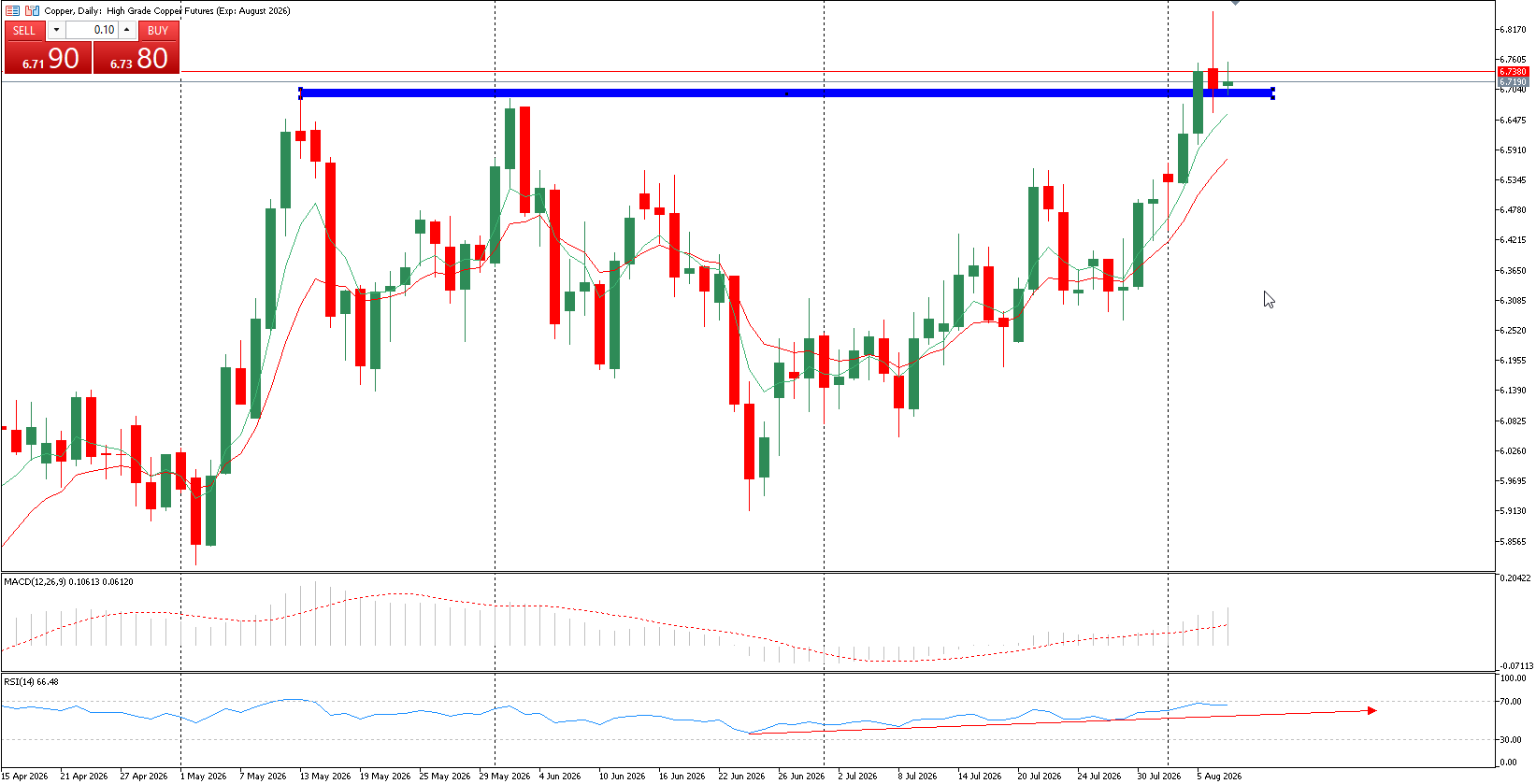
Re: Analyses de Marchés

Publié : 12 août 2026, 10:44
par HFblogNews
Date: 12th August 2026.

CPI in Focus: What Investors Need to Know Ahead of the Inflation Release.

Image
Trading Leveraged products is Risky

Gold, oil, and the stock market are experiencing up-and-down swings, but the US Dollar remains in a steady correction. The price of the US Dollar Index has now fully corrected back to its pre-NFP price. Is this an indication as to what investors are expecting from the upcoming inflation release?

Oil Prices Remain Stubbornly High

Investors are evaluating new information regarding discussions between Iran and Oman. Oman is acting as a mediator in talks with the US over control of the Strait of Hormuz. The aim is to open the waterway for shipping, particularly oil exports. Kuwait, Oman, and Pakistan are advising that a deal is close. However, this cannot be seen in the price movement.

This is due to reports that both sides are hardening their stance. Both sides are now advising that they are looking for compensation and the removal of sanctions. This is almost certainly not something the parties will agree to. In addition, the White House advised that the president did not travel on Air Force One during his visit to Turkey because of concerns about a possible assassination attempt by Iran. For this reason, investors do not expect shipping to return to normal any time soon.

Image
HFM - Crude Oil 30-Minute Chart

Consumer Price Index - All Eyes on Inflation

Markets are expecting the Consumer Price Index to rise by 0.1% meaning that the US inflation rate will fall from 3.5% to 3.4%. Investors are hoping that inflation falls more than expected, due to the hawkish nature of the Federal Reserve chairman. Inflation in the US has now been above its target for five consecutive years. This can risk normalising higher inflation, which can significantly damage economic stability.

For this reason, if inflation does not decline the price of Gold and the stock market could come under pressure. At the same time, this could prompt the US Dollar Index to rise above 100.00 again. However, if the inflation rate falls by more than 0.1%, investors may price in a pause for September due to July’s weak NFP data. Certainly, the upcoming CPI release could play a significant role in determining the market’s near-term direction.

Gold Trades Sideways But A Strong Dollar Worries Investors

Gold is witnessing range-bound trading conditions, meaning no major trend. This reason for this is that investors are waiting for the CPI release before making any major amendments to portfolios. However, in the ultra-short-term the price of the metal is trading higher but not above yesterday’s high. At the same time, the US Dollar is also trading higher meaning investors should be cautious of bullish impulse waves unless the Dollar retraces.

Currently, the resistance level for Gold can be seen at $4,436, which would be a possible first target for Gold if CPI reads weak. A medium-term target would be the $4,500 psychological level. However, in order for Gold to rise to this level, inflation must convince traders that there will be no interest rate adjustments any time soon. In contrast, the key support level can be seen at $4,097-$4,100.

Image
HFM - Gold 30-Minute Chart

USD/JPY - Only Two Rate Hikes Can Save the Yen?

In the short term, USD/JPY retains a cautiously bullish bias, with recent price action showing attempts to recover after the sharp intervention-driven decline. However, upside momentum appears constrained near the 160.60-160.65 area. Whether this price will be broken will depend on today’s inflation rate. Currently, the best-performing currencies of the day are the US Dollar and the Pound. The worst-performing are the Japanese Yen, and New Zealand Dollar.

According to analysts, the Japanese Yen is unlikely to see any significant improvement unless the Bank of Japan hikes interest rates twice in 2026. A single rate hike is unlikely to provide sufficient support for a sustained recovery. The current consensus is that the Bank will hike on one occasion, but this would not be enough to support a stronger rebound.

NASDAQ - CPI and Earnings Key for the NASDAQ

The tech-story is improving and the NASDAQ is trading close to its monthly highs. However, interest rates and inflation can derail the trend or boost it further. The performance of the NASDAQ over the next 24-hours will depend on the CPI release, Cisco earnings and tomorrow’s producer inflation. In the longer term, NVIDIA’s earnings on 26 August will also play a key role.

Key Takeaways:

* CPI could set the tone for markets, influencing rate expectations and the US Dollar.
* Oil prices remain elevated as uncertainty around the Strait of Hormuz continues.
* Gold is trading sideways, with the CPI release likely to determine its next major move.
* USD/JPY and the NASDAQ remain in focus, with inflation and interest rate expectations driving near-term direction.

Always trade with strict risk management. Your capital is the single most important aspect of your trading business.

Please note that times displayed based on local time zone and are from time of writing this report.

Click HERE to access the full HFM Economic calendar.

Want to learn to trade and analyse the markets? Join our webinars and get analysis and trading ideas combined with better understanding of how markets work. Click HERE to register for FREE!

Click HERE to READ more Market news.

Michalis Efthymiou
HFMarkets


Disclaimer: This material is provided as a general marketing communication for information purposes only and does not constitute an independent investment research. Nothing in this communication contains, or should be considered as containing, an investment advice or an investment recommendation or a solicitation for the purpose of buying or selling of any financial instrument. All information provided is gathered from reputable sources and any information containing an indication of past performance is not a guarantee or reliable indicator of future performance. Users acknowledge that any investment in Leveraged Products is characterized by a certain degree of uncertainty and that any investment of this nature involves a high level of risk for which the users are solely responsible and liable. We assume no liability for any loss arising from any investment made based on the information provided in this communication. This communication must not be reproduced or further distributed without our prior written permission.
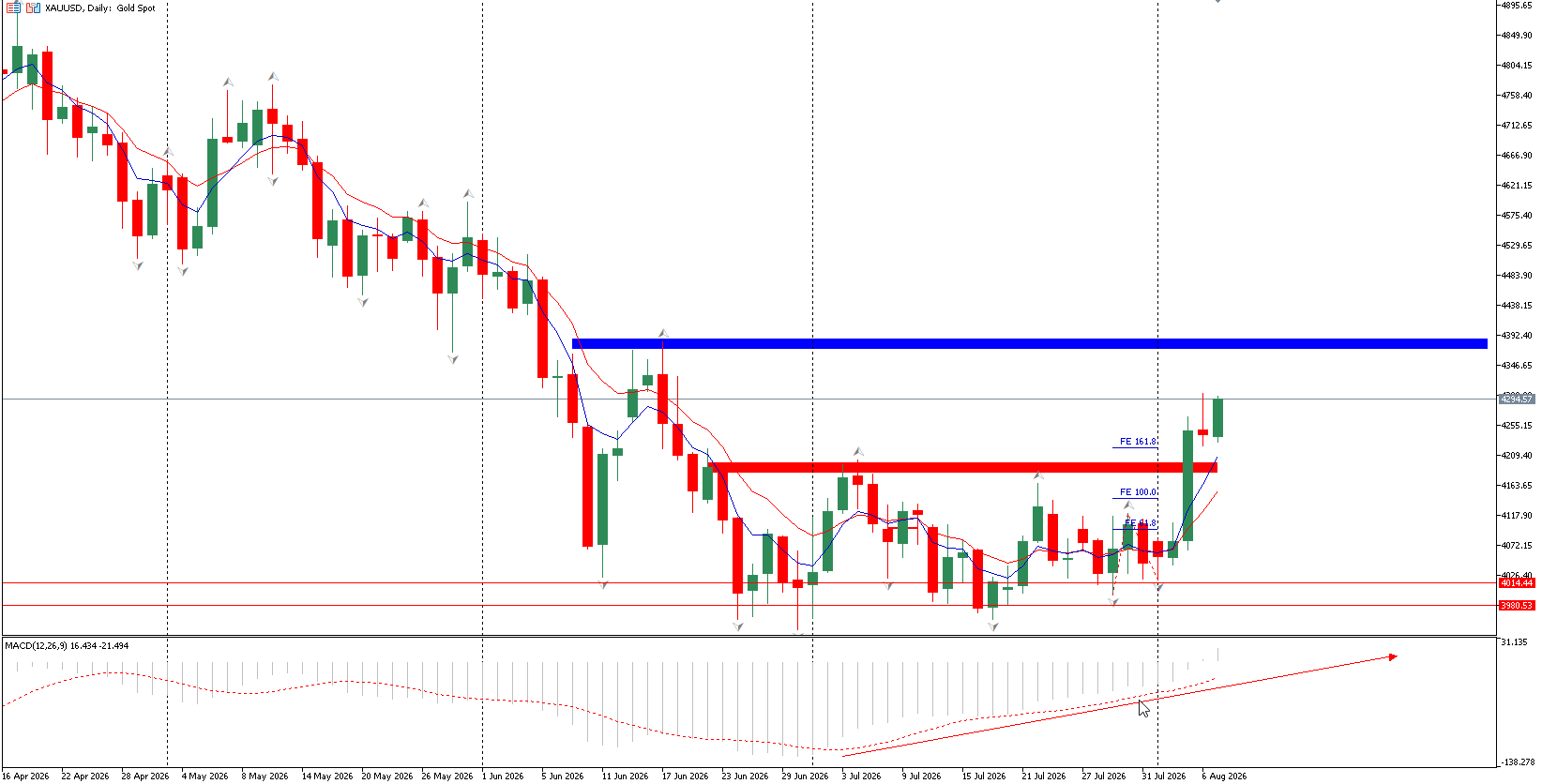
Re: Analyses de Marchés

Publié : 13 août 2026, 13:04
par HFblogNews
Date: 13th August 2026.

US Inflation Falls to 3.4% as Dollar Strengthens and Gold Struggles.

Image
Trading Leveraged products is Risky

US inflation fell from 3.5% to 3.4% in line with analysts’ expectations. The decline at first had a positive impact on Gold and the stock market, but they could not maintain momentum. Even though the decline remains a positive factor for the economy, 3.4% is still seen as a considerably high inflation rate and a weak decline.

The stock market and metals experienced volatile trading as buyers and sellers competed for control. However, the US Dollar is emerging as the clear winner as the currency rises to a two-week high. With inflation falling by only 0.1% and oil prices remaining above $83 per barrel, demand for the Dollar remains strong.

Currently, the Japanese Yen is the best-performing currency due to a change in stance from the Japanese administration. However, the US Dollar is firmly the second-best-performing currency of the day, and the US Dollar Index is only 0.07% away from reaching 100.00.

Gold Struggles for Momentum Despite Lower September Rate-Hike Expectations

Due to the inflation rate decline and weak employment data, the possibility of a September rate hike has fallen to 34%. This is considerably lower than in previous weeks. However, the possibility of a rate hike later in the year has not faded. This, along with geopolitical tensions, is resulting in the US Dollar increasing in value and applying further pressure on metals.

According to President Trump, the US is changing its tactics to bring Iran to the negotiation table. The US will now increase economic pressure on Iran rather than take military action. The renewed focus on economic measures highlights the ongoing uncertainty surrounding Iran’s position and is also supporting the Dollar. This could continue to influence oil prices, shipping activity, and broader market sentiment.

Gold is trading downwards on Thursday after rising to a new two-month high. The price has fallen to form a bearish breakout but has not yet fully formed a trend formation. On smaller timeframes, the price is trading below key moving averages, which indicates downward price movement. However, on larger timeframes, the price remains at a neutral level.

The US Dollar Index is trading close to the psychological price of 100.00. If the Dollar rises above this level, Gold may struggle to regain bullish momentum. The key support level for Gold can be seen at $4,359.55. Traders will monitor whether the price rebounds off this level. If the price breaks below this level, bearish signals may potentially strengthen.

Image
HFM - Gold 20-Minutes

USDJPY - Japan’s Government Supports Faster Rate Hikes Due to Currency Weakness

The best-performing currency of the day is the Japanese Yen, as investors price in the change in tone from the Japanese government. In terms of the USDJPY price pattern, the price is forming an ascending triangle pattern, indicating that it is not able to maintain bearish momentum. However, the pattern does not indicate a clear rise either.

Japan’s government is reportedly supportive of an earlier Bank of Japan rate hike, potentially as soon as September or October, as policymakers seek to address persistent inflation and weakness in the Japanese Yen.

The shift in government support adds pressure on the BOJ to accelerate monetary policy normalisation, particularly as recent data showed Japanese wholesale inflation remaining elevated, with producer prices rising 7.2% year-on-year in July.

For financial markets, an earlier rate hike could provide meaningful support to the Yen and increase pressure on USDJPY, particularly given the recent focus on currency intervention. Investors are now likely to pay close attention to upcoming BOJ communication.

Analysts continue to advise that if the Bank of Japan is looking to hike only once in 2026, this may not be enough to support the Yen. According to analysts, the BOJ must hike on two occasions to avoid being a victim of the carry trade. For this reason, as mentioned above, the upcoming BOJ communication will be vital for the Yen.

Image
HFM - USDJPY 20-Minute Chart

Key Takeaways:

* US inflation fell to 3.4% as expected. However, the modest decline has done little to ease concerns over persistently high inflation.
* The US Dollar is emerging as the clear winner due to geopolitical tensions. The currency is reaching a two-week high as strong demand continues to pressure Gold and other metals.
* Gold is struggling to maintain momentum, with $4,359.55 acting as a key support level. The Dollar Index * is approaching the psychological 100.00 level, which may further pressure Gold.
The Japanese Yen is strengthening on expectations of faster rate hikes due to a supportive tone from the Japanese government.

Always trade with strict risk management. Your capital is the single most important aspect of your trading business.

Please note that times displayed based on local time zone and are from time of writing this report.

Click HERE to access the full HFM Economic calendar.

Want to learn to trade and analyse the markets? Join our webinars and get analysis and trading ideas combined with better understanding of how markets work. Click HERE to register for FREE!

Click HERE to READ more Market news.

Michalis Efthymiou
HFMarkets


Disclaimer: This material is provided as a general marketing communication for information purposes only and does not constitute an independent investment research. Nothing in this communication contains, or should be considered as containing, an investment advice or an investment recommendation or a solicitation for the purpose of buying or selling of any financial instrument. All information provided is gathered from reputable sources and any information containing an indication of past performance is not a guarantee or reliable indicator of future performance. Users acknowledge that any investment in Leveraged Products is characterized by a certain degree of uncertainty and that any investment of this nature involves a high level of risk for which the users are solely responsible and liable. We assume no liability for any loss arising from any investment made based on the information provided in this communication. This communication must not be reproduced or further distributed without our prior written permission.
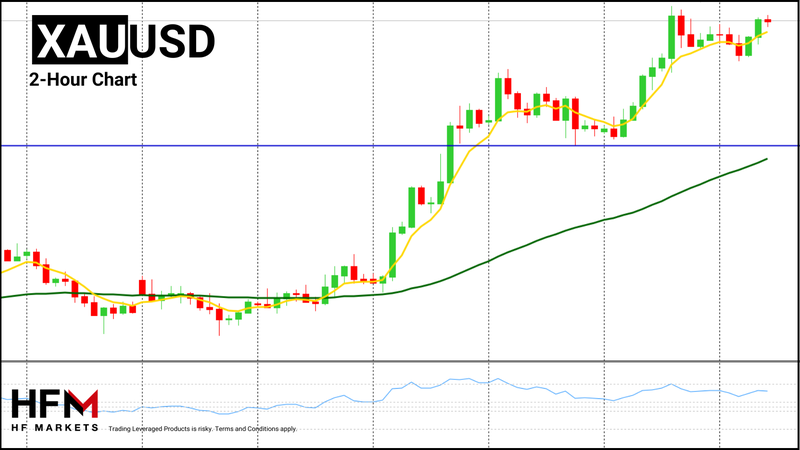
Re: Analyses de Marchés

Publié : 14 août 2026, 12:47
par HFblogNews
Date: 14th August 2026.

PPI Boosts Market Sentiment, Pushing Stocks Higher.

Image
Trading Leveraged products is Risky

The latest inflation data from Wednesday saw the possibility of an interest rate hike fall slightly. However, an even more positive development for the stock market is the latest producer price index. The first reaction to the release of the Producer Price Index was minimal, but volatility soon kicked in as the US session opened.

The Producer Price Index did not rise at all in July, whereas analysts were expecting a moderate rise of 0.2%. As a result, producer inflation fell from 5.5% to 4.7%, significantly lower than market expectations. The PPI YoY continues to read higher than the Federal Reserve’s target but has now seen three consecutive months of declines. In addition to this, the Core Producer Price Index rose 0.2%, lower than the 0.3% consensus.

The lower producer inflation, along with the decline in oil prices is supportive of the global stock market. Crude oil prices have fallen more than 2% over the past 24 hours and any further decline could indicate a prolonged pause by the Federal Reserve. The possibility of an interest rate hike in September continues to fall, from 40% on Wednesday to 32% this morning.

As a result, sentiment towards the stock market could rise further. However, analysts continue to advise that up-and-down volatility in the medium to longer term is likely to continue due to the AI trend, high earnings, and fear over AI-spending.

Cisco and Applied Materials Earnings Report

Cisco, which made its quarterly earnings report public on Wednesday, is the 15th most influential stock in the NASDAQ. Applied Materials Inc. is the 16th most influential and together they make up 2.10% of the NASDAQ.

Cisco’s latest earnings report was strong, with fourth-quarter revenue rising 18% year-on- year to $17.3 billion, beating the high end of its guidance, while non-GAAP EPS increased 23% to $1.22. Cisco also reported a 35% increase in total product orders, with networking orders up 40%. Looking ahead, the company expects $72.2–$73.4 billion in revenue, suggesting continued growth. However, due to AI spending and the slightly lower gross margin are triggering a sell-off for the time being.

Applied Material stock has fallen 5% after the company announced its quarterly report, weakening the bullish momentum of the NASDAQ. Applied Material Inc. is experiencing a similar reaction to most stocks within this earnings season. The company saw both earnings and revenue beat expectations, but the stock declines suggest that the results were simply not high enough.

PPI Report Boost The NASDAQ

The NASDAQ rose more than 1.30% in response to the Producer Price Index reading considerably lower than expectations. The inflation rate decline did little to change analysts’ views on upcoming interest rate decisions. However, Thursday’s PPI report was seen as particularly positive for the stock market.

The price of the NASDAQ is now trading above key moving averages on most timeframes and is yet to become overbought. In addition to this, the VIX continues to trade lower, indicating strong investor sentiment for now. However, the price this morning is trading slightly below the VWAP. Therefore, buy signals will strengthen once bullish momentum is regained.

Lastly, 76% of the NASDAQ’s most influential companies rose on Thursday, providing a further bullish indication from component analysis.

Image
HFM - NASDAQ 30-Minute Chart

Key Takeaways:

* Inflation is cooling: July PPI was flat, lowering September Fed hike odds from 40% to 32%, which is bullish for stocks.
* Earnings are strong, but expectations are higher: Cisco and Applied Materials beat estimates, yet both sold off as investors demanded more.
* NASDAQ remains bullish: It jumped 1.3%+, trades above key moving averages, and remains below overbought levels.
* Momentum needs confirmation: The VIX is falling, but NASDAQ is slightly below VWAP, so short-term volatility remains likely.

Always trade with strict risk management. Your capital is the single most important aspect of your trading business.

Please note that times displayed based on local time zone and are from time of writing this report.

Click HERE to access the full HFM Economic calendar.

Want to learn to trade and analyse the markets? Join our webinars and get analysis and trading ideas combined with better understanding of how markets work. Click HERE to register for FREE!

Click HERE to READ more Market news.

Michalis Efthymiou
HFMarkets


Disclaimer: This material is provided as a general marketing communication for information purposes only and does not constitute an independent investment research. Nothing in this communication contains, or should be considered as containing, an investment advice or an investment recommendation or a solicitation for the purpose of buying or selling of any financial instrument. All information provided is gathered from reputable sources and any information containing an indication of past performance is not a guarantee or reliable indicator of future performance. Users acknowledge that any investment in Leveraged Products is characterized by a certain degree of uncertainty and that any investment of this nature involves a high level of risk for which the users are solely responsible and liable. We assume no liability for any loss arising from any investment made based on the information provided in this communication. This communication must not be reproduced or further distributed without our prior written permission.
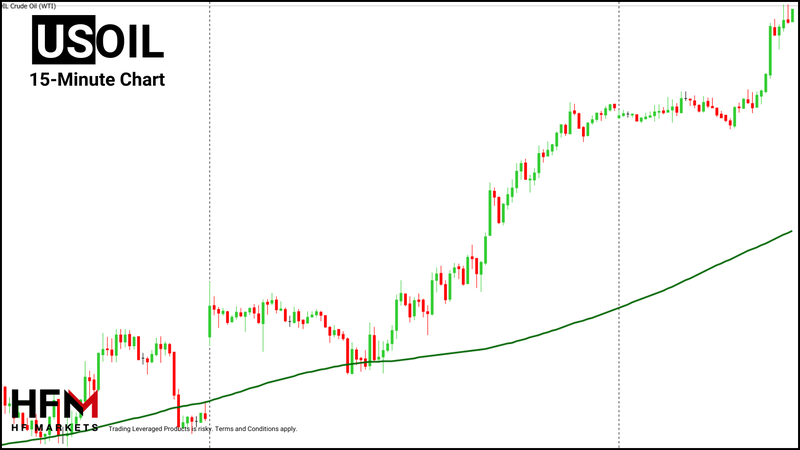
Re: Analyses de Marchés

Publié : 17 août 2026, 11:43
par HFblogNews
Date: 17th August 2026.

Weak Dollar Triggers New Trends, But What Risks Remain?

Image
Trading Leveraged products is Risky

The US Dollar declines for a second consecutive day reaching a key support level for the currency. Expectations that the Federal Reserve will pause for the upcoming months are driving the Dollar lower. At the same time, Gold and the stock market continue to gain bullish momentum and reach previous highs.

However, economists are paying close attention to bond yields, which continue to remain at a significant high and oil still trades above $80 per barrel. Over the weekend, Israel has attacked Iran’s proxy in Lebanon and Trump will soon announce the “economic plan” for Iran.

While oil prices remain above $80 and US bond yields remain high, the risk of a quick sudden decline is still elevated.

Image
Historic Oil Disruptions

US Dollar Weakens To Key Levels

The US Dollar is the worst-performing currency of the day despite higher oil prices and higher bond yields. The decline is driven by investors pricing in no rate hike in September or October. A prolonged pause has become likely for the upcoming 2 months due to a slightly weaker consumer inflation and considerably lower producer inflation.

However, investors should keep in mind that the Dollar index is trading at a key support level at 99.25. This level was tested on July 31st and August 7th. However, the price is not forming a descending triangle pattern but rather a range bound condition. This means that buyers continue to hold strength at times. On the other hand, as the asset continues to retest the support level, the level may weaken and prompt a breakout.

Even though the Dollar is trading clearly lower, investors should be cautious of high oil prices and bond yields which normally push the price higher.

The best performing currencies of the day so far are the Australian Dollar, New Zealand Dollar and Swiss Franc.

NASDAQ Rises But Risk Remain

The NASDAQ moved higher, but not at the same pace as the decline seen in July. A neutral Federal Reserve is driving the bullish impulse wave. However, the fact that the Dollar is declining but yields are rising indicates key concerns for stocks. Investors fear the huge government borrowing, that inflation will remain high for years and that hikes will return later in the year.

Analysts advise that the AI trend will remain bumpy and that traders should be cautious of the above triggering a sudden decline. The key resistance level stands at $30,750, but NVIDIA’s earnings towards the end of the month will also influence the long-term price movement.

This week, the main earnings report release will come from Walmart which is the 12th most influential stock for the NASDAQ. Walmart stocks rose 3.90% over the past week.

Gold Turns Bullish In The Short-term

The key factors for Gold are inflation and the Middle East. The US plans to hit Iran's economy hard, with President Donald Trump saying he doesn't care whether the conflict ends before the November US midterm elections. Scott Bessent also advises the move will hit Iran hard and will be the harshest ever seen. If the move keeps oil prices higher for longer, Gold may come under pressure again.

Image
HFM - Gold 30-Minute Chart

The 30-minute and 1-hour signals are currently both “Strong Buy” according to moving averages. Gold also broke above the previous $4,380 resistance, while remaining above its short-term EMA structure. If the price rises above $4,406.00, which is the level where the current impulse wave surpasses 65% of the previous retracement, bullish signals will strengthen.

For bullish signals to be valid, traders will also be monitoring whether the Dollar remains closer to 99.00. Bond yields will also need to avoid rebounding during the day.

Key Takeaways:

* The US Dollar falls for a second day as markets increasingly price in a Fed pause. The US Dollar Index is testing key support near 99.25.
* Gold and the NASDAQ remain bullish in the short-term, supported by a weaker Dollar and reduced expectations for rate hikes.
* High US bond yields and oil prices above $80 remain major risks and could trigger sudden reversals across markets.
* Middle East tensions and Trump’s upcoming economic measures against Iran could keep oil and inflation risks elevated.
* NVIDIA and Walmart earnings remain a key catalyst for the NASDAQ.

Always trade with strict risk management. Your capital is the single most important aspect of your trading business.

Please note that times displayed based on local time zone and are from time of writing this report.

Click HERE to access the full HFM Economic calendar.

Want to learn to trade and analyse the markets? Join our webinars and get analysis and trading ideas combined with better understanding of how markets work. Click HERE to register for FREE!

Click HERE to READ more Market news.

Michalis Efthymiou
HFMarkets


Disclaimer: This material is provided as a general marketing communication for information purposes only and does not constitute an independent investment research. Nothing in this communication contains, or should be considered as containing, an investment advice or an investment recommendation or a solicitation for the purpose of buying or selling of any financial instrument. All information provided is gathered from reputable sources and any information containing an indication of past performance is not a guarantee or reliable indicator of future performance. Users acknowledge that any investment in Leveraged Products is characterized by a certain degree of uncertainty and that any investment of this nature involves a high level of risk for which the users are solely responsible and liable. We assume no liability for any loss arising from any investment made based on the information provided in this communication. This communication must not be reproduced or further distributed without our prior written permission.
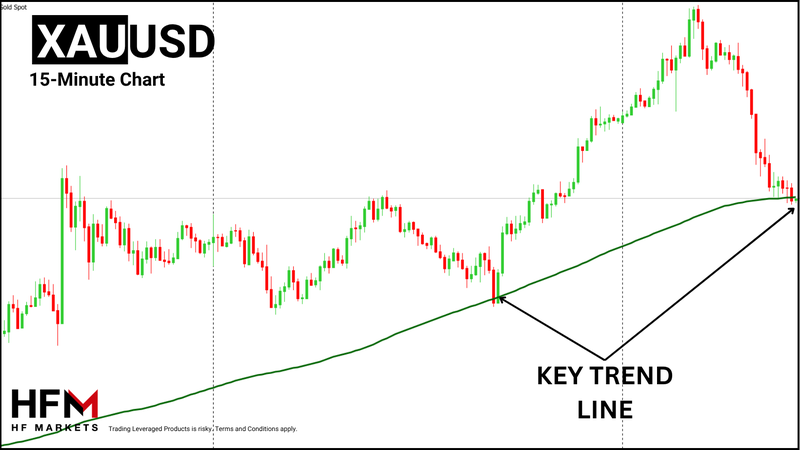
Re: Analyses de Marchés

Publié : 18 août 2026, 12:43
par HFblogNews
Date: 18th August 2026.

Bond Market Fears Intensify as Risk-Off Sentiment Takes Hold.

Image
Trading Leveraged products is Risky

As President Trump refuses to prolong the US-Iran extension, markets turn their attention to bond yields and oil prices. Prospects for peace in the Middle East remain limited, with the White House appearing to pause temporarily to replenish resources before potentially escalating tensions again.

Economists and analysts are anxious about the level of debt-to-GDP which looks to continue to grow. Country debt levels are on the rise globally as countries are spending considerably more on defence. At the same time higher inflation is eating into consumer spending. As a result, bond sales are slumping and yields are rising considerably.

Bond Yields Trigger Risk-Off Sentiment

Sovereign borrowing costs are rising sharply across major markets, with 30-year US Treasury yields, French government borrowing costs and German yields all climbing to elevated levels. Analysts and fund managers are increasing their exposure to short-term borrowing in order to avoid high interest rates.

The increase reflects broader global pressures, including geopolitical fragmentation, concerns over government spending and long-term shifts in market structure and demographics.

Higher bond yields are creating a risk-off sentiment due to investors fearing a debt-crisis and even an economic downturn. All global indices are trading lower while the VIX, Dollar and Oil prices rebound.

This will be a key issue for the US government and its fiscal policy. Some US firms are increasingly tapping overseas bond markets, with one example being Alphabet Inc.’s decision to market its debut Australian dollar debt issue of $3.6 billion.

Crude Oil Rises As The US Do Not Renew Its Current Ceasefire With Iran

Positive dynamics are supported by a decrease in the probability of a peace agreement between the US and Iran soon. The deal announced earlier in the month by US Treasury Secretary Scott Bessent never took place and instead, the parties demanded reparation payments from each other and intensified attacks on civilian tankers. As a result, a long blockade and an expansion of the energy crisis are expected.

President Trump has told his administration not to renew the ceasefire with Iran and has also warned Oman. As a result, oil prices are trading higher over the past 24 hours. Yesterday, the president said that the US still held leverage over Iran, pointing to the naval blockade of Iranian ports. He also repeated his proposal to declare the waterway US territory, arguing that Washington maintained full control over it.

This morning, Crude Oil prices rose above $85 for the first time in August. If oil prices remain elevated, inflation is likely to become sticky and increase the possibility of an interest rate hike in October. As a result, the US Dollar may continue to rebound and stocks to decline.

Image
HFM - Crude Oil 30-Minute Chart

NASDAQ Falls Over Key Economic and Fiscal Concerns

The NASDAQ is declining this morning and looks likely to form a third day of consecutive falls. The NASDAQ is coming under pressure from bond yields and oil prices which are triggering a lower market risk appetite. The VIX Index this morning is trading 1.50% higher and the Put to Call ratio is again on the rise. This is currently verifying the risk-off sentiment.

Investors fear that the cost of debt and higher debt-to-GDP adds an additional level of risk to the stock market. In addition to this, higher oil prices and lower employment data globally also points to risks from both the monetary policy and consumer demand.

If oil prices remain above $85 per barrel and bond yields do not subside, the NASDAQ remains at risk of further downside. Two key support levels can be seen at $29,139 and $29,435.

Image
HFM - NASDAQ 30-Minute Chart

In the short-term, the NASDAQ is trading below key Moving Averages and is forming lower lows and highs. This supports the bearish bias but the price has slightly retraced higher. For this reason, investors will be looking for the price to again decline below $29,750 in order to witness stronger sell indications from the price action and indicators.

If the NASDAQ is to rebound upwards, the resistance levels can be seen at $29,852 and $30,207.

Key Takeaways:

* US-Iran tensions remain elevated, with the US not extending the ceasefire and prospects for a near-term peace agreement appearing limited.
* Global bond yields are rising sharply as investors worry about growing government debt, higher defence spending, inflation and the risk of an economic slowdown.
* Crude oil has climbed above $85, raising concerns that inflation could remain persistent and increase the likelihood of tighter monetary policy.
* The NASDAQ remains under pressure as higher oil prices, rising bond yields and weaker risk appetite weigh on equities, keeping the short-term outlook bearish.

Always trade with strict risk management. Your capital is the single most important aspect of your trading business.

Please note that times displayed based on local time zone and are from time of writing this report.

Click HERE to access the full HFM Economic calendar.

Want to learn to trade and analyse the markets? Join our webinars and get analysis and trading ideas combined with better understanding of how markets work. Click HERE to register for FREE!

Click HERE to READ more Market news.

Michalis Efthymiou
HFMarkets


Disclaimer: This material is provided as a general marketing communication for information purposes only and does not constitute an independent investment research. Nothing in this communication contains, or should be considered as containing, an investment advice or an investment recommendation or a solicitation for the purpose of buying or selling of any financial instrument. All information provided is gathered from reputable sources and any information containing an indication of past performance is not a guarantee or reliable indicator of future performance. Users acknowledge that any investment in Leveraged Products is characterized by a certain degree of uncertainty and that any investment of this nature involves a high level of risk for which the users are solely responsible and liable. We assume no liability for any loss arising from any investment made based on the information provided in this communication. This communication must not be reproduced or further distributed without our prior written permission.
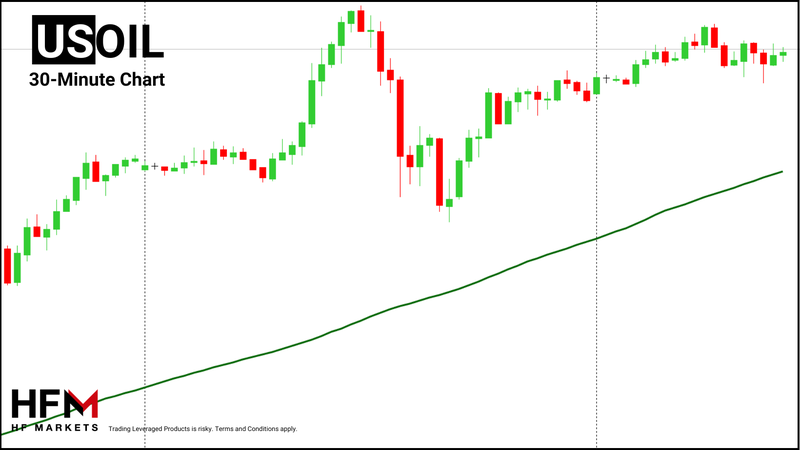
Re: Analyses de Marchés

Publié : 20 août 2026, 12:21
par HFblogNews
Date: 20th August 2026.

Historic US Intervention Sees Gold Spike More Than 4%.

Image
Trading Leveraged products is Risky

A historic day for the US and for global banking and finance. The US Dollar fell to its lowest point since the first half of May 2026 and Gold saw its largest increase in two months. The US Treasury, for the first time in decades, intervened in the bond market to purposely lower yields. In addition to this, Trump told journalists that the economic plan for Iran is starting soon.

The US Treasury is a regular buyer of US bonds, but not in the same way as the Fed and not to influence the market. The Treasury would normally purchase bonds in order to manage its debt maturity profile. However, the Treasury is seen as attempting to apply unconventional pressure to lower yields and reduce mortgage interest rates. This puts the government at odds with the Federal Reserve again.

Image
HFM - US Dollar 4-Hour Chart

Trump Economic Plan Keeps Oil Above $85

Trump has announced a new ‘economic warfare’ campaign against Iran, describing it as an ‘economic D-Day’ aimed at further isolating Tehran and forcing it to accept US demands. The plan will include sanctions, financial restrictions, and pressure on Iran’s oil trade.

Experts advise that this will include targeting not only Iranian entities but also foreign banks, shipping companies, and countries that help Iran bypass sanctions. As a result, crude oil prices remain above $85 per barrel for a third day.

US Treasury vs The Federal Reserve

The Federal Reserve traditionally oversees the condition of interest rates, bond yields, and economic stability. What investors do not want to see from the US Treasury is unpredictability, yet this is what they saw. This is the first time in US history that the US government has deliberately bought long-term bonds to calm a surge in yields.

The Treasury announced that it would double certain long-term Treasury bond buybacks from $2 billion to at least $4 billion per operation. The move is specifically targeting bonds with maturities between 10 and 30 years. This came after the 30-year yield surged above 5.3%, its highest level since 2007.

This indicates to markets that high bond yields are worrying US economists and that the government fears yields may become ‘out of control’. A higher fiscal deficit and higher yields can trigger a global recession if the trend continues. As a result, investors sold the Dollar and opted for Gold. The move suggests traders are seeking alternative safe-haven assets to reduce exposure.

Simultaneously, investors are worried that Japan will have to sell US Treasury bonds in order to fund further currency interventions. This could further increase US bond yields and create a recurring issue for the US. Higher bond yields would normally support the US Dollar. However, if yields reach levels that trigger fear over fiscal stability, investors tend to turn to alternatives.

Key Correlation Returns

Wednesday saw the traditional correlation between the US Dollar and Gold return after both fell on Tuesday. This was because investors were simultaneously concerned about rising inflation, bond yields, and the lack of Federal Reserve reaction. More information on this can be found here.

However, with the Treasury’s historic move, investors are less concerned about inflation and more concerned about fiscal policy and government debt levels. As a result, the correlation has returned, with the US Dollar declining and Gold rising.

Gold - Technique Analysis

Gold’s technical picture turned sharply bullish yesterday, with XAU/USD rising more than 4% and breaking decisively through the $4,455–$4,555 resistance zone. The move created a strong bullish daily candle and confirmed a breakout from the recent consolidation. The price also pushed above the 200-day moving average, and most momentum-based indications are pointing to upward price movement.

The US Dollar continues to be one of the worst-performing currencies of the day, which is positive for Gold. In addition to this, Silver is also increasing during this morning’s Asian session, indicating that demand is across multiple metals, not only Gold. If Gold prices decline below $4,471.80, buy signals will significantly weaken in the short to medium term. Remaining above this price will continue to indicate that buyers are controlling the price action.

Image
HFM - Gold 1-Hour Chart

Possible targets for Gold in the short term remain the psychological price and resistance levels between $4,500 and $4,529.

Key Takeaways:

* The US Treasury’s intervention in long-term bonds marks a major shift in government involvement in financial markets.
* The US Dollar has fallen sharply as concerns increase over fiscal stability and government debt.
* Gold gained more than 4%, breaking key resistance levels and strengthening its bullish technical outlook.
* Oil remains above $85 as the US prepares a new economic pressure campaign against Iran.
* Markets are increasingly focused on rising bond yields, fiscal risks, and growing tension between Treasury policy and the Federal Reserve.

Always trade with strict risk management. Your capital is the single most important aspect of your trading business.

Please note that times displayed based on local time zone and are from time of writing this report.

Click HERE to access the full HFM Economic calendar.

Want to learn to trade and analyse the markets? Join our webinars and get analysis and trading ideas combined with better understanding of how markets work. Click HERE to register for FREE!

Click HERE to READ more Market news.

Michalis Efthymiou
HFMarkets


Disclaimer: This material is provided as a general marketing communication for information purposes only and does not constitute an independent investment research. Nothing in this communication contains, or should be considered as containing, an investment advice or an investment recommendation or a solicitation for the purpose of buying or selling of any financial instrument. All information provided is gathered from reputable sources and any information containing an indication of past performance is not a guarantee or reliable indicator of future performance. Users acknowledge that any investment in Leveraged Products is characterized by a certain degree of uncertainty and that any investment of this nature involves a high level of risk for which the users are solely responsible and liable. We assume no liability for any loss arising from any investment made based on the information provided in this communication. This communication must not be reproduced or further distributed without our prior written permission.
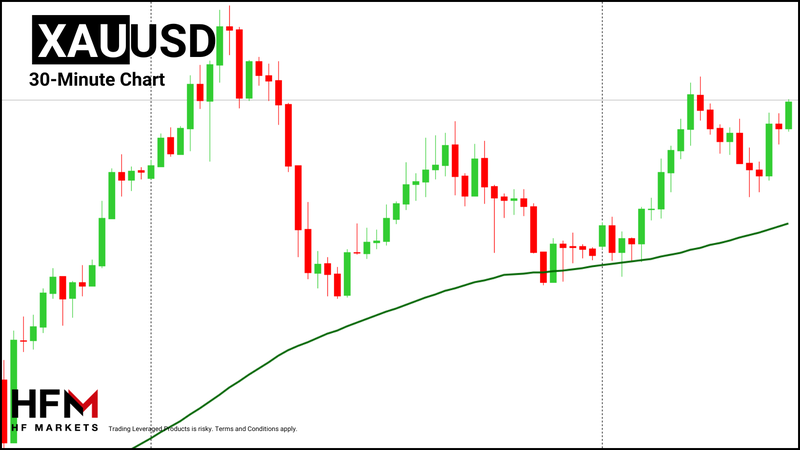
Re: Analyses de Marchés

Publié : 21 août 2026, 12:11
par HFblogNews
Date: 21st August 2026.

Gold Rises as Treasury Yields Rebound and Walmart Pressures the NASDAQ.

Image
Trading Leveraged products is Risky

Scott Bessent continues to support the Treasury’s move to buy back long-term bonds and has indicated larger future buybacks. The bond market did see yields decline after the Treasury announced its ‘new strategy’. However, yields are quickly rebounding, indicating that the US government may struggle to beat bond vigilantes.

On Friday, the trend of the past 48 hours continues with the stock market and the US Dollar declining and Gold rising. Investors are looking to determine how to change their price targets based on the changing market conditions and fundamentals.

Image
HFM - US Dollar 4-Hour Chart

In terms of technical analysis, the NASDAQ is trading above the 200-bar moving average on the 5-minute chart. However, the moving average continues to trade lower, and moving averages indicate bearish price movement on all other timeframes. Component analysis on Thursday indicated bearish price movement. This is due to 69% of the most influential components declining and the most volatile stocks falling, not increasing. However, the VIX index is trading slightly higher this morning, which may point to a retracement.

If the price rises above $29,397, buy signals can materialise as the price rises above a key trendline and away from the VWAP. A move above this price can indicate a daily correction. However, if the price regains bearish momentum, dropping below $29,206, sell signals remain intact.

Gold Maintains Bullish Indications

Gold remains technically bullish after breaking above the key $4,500 psychological level, which now acts as an important support zone. As long as XAU/USD holds above $–$4,470, buyers remain in control, with resistance at $4,565, followed by $4,580 and $4,610. Currently, gold is being supported by investors fearing instability, government debt, and a possible recession.

Momentum remains strong but increasingly stretched after the recent rally, raising the risk of short-term profit-taking. A break above $4,560 could extend gains towards $4,600, while a move back below $4,500 could trigger a deeper correction towards $4,470–$4,450. If inflation or oil prices rise, Gold may again come under pressure from rate-hike expectations.

EURUSD - Dollar Weakness and ECB Rate Hike Support The Euro

One of the best-performing currencies this week has been the Euro which has found support from Dollar weakness and expectations of an ECB September rate hike. The EUR/USD remains technically bullish, trading close to 1.1670–1.1700 as continued US Dollar weakness supports the pair. Immediate resistance is at 1.1700, followed by 1.1750; a sustained break above 1.1700 could strengthen the bullish trend and potentially open the way towards higher levels.

On the downside, 1.1650 is the first important support, followed by 1.1600-1.1550. As long as EUR/USD remains above this zone, buyers retain the advantage, while a break below 1.1550 would weaken the current bullish structure. This could increase the risk of a deeper correction.

Image
HFM - EURUSD 15-Minute Chart

According to Scott Bessent, the US Treasury Secretary, the Dollar’s decline over the past two days is purely market noise. While Bessent was speaking with journalists, he advised that the markets will soon see the Treasury’s intentions and that volatility will normalise.

Key Takeaways:

* US Treasury bond buybacks pushed yields lower initially, but yields are rebounding, showing that pressure in the bond market remains.
* Walmart shares fell 9% despite solid headline earnings, as comparable sales missed expectations and raised concerns about consumer strength.
* The NASDAQ remains under pressure from inflation concerns, higher oil prices, rate-hike expectations, and fiscal risks.
* Gold remains technically bullish above $4,500, supported by concerns over debt, instability, and recession risks.
* EUR/USD remains bullish, supported by US Dollar weakness and expectations of a possible ECB rate hike.

Always trade with strict risk management. Your capital is the single most important aspect of your trading business.

Please note that times displayed based on local time zone and are from time of writing this report.

Click HERE to access the full HFM Economic calendar.

Want to learn to trade and analyse the markets? Join our webinars and get analysis and trading ideas combined with better understanding of how markets work. Click HERE to register for FREE!

Click HERE to READ more Market news.

Michalis Efthymiou
HFMarkets


Disclaimer: This material is provided as a general marketing communication for information purposes only and does not constitute an independent investment research. Nothing in this communication contains, or should be considered as containing, an investment advice or an investment recommendation or a solicitation for the purpose of buying or selling of any financial instrument. All information provided is gathered from reputable sources and any information containing an indication of past performance is not a guarantee or reliable indicator of future performance. Users acknowledge that any investment in Leveraged Products is characterized by a certain degree of uncertainty and that any investment of this nature involves a high level of risk for which the users are solely responsible and liable. We assume no liability for any loss arising from any investment made based on the information provided in this communication. This communication must not be reproduced or further distributed without our prior written permission.
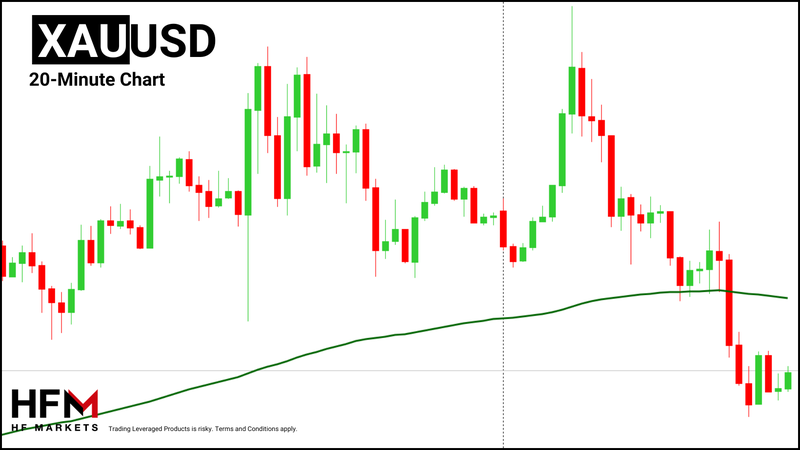
Re: Analyses de Marchés

Publié : 24 août 2026, 13:43
par HFblogNews
Date: 24th August 2026.

Market Outlook Today: Gold Rallies as Oil and Asian Stocks Fall.

Image
Trading Leveraged products is Risky

Today’s market outlook is dominated by geopolitical tension, US fiscal concerns, and uncertainty ahead of several major events. Gold reached a three-month high overnight, while oil prices and Asian stocks declined as traders awaited details of new US sanctions against Iran.

Attention will later shift towards NVIDIA’s earnings, US inflation data, and Federal Reserve Chair Kevin Warsh’s Jackson Hole speech. Together, these events could drive volatility across commodities, currencies, bonds, and global stock markets.

Key takeaways

* Gold climbed above $4,640 as concerns about US debt and dollar weakness increased demand for alternative assets.
* Oil fell by around 2% due to profit-taking, but risks surrounding Iran and the Strait of Hormuz remain elevated.
* Asian stocks declined, led by sharp losses in Samsung, Alibaba, and other technology-related companies.
* NVIDIA’s earnings on Wednesday could determine whether the AI-driven stock market rally can continue.
* Traders will monitor Iran sanctions, US inflation, and Jackson Hole for their potential impact on interest rate expectations.

Asian Stocks Fall as Technology Concerns Increase

Asian equity markets traded lower overnight. The MSCI Asia-Pacific index outside Japan fell around 0.9%, while South Korean technology shares came under particular pressure. Japan’s Nikkei remained close to unchanged after losing almost 4% last week.

Samsung Electronics fell 7.5% as investors reacted negatively to its plans to return capital to shareholders. Alibaba dropped 9.7% after announcing a $10.2 billion share sale to finance its expansion in artificial intelligence. SoftBank also declined after revealing plans for a record retail bond offering in Japan.

These developments highlight a change in the AI investment narrative. Investors are no longer focusing only on how much companies are spending on AI. They increasingly want evidence that these investments can generate sustainable revenue and attractive returns.

European and US equity futures were relatively stable during the Asian session, indicating that many investors are avoiding large positions ahead of this week’s major events.

NVIDIA Earnings Could Determine the Direction of Technology Stocks

Nvidia will report its quarterly results on Wednesday, making the announcement one of the most important events of the week for global stock markets.

Analysts expect the chipmaker’s quarterly revenue to almost double to approximately $92 billion. However, these high expectations create considerable risk if revenue, profit margins or forward guidance disappoint.

Investors will also examine the effect of Nvidia’s reported price increases on customer demand. Rising hardware costs may reduce the potential returns of companies already investing heavily in AI infrastructure.

Strong results and guidance could revive demand for technology and semiconductor stocks. A disappointment, however, may reinforce concerns about expensive valuations and the sustainability of the AI-led rally.

Image

Oil Prices Fall, but Iran Risks Remain Elevated

Oil prices declined by around 2% during early Asian trading as traders took profits following last week’s gains of more than 5%.

Brent crude moved towards $93 per barrel, while WTI traded close to $85. The decline does not necessarily indicate an improvement in the geopolitical situation. Instead, traders appear to be reducing positions before the US announces its latest economic measures against Iran.

The new sanctions are expected to target entities involved in buying and transporting Iranian oil, processing the country’s financial transactions and supporting transfers of fuel at sea.

If the measures discourage buyers, banks and shipping companies from handling Iranian crude, global oil supplies could tighten further. Iran has also warned that participation in the US economic campaign may be treated as an act of war.

Diplomatic efforts have not completely disappeared, with Pakistan attempting to encourage renewed negotiations between Washington and Tehran. Meanwhile, the absence of confirmed attacks in the Strait of Hormuz over the past 48 hours has reduced some immediate pressure on oil prices.

For traders, the key issue is whether the sanctions will materially reduce Iranian exports or provoke another escalation in the region.

Image

Gold Reaches Its Highest Level in Three Months

Gold extended its rally above $4,640 per ounce, reaching its highest level since May. The precious metal gained more than 5% last week and has risen over 15% so far in August.

The rally is being supported by concerns over US debt, fiscal policy and the dollar’s long-term purchasing power. The Treasury’s decision to increase buybacks of longer-dated government bonds initially pushed yields and the dollar lower, making gold more attractive.

Hedge funds have also increased their bearish positions on the US dollar, while institutional demand for protection against further dollar weakness has grown. Gold-backed exchange-traded funds recorded their strongest weekly inflows since January, indicating broader participation in the rally.

Nevertheless, gold’s rapid advance creates the possibility of short-term profit-taking. A recovery in the US dollar or real bond yields would be among the main risks to its bullish momentum.

Image

US Bond Yields Remain a Concern for Stock Markets

Despite the Treasury’s intervention, long-term US borrowing costs remain elevated. The 30-year Treasury yield is above 5.25%, close to its highest level in 19 years, while the 10-year yield is trading near 4.71%.

Higher yields can pressure stocks by making government bonds more attractive. They also reduce the present value of companies’ future earnings, creating a particular challenge for highly valued technology shares.

Traders will therefore assess whether Treasury Secretary Scott Bessent presents a credible fiscal plan for addressing government borrowing and rising debt. Increased bond buybacks may temporarily support the market, but concerns could continue without meaningful progress on budget deficits.

US Dollar Remains Under Pressure

The US Dollar Index is trading near 96.80 after falling approximately 0.8% last week. Investors are concerned that greater government involvement in the Treasury market could weaken confidence in the currency.

The euro held close to $1.1680, while USDJPY traded around 158.90.

The Canadian dollar weakened against the greenback after trade negotiations between the US and Canada collapsed. Canada announced retaliatory tariffs covering US steel, dairy products, electronics, agricultural equipment and other goods.

The dispute could increase inflationary pressure and create further volatility in USDCAD.

What Should Traders Watch Today?

The main event today will be the announcement detailing the new US sanctions against Iran. Traders should focus on whether the measures directly affect oil buyers, banks, shipping companies or countries helping Tehran maintain its exports.

Stricter sanctions could lift oil prices and inflation expectations. This may push bond yields higher, pressure stock markets and create a more complicated environment for gold. The precious metal could benefit from geopolitical uncertainty but may face resistance if real yields rise sharply.

Later this week, attention will turn to:

* Nvidia’s earnings on Wednesday
* US inflation figures
* Federal Reserve Chair Kevin Warsh’s Jackson Hole speech on Friday
* Further developments in the US-Canada trade dispute
* Oil flows and tanker activity around the Strait of Hormuz

Markets currently indicate approximately a 40% probability of a Federal Reserve rate hike in September, with a move fully priced by December. These expectations could change if inflation remains elevated or the Fed Chair signals that interest rates may need to remain higher.

Market Outlook for the Rest of the Day

The market outlook today remains highly dependent on political and economic headlines. Oil could react sharply to the details of the Iran sanctions, while gold may remain supported by dollar weakness and concerns surrounding US fiscal policy.

Stock market activity may remain cautious before Nvidia’s earnings and the Jackson Hole gathering. Traders should prepare for sudden price movements, monitor bond yields and avoid assuming that Monday’s relatively quiet opening means volatility has disappeared.

Always trade with strict risk management. Your capital is the single most important aspect of your trading business.

Please note that times displayed based on local time zone and are from time of writing this report.

Click HERE to access the full HFM Economic calendar.

Want to learn to trade and analyse the markets? Join our webinars and get analysis and trading ideas combined with better understanding of how markets work. Click HERE to register for FREE!

Click HERE to READ more Market news.

Andria Pichidi
HFMarkets


Disclaimer: This material is provided as a general marketing communication for information purposes only and does not constitute an independent investment research. Nothing in this communication contains, or should be considered as containing, an investment advice or an investment recommendation or a solicitation for the purpose of buying or selling of any financial instrument. All information provided is gathered from reputable sources and any information containing an indication of past performance is not a guarantee or reliable indicator of future performance. Users acknowledge that any investment in Leveraged Products is characterized by a certain degree of uncertainty and that any investment of this nature involves a high level of risk for which the users are solely responsible and liable. We assume no liability for any loss arising from any investment made based on the information provided in this communication. This communication must not be reproduced or further distributed without our prior written permission.
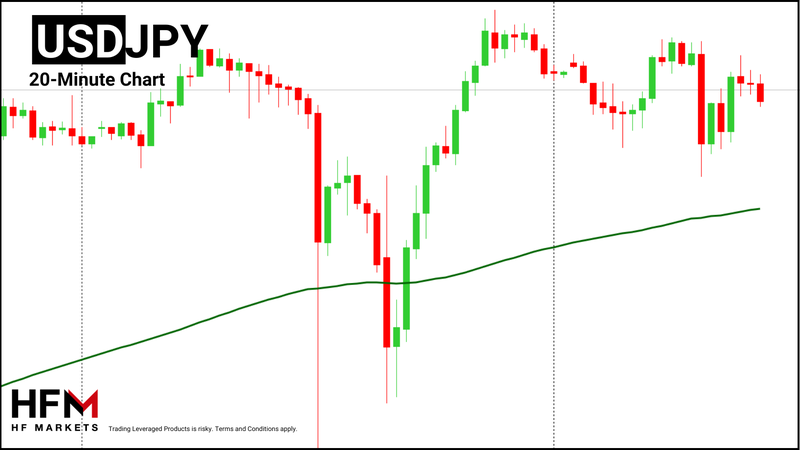
Re: Analyses de Marchés

Publié : 25 août 2026, 13:09
par HFblogNews
Date: 25th August 2026.

Markets Stabilise Ahead of NVIDIA Earnings as Bitcoin Breaks Above $80,000.

Image
Trading Leveraged products is Risky

US stock index futures moved higher on Tuesday as selling pressure across the technology sector began to ease. However, with NVIDIA earnings, the Jackson Hole symposium, and geopolitical risks all in focus, volatility may remain elevated across stocks, currencies, commodities, and cryptocurrencies.

NASDAQ 100 futures gained approximately 0.4% after the technology-heavy index came under pressure during Monday’s session. The decline was driven largely by semiconductor stocks, with investors reducing exposure before NVIDIA releases its quarterly results on Wednesday.

Asian markets delivered a mixed performance, although the broader MSCI Asia Pacific Index recovered from earlier losses. European equity markets were also positioned for a positive opening, suggesting that risk sentiment had improved slightly.

Nevertheless, the recovery remains cautious rather than decisive.

NVIDIA Earnings Could Set the Direction for Technology Stocks

NVIDIA has become one of the most important indicators of investor confidence in the artificial intelligence sector. Its shares fell 2.9% on Monday, extending their longest losing streak since 2022, while Micron Technology and Broadcom also recorded notable declines.

The weakness reflects growing concerns that valuations across the semiconductor sector may have moved too far ahead of underlying earnings growth.

NVIDIA’s upcoming results will therefore be examined for evidence that demand for AI infrastructure remains strong. Traders are likely to focus on revenue growth, data centre demand, profit margins, and management’s forward guidance.

Strong results and an optimistic outlook could revive demand for semiconductor and technology shares. However, disappointing guidance may reinforce concerns that the AI investment cycle is slowing, potentially placing further pressure on the NASDAQ 100 and S&P 500.

This makes NVIDIA’s announcement more than an individual corporate event. It could influence sentiment across the entire AI trade and determine whether the recent weakness in technology stocks develops into a broader correction.

Bitcoin Breaks Through $80,000

Bitcoin climbed above $80,000 for the first time since mid-May, extending a strong recovery across the cryptocurrency market. The asset briefly traded above $81,000 and has gained approximately 28% during August.

Several factors have supported the rally.

Proposed legislation offering greater regulatory clarity for the US cryptocurrency industry has improved sentiment. At the same time, concerns surrounding US debt, Treasury-market intervention, and the long-term value of the dollar have encouraged renewed interest in alternative assets.

The US Treasury’s plan to expand purchases of longer-dated bonds has also revived discussion around the ‘debasement trade.’ If government intervention limits the rise in bond yields without resolving underlying debt concerns, some investors may shift capital towards assets perceived as independent of traditional monetary systems.

Image

Bitcoin has benefited from this narrative alongside Gold, although the cryptocurrency’s stronger momentum has produced a more aggressive price move.

From a technical perspective, maintaining a position above $80,000 could strengthen bullish momentum and bring the $85,000 region into focus. A more sustained breakout could eventually encourage speculation about a move towards $95,000–$100,000.

However, after such a rapid monthly advance, Bitcoin may remain vulnerable to profit-taking. A return below $80,000 would suggest that the breakout has lost momentum, while a deeper decline could place attention back on the previous consolidation area.

Oil Falls Despite Increased Pressure on Iran

Oil prices extended their decline as traders assessed the latest US measures against Iran.

Brent crude fell towards $91 per barrel, while West Texas Intermediate traded close to $84. Both benchmarks had already declined by more than 2% during Monday’s session as investors took profits following two weeks of gains.

The United States has threatened additional economic penalties against countries continuing to conduct business with Iran. However, the market appears to view economic sanctions as a lower immediate threat to physical oil supplies than direct military action.

This explains why oil prices declined instead of rising following the announcement.

Nevertheless, the geopolitical risk premium has not disappeared. Iran continues to threaten action against vessels crossing the Strait of Hormuz, a critical route for global energy exports. Reports that a tanker was damaged near Oman also highlighted the continuing threat to regional shipping.

Oil traders must therefore balance two opposing forces: reduced expectations of an immediate military escalation and the persistent possibility of supply disruption.

A further decline in Brent could indicate that geopolitical concerns are being priced out of the market. Any confirmed disruption to shipping or oil production, however, could quickly reverse the move.

Treasury Yields Stabilise as Debt Concerns Remain

The US 10-year Treasury yield held close to 4.71% after declining by approximately four basis points on Monday.

Bonds initially found support following reports that the Treasury could use part of its cash reserves to fund purchases of older, higher-yielding securities. Such buybacks may improve market liquidity and reduce pressure on longer-term borrowing costs.

However, Treasury Secretary Scott Bessent stopped short of announcing further changes to US debt management policy. This left investors questioning whether buybacks can provide more than temporary relief.

The larger concerns remain the scale of US government borrowing, persistent inflation, and elevated oil prices. Unless these pressures ease, long-term yields could remain high even if Treasury intervention generates short-term demand for bonds.

For equity traders, the direction of yields remains particularly important. Falling yields may support growth and technology shares by reducing the rate used to value future earnings. Renewed upward pressure could create another obstacle for the NASDAQ and other highly valued areas of the market.

Gold Struggles to Maintain Earlier Gains

Gold briefly reached its highest level since May before reversing lower towards $4,640 per ounce.

The metal has recently benefited from concerns about government debt, possible currency debasement, and instability in the bond market. However, a recovery in the US Dollar and profit-taking limited Tuesday’s advance.

Gold is currently being influenced by several competing factors. Fiscal uncertainty and geopolitical risks provide support, while elevated Treasury yields increase the opportunity cost of holding a non-yielding asset.

As a result, the direction of the Dollar and long-term bond yields may remain central to Gold’s next significant move.

Jackson Hole Places Interest Rates Back in Focus

Federal Reserve Chair Kevin Warsh is scheduled to speak at the Jackson Hole symposium on Friday. Investors will look for indications of how the central bank intends to respond to stubborn inflation, elevated energy prices, and signs of slower economic growth.

A more restrictive message could support the Dollar and bond yields while placing pressure on stocks, Gold, and Bitcoin. A more balanced or accommodative tone may provide relief to risk assets, particularly if NVIDIA’s earnings also exceed expectations.

This creates two major tests for markets during the same week: NVIDIA must reinforce confidence in corporate earnings and the AI trade, while the Federal Reserve must provide greater clarity on the interest rate outlook.

What Traders Should Watch

The most important developments over the coming sessions include:

* NVIDIA’s earnings, guidance, and the reaction across semiconductor stocks
* Whether the NASDAQ 100 can sustain its recovery
* Bitcoin’s ability to remain above $80,000
* Changes in US Treasury yields and the Dollar
* Brent crude’s response to developments involving Iran and the Strait of Hormuz
* Gold’s ability to attract demand despite elevated yields
* Kevin Warsh’s comments on inflation and interest rates at Jackson Hole

Market sentiment has improved, but the recovery remains fragile. With technology earnings, monetary policy, and geopolitical risks converging, traders should prepare for higher volatility and potential reversals across multiple asset classes.

Always trade with strict risk management. Your capital is the single most important aspect of your trading business.

Please note that times displayed based on local time zone and are from time of writing this report.

Click HERE to access the full HFM Economic calendar.

Want to learn to trade and analyse the markets? Join our webinars and get analysis and trading ideas combined with better understanding of how markets work. Click HERE to register for FREE!

Click HERE to READ more Market news.

Andria Pichidi
HFMarkets


Disclaimer: This material is provided as a general marketing communication for information purposes only and does not constitute an independent investment research. Nothing in this communication contains, or should be considered as containing, an investment advice or an investment recommendation or a solicitation for the purpose of buying or selling of any financial instrument. All information provided is gathered from reputable sources and any information containing an indication of past performance is not a guarantee or reliable indicator of future performance. Users acknowledge that any investment in Leveraged Products is characterized by a certain degree of uncertainty and that any investment of this nature involves a high level of risk for which the users are solely responsible and liable. We assume no liability for any loss arising from any investment made based on the information provided in this communication. This communication must not be reproduced or further distributed without our prior written permission.
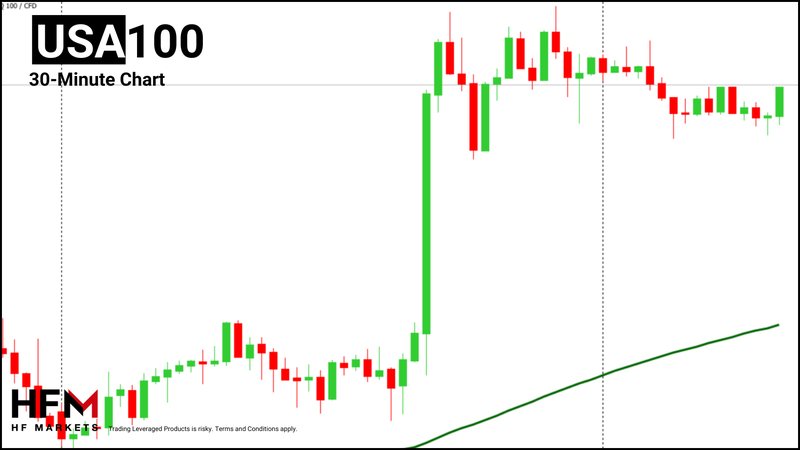
Re: Analyses de Marchés

Publié : 28 août 2026, 12:43
par HFblogNews
Date: 28th August 2026.

Markets Brace for Jackson Hole: USD, Gold, Oil, and Stocks in Focus.

Image
Trading Leveraged products is Risky

Global markets are entering the final trading sessions of August with investors focused on one major event: Federal Reserve Chair Kevin Warsh’s Jackson Hole speech.

The US Dollar is trading close to a one-week high, Treasury yields remain elevated, Gold has come under pressure, and US stock futures have turned cautious after the latest NVIDIA-driven technology rally. At the same time, oil prices are heading towards a sizeable weekly decline as developments surrounding Iran and the Strait of Hormuz reduce some of the geopolitical risk premium.

For traders, these themes are closely connected. Changes in interest rate expectations and bond yields could quickly influence currencies, commodities, and global stock indices.

US Dollar Holds Firm Ahead of Jackson Hole Speech

The US Dollar Index is trading around the 99.20 area, close to its highest level in a week.

EUR/USD has slipped towards $1.1645, while GBP/USD is trading near $1.3588. USD/JPY has also moved higher towards 159.55 as the Japanese Yen gives back some of its recent intervention-driven gains.

The Dollar's recent strength largely reflects caution ahead of the Federal Reserve's Jackson Hole symposium and renewed expectations that US interest rates may need to remain high.

Recent inflation data has shown that price pressures remain persistent, while several Federal Reserve officials have continued to express concerns over inflation.

Markets are currently pricing approximately a 35% probability of an interest rate hike at the Federal Reserve’s September meeting, with expectations for tightening increasing considerably towards the end of the year.

This puts significant attention on Kevin Warsh's Jackson Hole appearance.

What Could Kevin Warsh Say at Jackson Hole?

Warsh is scheduled to speak at 14:00 GMT, and traders will be searching for clues about three major issues:

* Inflation and whether the Federal Reserve believes price pressures remain too high.
* The possibility of additional interest rate increases.
* How the Fed views the recent volatility in US Treasury markets.

The key issue is not necessarily whether Warsh explicitly signals a hike. He has resisted forward guidance. Traders will instead look for his reaction function: what would make the Fed tighten, how concerned it is about inflation, and how it views the recent bond market volatility. That makes the tone of the speech particularly important.

Image

A hawkish message could strengthen rate-hike expectations and provide further support for the Dollar. However, Warsh has historically been reluctant to provide explicit forward guidance, creating another potential risk: markets may react negatively if his speech fails to reduce uncertainty surrounding Fed policy.

The last scenario is particularly interesting. Silence may not be neutral. With markets already uncomfortable about inflation and US fiscal policy, insufficient guidance could push the term premium and long-term yields higher.

Treasury Yields Could Drive the Next Market Move

US Treasury yields remain one of the most important indicators for traders.

The US 10-year yield is trading close to 4.68%, while the 30-year yield remains above 5%.

Higher yields generally support the Dollar but can create pressure on Gold and stocks by increasing borrowing costs and making risk-free government debt more attractive.

The situation has become even more important after US Treasury Secretary Scott Bessent announced plans to increase purchases of longer-term government bonds in an attempt to improve liquidity and reduce pressure on borrowing costs.

This creates an unusual policy environment.

The Federal Reserve remains concerned about inflation, while the Treasury is simultaneously attempting to reduce pressure at the longer end of the bond market.

How Warsh addresses this environment could therefore be just as important as what he says about the next Fed rate decision.

Gold Faces Pressure From Dollar and Yields

Gold has slipped towards $4,575 per ounce, with the stronger Dollar and elevated Treasury yields limiting demand.

The precious metal could remain highly sensitive to Warsh’s comments.

If markets increase expectations for another Fed rate hike, Treasury yields could move higher and strengthen the Dollar, potentially adding pressure on Gold.

On the other hand, any indication that the Fed is becoming more concerned about economic growth or financial stability could push yields lower and create renewed support for the precious metal.

For Gold traders, the reaction in the US Dollar Index and 10-year Treasury yield may provide some of the clearest signals following the speech.

Image

Oil Drops as Hormuz Supply Concerns Ease

Oil is experiencing a different form of pressure.

Brent crude has fallen towards $89 per barrel and is on track for a weekly decline of more than 5%.

The main driver has been progress between Iran and Oman over the management of traffic through the Strait of Hormuz, reducing fears of prolonged disruption to global energy supplies.

However, geopolitical risks have not disappeared.

The US remains reluctant to return to previous agreement terms with Iran, sanctions remain in place, and uncertainty surrounding the Strait continues.

This leaves oil vulnerable to sudden geopolitical moves in either direction.

Oil prices are also relevant to the broader monetary policy outlook. Another major increase in energy prices could fuel inflation, strengthen expectations for higher interest rates, and place further upward pressure on Treasury yields.

AI Optimism Meets Higher Financing Costs

Technology stocks remain supported by strong enthusiasm surrounding artificial intelligence.

NVIDIA shares surged almost 9% following strong results and an optimistic outlook for continued AI infrastructure spending.

However, the initial boost to broader markets has started to fade as investors turn their attention back towards interest rates.

Another important trend is emerging beneath the AI rally.

Companies have issued approximately $72 billion in zero-coupon convertible bonds this year, with AI-related businesses among the major issuers.

Strong demand allows companies to raise capital without paying traditional interest, as investors instead receive the potential opportunity to convert their bonds into shares.

But the scale of AI investment also highlights a growing challenge: funding massive infrastructure expansion in an environment of historically high borrowing costs.

This makes Treasury yields increasingly important for technology traders.

Strong AI earnings may continue supporting the NASDAQ, but persistently high yields could restrict valuations and increase financing costs across the sector.

What Should Traders Watch?

The immediate focus is likely to remain on four connected markets.

* US Dollar: A more hawkish Fed outlook could extend the Dollar’s recent recovery.
* Treasury yields: The 10-year yield around 4.68% remains an important gauge of interest rate and inflation expectations.
* Gold: Higher yields and a stronger Dollar could maintain pressure, while falling yields may provide support.
* Stock indices: AI optimism continues to support technology shares, but high borrowing costs remain a significant risk.

Meanwhile, oil remains the major geopolitical wildcard, with developments surrounding Iran and the Strait of Hormuz capable of quickly changing inflation expectations.

With monetary policy, inflation, geopolitics, and AI investment all influencing markets simultaneously, volatility could remain elevated as August draws to a close.

For traders, following the relationship between Treasury yields, the US Dollar and risk sentiment may be particularly important in identifying the next major market move.

Always trade with strict risk management. Your capital is the single most important aspect of your trading business.

Please note that times displayed based on local time zone and are from time of writing this report.

Click HERE to access the full HFM Economic calendar.

Want to learn to trade and analyse the markets? Join our webinars and get analysis and trading ideas combined with better understanding of how markets work. Click HERE to register for FREE!

Click HERE to READ more Market news.

Andria Pichidi
HFMarkets


Disclaimer: This material is provided as a general marketing communication for information purposes only and does not constitute an independent investment research. Nothing in this communication contains, or should be considered as containing, an investment advice or an investment recommendation or a solicitation for the purpose of buying or selling of any financial instrument. All information provided is gathered from reputable sources and any information containing an indication of past performance is not a guarantee or reliable indicator of future performance. Users acknowledge that any investment in Leveraged Products is characterized by a certain degree of uncertainty and that any investment of this nature involves a high level of risk for which the users are solely responsible and liable. We assume no liability for any loss arising from any investment made based on the information provided in this communication. This communication must not be reproduced or further distributed without our prior written permission.
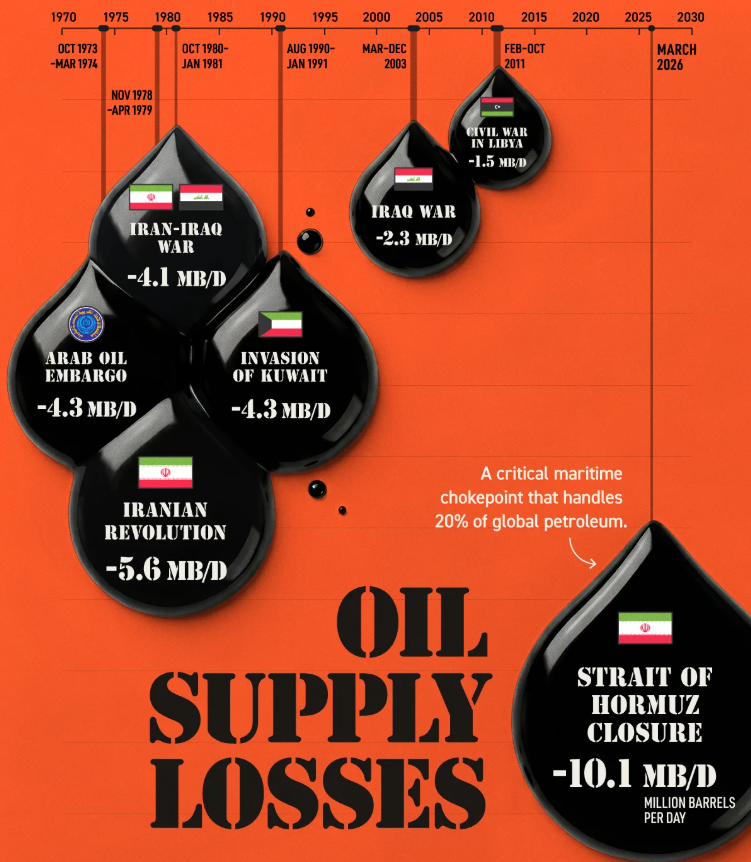
Re: Analyses de Marchés

Publié : 31 août 2026, 11:28
par HFblogNews
Date: 31st August 2026.

Jackson Hole Hawks and New Middle East Clashes.

Image
Trading Leveraged products is Risky

The US and Iran exchanged fire for the first time since July, quickly driving oil prices back above $85 per barrel. According to reports, the US struck rocket launchers on Larak Island, located near the key Strait of Hormuz chokepoint.

Market sentiment had been improving over the previous week as oil fell below $80 and NVIDIA’s earnings report beat expectations. Economists also continued to expect the Federal Reserve to pause in September. However, as crude oil prices have remained above $80 per barrel for three weeks, hopes for a pause are weakening.

Jackson Hole - Warsh Increases the Hawkish Tone

Other than the geopolitical developments, US monetary policy is particularly interesting and is triggering volatility among US Dollar pairs. The Fed Chair’s speech on 28 August was significantly more hawkish than most analysts were expecting.

According to Mr Warsh, inflation remains too high, while the economy continues to show resilience. July PCE inflation was running at 3.7% year-on-year, and Warsh said recent data had not convinced him that underlying inflation pressures were improving sufficiently. At the same time, he described economic activity as strong, supported by stable labour markets, solid business investment, and healthy corporate profits. This gives the Fed less reason to tolerate persistent inflation out of concern that tighter policy could push the economy into recession.

The Chair said credit and lending markets showed few signs that current monetary policy was restraining the economy. This was particularly important because it suggests the current 3.50%-3.75% Federal Funds Rate might not be restrictive enough. Economists view this as an indication that interest rates need to rise in order for inflation to come down.

US-Iran Clashes Push Oil Prices Higher

US forces struck two Iranian rocket launchers on Larak Island, near the Strait of Hormuz. US officials said Revolutionary Guard forces were preparing to launch rockets carrying sea mines into the key shipping route.

Iran reported casualties from the attack and subsequently retaliated by launching ballistic missiles towards US bases in Jordan. Reports indicated that nearly all incoming missiles were intercepted, with no significant impact. The confrontation is increasing concerns over further escalation and potential disruption to shipping.

Crude Oil - Back Above $86!

Crude oil opened with a bullish price gap measuring 1.70%. The price thereafter rose even further above $86, but has since lost momentum. However, even with the retracement, the price is maintaining a bullish price indication. The price is remaining above the trendline and moving average. However, the price is slightly below the VWAP, though this may indicate the possibility of entering at a competitive price. While the price on the 5-minute timeframe remains above the 200-bar simple moving average, buy signals are likely to remain intact.

Image
HFM - Crude Oil 30-Minute Chart

US Dollar - US Dollar Finds Support But Retraces

The US Dollar is the worst-performing currency of the day as it loses some of last week’s gains. However, the currency is the best-performing of the past week. The Dollar found support from the hawkish tone of the Federal Reserve, lower risk sentiment, and higher oil prices.

At the start of the European session, the best-performing currencies are the Japanese Yen, Swiss Franc and the Euro. For this reason, traders wishing to trade a weakening Dollar may opt for the EUR/USD, USD/CHF and USD/JPY. The worst-performing currencies are the Australian Dollar and the British Pound.

A key factor for the US Dollar will be price volatility in the oil markets and this week’s employment data. If crude oil remains above $85 per barrel and NFP data beats expectations, the US Dollar may rise back to 100.00. However, the US Dollar is currently continuing to retrace lower so far.

Image
HFM - AUDUSD 30-Minute Chart

Key Takeaways:

* US-Iran tensions have escalated again following the first direct exchange of strikes since July.
* Crude Oil has moved back above $85 per barrel, increasing concerns over potential supply disruptions through the Strait of Hormuz.
* Fed Chair Kevin Warsh adopted a more hawkish tone at Jackson Hole, stressing that inflation remains too high.
* Higher interest rate expectations have provided support to the US Dollar, despite the current retracement.
* This week’s US employment data, particularly NFP, will be a key driver of Fed expectations and market volatility.

Always trade with strict risk management. Your capital is the single most important aspect of your trading business.

Please note that times displayed based on local time zone and are from time of writing this report.

Click HERE to access the full HFM Economic calendar.

Want to learn to trade and analyse the markets? Join our webinars and get analysis and trading ideas combined with better understanding of how markets work. Click HERE to register for FREE!

Click HERE to READ more Market news.

Michalis Efthymiou
HFMarkets


Disclaimer: This material is provided as a general marketing communication for information purposes only and does not constitute an independent investment research. Nothing in this communication contains, or should be considered as containing, an investment advice or an investment recommendation or a solicitation for the purpose of buying or selling of any financial instrument. All information provided is gathered from reputable sources and any information containing an indication of past performance is not a guarantee or reliable indicator of future performance. Users acknowledge that any investment in Leveraged Products is characterized by a certain degree of uncertainty and that any investment of this nature involves a high level of risk for which the users are solely responsible and liable. We assume no liability for any loss arising from any investment made based on the information provided in this communication. This communication must not be reproduced or further distributed without our prior written permission.
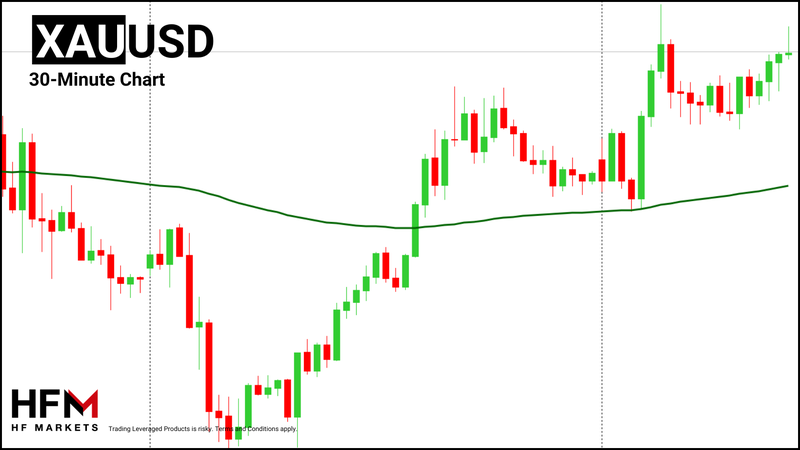
Re: Analyses de Marchés

Publié : 02 sept. 2026, 12:49
par HFblogNews
Date: 2nd September 2026.

Oil Breaks $90 as Gold and NASDAQ Face Growing Pressure.

Image
Trading Leveraged products is Risky

On Tuesday, the trend from Monday continued with bond yields rising to a new high and oil prices breaking above $90 per barrel. In addition, investors are increasingly pricing in the possibility of a Fed interest rate hike later this month. As a result, the stock market and Gold came under pressure, while the US Dollar maintained support.

The underlying driving factor remains oil prices and the Middle East crisis. Tensions in the Middle East continue to escalate, with further attacks on two tankers. Higher oil prices are prompting inflation fears, which in effect are pushing yields and interest rates higher. According to the Chicago exchange, almost 70% of the market is pricing in a September hike.

Oil Prices and the Middle East Conflict

The US launched a new round of strikes against Iran on 1 September, targeting Islamic Revolutionary Guard Corps (IRGC) military infrastructure around the Strait of Hormuz, including air-defence systems, radar, communications, and capabilities used to threaten shipping. Washington said the operation was a response to recent Iranian attempts to attack commercial vessels and US forces in the region.

Tensions intensified further after two oil supertankers carrying Saudi crude were struck by projectiles while attempting to exit the Strait of Hormuz. The Saudi-operated Sidr and the Senegal Prosperity were hit within minutes of each other, with each tanker carrying around two million barrels of crude oil.

Crude oil prices rose throughout all sessions on Monday, with few attempts to retrace lower. The price also rose during this morning’s Asian session, but has since lost momentum. The higher oil prices are supporting the US Dollar Index, which is now close to breaking above 100.00.

Even though the bullish momentum weakened this morning, the price remains firmly above the key moving averages. In addition to this, the bearish correction has also not continued to decline to a lower low. For this reason, the price is not switching to a bearish indication. If the price breaks again above $91.30, the asset is likely to see stronger bullish indications materialise.

Image
HFM - Crude Oil 30-Minute Chart

Gold Under Pressure With $4,000 as a Potential Target

Gold has now fully corrected the bullish impulse wave seen in the second half of August. The downward momentum is due to the rise in oil prices, a stronger US Dollar, and expectations of interest rate hikes. However, for Gold more needs to be taken into account.

Under the current market conditions of higher inflation and interest rates, Gold can potentially continue to decline. For example, key support levels can be seen at $4,000. However, if bond yields, which continue to rise, trigger a market shock, investors are likely to turn to Gold, which is not related to the US government. For this reason, traders need to consider the possibility of a decline as well as a rebound.

For the time being, the price in the short and medium term continues to provide a bearish bias. Gold continues to show bearish indications in the short term, with downside pressure intact while the price stays below the $4,400–$4,450 resistance area. The price trades below the moving average and VWAP, but trades in a neutral area on the RSI and MACD.

For the medium term, the outlook is more neutral. A recovery above $4,500 would improve the bullish structure and could bring $4,700 back into focus, while a sustained break below $4,300 would signal a deeper correction back down to $4,000.

Image
HFM - Gold 30-Minute Chart

NASDAQ Hit By Low Risk Sentiment

The bearish pressure on the stock market is clear, with only positive earnings and the AI trend keeping stocks afloat. The NASDAQ has fallen as inflation and interest rates hit consumer sentiment, while geopolitics prompt a risk-off appetite.

None of the global indices is trading higher on Tuesday, which gives a bearish bias. The VIX index provides a neutral indication, while the put-call ratio is again on the rise, indicating selling pressure. 86% of the most influential NASDAQ stocks fell on Monday.

A key source of support for the NASDAQ came from Apple, its third-largest constituent, which rose 2.60%. According to analysts, without Apple’s gains, the index would likely have fallen below its previous support levels and seen a larger decline.

A key support level for the NASDAQ is $28,889.20. In the short term, bearish signals from moving averages are likely to remain unless the price increases above $29,090.

Key Takeaways:

* Oil breaks above $90 as US-Iran tensions escalate and two oil supertankers are struck near the Strait of Hormuz.
* Bond yields continue to rise, while markets increasingly price in the possibility of a Fed rate hike later this month.
* Gold remains under pressure, with $4,000 emerging as a potential downside target if the bearish trend continues.
* NASDAQ sentiment remains bearish, although Apple’s 2.60% gain helped prevent a deeper decline.
* The US Dollar remains supported by higher yields, rising oil prices, and expectations of tighter Fed policy.

Always trade with strict risk management. Your capital is the single most important aspect of your trading business.

Please note that times displayed based on local time zone and are from time of writing this report.

Click HERE to access the full HFM Economic calendar.

Want to learn to trade and analyse the markets? Join our webinars and get analysis and trading ideas combined with better understanding of how markets work. Click HERE to register for FREE!

Click HERE to READ more Market news.

Michalis Efthymiou
HFMarkets


Disclaimer: This material is provided as a general marketing communication for information purposes only and does not constitute an independent investment research. Nothing in this communication contains, or should be considered as containing, an investment advice or an investment recommendation or a solicitation for the purpose of buying or selling of any financial instrument. All information provided is gathered from reputable sources and any information containing an indication of past performance is not a guarantee or reliable indicator of future performance. Users acknowledge that any investment in Leveraged Products is characterized by a certain degree of uncertainty and that any investment of this nature involves a high level of risk for which the users are solely responsible and liable. We assume no liability for any loss arising from any investment made based on the information provided in this communication. This communication must not be reproduced or further distributed without our prior written permission.
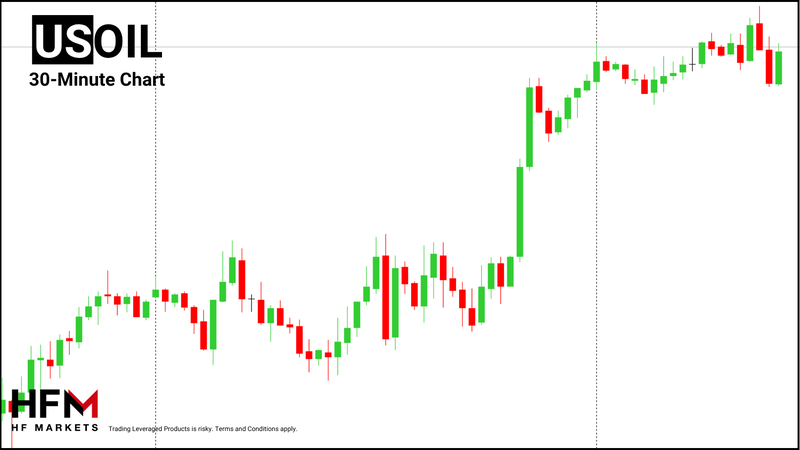
Re: Analyses de Marchés

Publié : 03 sept. 2026, 12:37
par HFblogNews
Date: 3rd September 2026.

Yen Surges, Oil Wavers, and Wall Street Holds Its Breath.

Image
Trading Leveraged products is Risky

Global markets opened Thursday in a distinctly jittery mood. Asian equities whipsawed, the Japanese Yen powered to its strongest level in nearly a month, oil pulled back from a volatile session tied to renewed US-Iran hostilities, and traders everywhere seemed to be marking time until Friday’s US jobs report. Here’s a breakdown of the biggest stories moving markets today , and what they could mean heading into the weekend.

Asian Stocks Take Investors on a Rollercoaster Ride

South Korean tech stocks were the epicentre of Thursday's volatility. The Kospi Index, often treated as a proxy for global AI investment sentiment, surged as much as 1.8% before abruptly reversing into a 1.9% decline, a swing of nearly four percentage points in a single session.

The broader MSCI Asia-Pacific gauge followed a similar, if less dramatic, arc: up as much as 1.2%, nearly flat by midday, then closing 0.6% higher. Meanwhile, outside Japan, the region’s shares climbed roughly 0.8%, building on modest overnight gains from Wall Street. Futures for US and European equities stayed largely range-bound, suggesting traders are waiting for clearer signals before committing to a direction.

Image

The Yen’s Sharp Rally Has Everyone Watching Tokyo

If there’s one story dominating trading desks this week, it's the Yen. The currency jumped as much as 0.9% in the prior session and extended that move on Thursday, touching roughly 157.3-157.5 per Dollar, its strongest level in nearly a month.

The catalyst: increasingly hawkish signals from the Bank of Japan. Board member Hajime Takata suggested the central bank should be willing to raise rates nimbly rather than sticking to a fixed semiannual cadence, a comment analysts described as some of the most direct hawkish messaging yet from BoJ leadership. Markets have responded by fully pricing in a quarter-point hike at this month’s BoJ meeting, with only a small probability assigned to a larger 50-basis-point move.

Strategists are split on whether Japanese authorities intervened to support the currency. Most analysts believe the move reflects genuine rate repricing rather than official action, noting that the scale of the shift was too modest to represent a coordinated intervention. Strength in Japan’s services sector, which expanded at its fastest pace in five months in August, added further fuel to the case for tighter policy.

The Yen’s rally rippled across currency markets, dragging the euro and British pound lower against it, while the US Dollar index slipped for a second straight session.

Image

Oil Retreats as US-Iran Tensions Show Tentative Signs of Easing

Crude prices pulled back after a turbulent session driven by fresh military exchanges between the United States and Iran, the most significant flare-up in the conflict since July, now in its seventh month. Brent crude eased towards roughly $94-95 a barrel, while US West Texas Intermediate slipped below $91, both retreating from highs not seen since late July.

President Trump indicated that the renewed campaign against Iran would be short-lived, saying US forces had struck Iranian radar and missile systems along the Strait of Hormuz. Traffic through the critical waterway remained thin, with shipping data showing only a handful of vessels transiting versus a typical 10-day average of around 13, though the US separately noted that Monday saw the largest volume of crude pass through the strait since the conflict began.

Elsewhere in energy markets, European natural gas futures extended a four-day winning streak towards their highest close since early 2023, and copper prices in London crept closer to January’s record high.

Image

All Eyes on Friday's Jobs Report as Rate-Hike Bets Climb

Behind the currency and commodity moves lies a bigger question: what will the Federal Reserve do next? Traders have sharply raised the odds of a September rate hike, with futures markets now pricing in roughly a 61-62% probability, up from just 37% a week earlier, following a disappointing private payrolls reading for August.

New York Fed President John Williams tempered some of that enthusiasm, framing rising long-term yields as a sign of underlying economic strength rather than a reason to panic, while noting that he's still gathering data ahead of the Fed's next decision. Fed Governor Christopher Waller is due to speak next, and Friday's nonfarm payrolls report, expected to show a modest gain of around 56,000 jobs after July's surprise drop, could be the decisive data point.

Treasury yields eased slightly from multi-decade highs, with the 10-year hovering near 4.77% and long-dated Japanese government bonds also pulling back from record levels after a well-received 30-year debt auction. Gold, meanwhile, extended its safe-haven rally, climbing more than 1% to trade above $4,430 an ounce.

The Bottom Line

Thursday’s session captured a market caught between competing forces: a hawkish BoJ pulling the Yen higher, an uneasy ceasefire-adjacent moment in the Middle East pulling oil lower, and a Federal Reserve that markets increasingly expect to tighten policy this month. With Friday’s payrolls report now the market's central focus, expect volatility to persist until traders get the clarity they are looking for.

Always trade with strict risk management. Your capital is the single most important aspect of your trading business.

Please note that times displayed based on local time zone and are from time of writing this report.

Click HERE to access the full HFM Economic calendar.

Want to learn to trade and analyse the markets? Join our webinars and get analysis and trading ideas combined with better understanding of how markets work. Click HERE to register for FREE!

Click HERE to READ more Market news.

Andria Pichidi
HFMarkets


Disclaimer: This material is provided as a general marketing communication for information purposes only and does not constitute an independent investment research. Nothing in this communication contains, or should be considered as containing, an investment advice or an investment recommendation or a solicitation for the purpose of buying or selling of any financial instrument. All information provided is gathered from reputable sources and any information containing an indication of past performance is not a guarantee or reliable indicator of future performance. Users acknowledge that any investment in Leveraged Products is characterized by a certain degree of uncertainty and that any investment of this nature involves a high level of risk for which the users are solely responsible and liable. We assume no liability for any loss arising from any investment made based on the information provided in this communication. This communication must not be reproduced or further distributed without our prior written permission.
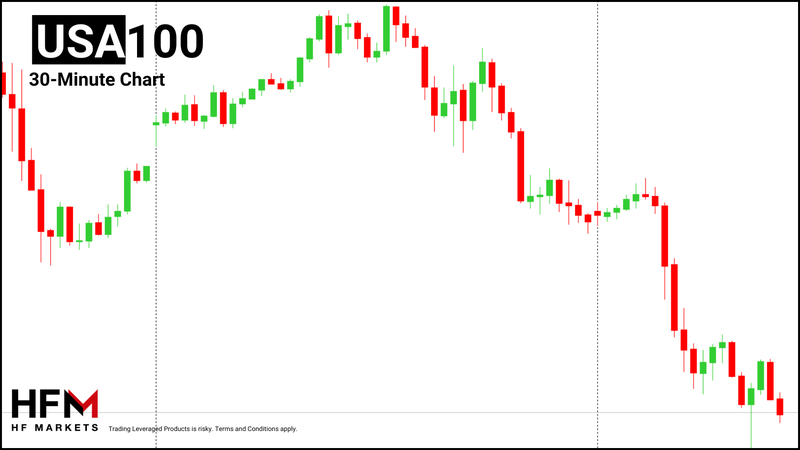
Re: Analyses de Marchés

Publié : 04 sept. 2026, 12:25
par HFblogNews
Date: 4th September 2026.

Waller's Dovish Pivot Keeps the Dollar on the Back Foot Into Payrolls.

Image
Trading Leveraged products is Risky

Risk assets extended their advance overnight as traders further pared back the odds of a September Fed hike following dovish remarks from Governor Christopher Waller. The Dollar sits near multi-month lows, the Yen is having its best week since the July intervention, and havens like Gold are holding firm even as oil grinds higher on Middle East supply risk. All eyes now turn to today’s payrolls report to settle the debate.

USD: Payrolls Need to Shock to Change the Story

The Dollar’s slide has further to run unless today’s jobs report delivers a genuine upside surprise. Governor Waller told a Reuters NEXT event that he could support holding rates steady this month if incoming data confirms the disinflation trend already underway, a notable break from Chair Kevin Warsh's hawkish tone last week. He pointed to the Fed's preferred inflation gauge, core PCE, cooling to 3.7% in July from 4.1% in May, as evidence the trend is intact, and added that he doesn't expect payrolls to deviate much from the recent trend of a stable but unspectacular labour market.

Markets have listened. Pricing for a 25-basis-point September hike has fallen to roughly a coin flip, down sharply from the high 60s just a couple of days ago, and a broad Dollar index is trading at its softest levels since May. Consensus looks for around 56,000 jobs after last month’s shock decline, with unemployment seen steady at 4.1%, a number the Fed still reads as close to full employment. A print in line with or below consensus should keep the Dollar offered into the weekend; only a genuinely hot number is likely to revive hike bets meaningfully, given the Fed's stated focus is now squarely on the inflation side of its mandate rather than labour slack.

Treasuries have caught a bid alongside the Dollar’s weakness. Two-year yields are holding near 4.33%, off their 20-month highs, while the curve has bull-steepened as the front end outperforms. Ten- and 30-year yields have also eased modestly, though longer-dated paper remains hostage to inflation and fiscal-supply concerns that a single jobs report won't resolve.

JPY: Best Week Since the Intervention, but the Move May Be Maturing

The Yen has been the standout story this week, rallying as much as 2% in a single session and putting it on track for its strongest week since Japan and the US jointly intervened to arrest its slide. USD/JPY has pulled back from a low near 155.30 to trade around 156.30 as some of the move gets pared, but the underlying driver, rapidly rising conviction in a Bank of Japan hike this month, remains intact. Swaps now imply roughly a 75% chance of a September move, with an increase fully priced by October, and speculation is building that policymakers could even deliver back-to-back hikes or a larger single step.

Speculation that Japan’s pension giants, including the GPIF, may lean further into domestic bonds has also helped anchor the long end of the JGB curve, with super-long-term yields easing even as global yields stay elevated. That combination, a more hawkish BoJ and firmer demand for domestic duration, is a supportive backdrop for the Yen, though positioning is less stretched than during prior Yen squeezes, which argues for consolidation rather than an immediate extension towards the 150-152 area.

Commodities: Oil's Geopolitical Bid, Gold Steady

Brent crude is holding just above $95.50 per barrel and is on track for its biggest weekly gain since July, driven by renewed US-Iran tensions and fears of prolonged disruption to flows through the Strait of Hormuz. That geopolitical premium is one of the few forces working against the broader disinflation narrative the Fed is trying to build a case around. Gold, meanwhile, is consolidating near $4,470 per ounce after a 2% overnight rally, on course to finish the week roughly flat, a sign that havens are being supported more by real-yield declines than by any fresh flight-to-safety impulse.

Image

Risk Sentiment: Equities Extend Gains, Asia Leads

The broader risk backdrop remains constructive. Wall Street’s rally on Waller's comments carried into Asia, where the regional equity gauge climbed around 1%, China's blue chips jumped 4%, and South Korea’s KOSPI rose 2%; Japan’s Nikkei 225 added 1.4% on the day but is still nursing a weekly loss of nearly 2% given the Yen's surge. Nasdaq and S&P futures point to a firmer US open, and European equities are set to open modestly higher too. Strategists caution that the picture is still finely balanced: with roughly two weeks to the Fed decision and mid-term elections looming, several see the risks to sentiment as skewed slightly to the downside from here, arguing for a degree of caution even as markets chase the dovish narrative.

What to Watch

Today’s US non-farm payrolls report (consensus 56,000, unemployment 4.1%) is the clear focus. A soft or in-line print should reinforce the Dollar-negative, Yen-positive, risk-on setup currently in place; a strong beat would revive September hike pricing quickly, given how far it has already fallen this week, and could trigger a sharper reversal in both rates and FX than the market is currently positioned for.

Always trade with strict risk management. Your capital is the single most important aspect of your trading business.

Please note that times displayed based on local time zone and are from time of writing this report.

Click HERE to access the full HFM Economic calendar.

Want to learn to trade and analyse the markets? Join our webinars and get analysis and trading ideas combined with better understanding of how markets work. Click HERE to register for FREE!

Click HERE to READ more Market news.

Andria Pichidi
HFMarkets


Disclaimer: This material is provided as a general marketing communication for information purposes only and does not constitute an independent investment research. Nothing in this communication contains, or should be considered as containing, an investment advice or an investment recommendation or a solicitation for the purpose of buying or selling of any financial instrument. All information provided is gathered from reputable sources and any information containing an indication of past performance is not a guarantee or reliable indicator of future performance. Users acknowledge that any investment in Leveraged Products is characterized by a certain degree of uncertainty and that any investment of this nature involves a high level of risk for which the users are solely responsible and liable. We assume no liability for any loss arising from any investment made based on the information provided in this communication. This communication must not be reproduced or further distributed without our prior written permission.
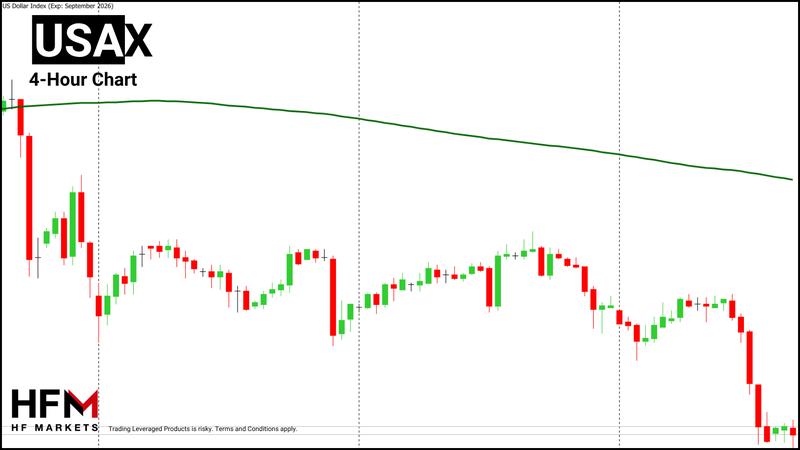
Re: Analyses de Marchés

Publié : 10 sept. 2026, 12:24
par HFblogNews
Date: 10th September 2026.

ECB Rate Decision and US PPI: EUR/USD Outlook.

Image
Trading Leveraged products is Risky

The Euro edges higher on Thursday as the European Central Bank’s rate decision edges closer. Markets expect the ECB to increase interest rates from 2.40% to 2.65% taking the main refinancing rate to an 18-month high. The Euro will be influenced by the rate decision, but also largely from the guidance given during the press conference. However, the US Producer Price Index may also impact the Euro, as the Dollar is its main competitor.

Later this afternoon, the US will announce its Producer Price Index (producer inflation), followed by the consumer inflation figure tomorrow. If the US inflation is higher than expectated and the ECB’s President, Christine Lagarde, is not hawkish enough, the Euro may decline. Currently, the worst-performing currency of the day is the US Dollar. The Euro is the third-best-performing after the Swiss Franc and New Zealand Dollar.

Euro and the ECB Rate Decision

The 25-basis-point hike is fully priced into the Euro and European indices. For this reason, a rate hike is not adequate to maintain bullish price movement. The key for investors will be Christine Lagarde’s comments on future rate hikes and inflation in the EU.

Eurozone headline inflation jumped from 2.9% to 3.3% in August, largely because of energy prices. At the same time, Brent crude has moved back above $100, increasing the risk that energy inflation spreads into transportation, manufacturing, and eventually consumer prices.

If President Lagarde indicates that today's hike may not be enough, markets will start pricing the deposit rate at 2.75%. Deutsche Bank, JPMorgan, and BNP Paribas are among those now expecting another 25-basis-point hike in December. This would be positive for the Euro and negative for European indices.

Interestingly, the ECB may raise its 2026 growth projection because the economy has performed better than expected. Stronger growth gives the ECB more room to hike without fearing an immediate recession or economic slowdown. As the EU is a net importer of oil, higher oil prices are also key to the Eurozone’s monetary policy.

From recent speeches and interviews, certain ECB members are looking to vote for a hike. These include Germany’s Joachim Nagel, as well as Isabel Schnabel and Olli Rehn. However, others are more reluctant, such as Philip Lane. Though it is vital that traders remember that developments across the Atlantic will also be key for the Euro.

US Dollar and US Inflation

Producer inflation figures can be just as important for the Fed’s decision as the CPI. For this reason, many traders are eagerly watching today’s event. Traders should note that last month’s PPI announcement prompted double the amount of volatility compared with CPI.

Currently, there is roughly a 60% probability of a 25-basis-point Fed hike, while economists surveyed by Reuters still mostly expect the Fed to leave the 3.50-3.75% rate unchanged. That disagreement means that today’s inflation figure will be even more important and could trigger new impulse waves.

Analysts expect the Producer Price Index to have risen 0.4% in August and the core figure to have risen 0.3%. If the figure reads higher than the expected, the US Dollar could rise and the Euro could decline. Tomorrow’s CPI figure could also have a similar impact but may experience slightly less volatility.

Image
HFM - EURUSD 1-Hour Chart
In terms of technical analysis, the Euro has a slight edge over the US Dollar for the time being. The price is trading above the key moving averages on most timeframes, but is also at a neutral level on the RSI. During the Asian session, the price of the EUR/USD rose but is now trading sideways. Investors are most likely awaiting for the latest data to be made public.

If the price rises above 1.16405, buy signals could start to materialise from the breakout and bullish crossover. However, traders should be cautious of the resistance levels at 1.16535 and 1.16795. However, if the PPI release pushes the price down, with a weaker PPI reading, sell signals may potentially materialise at 1.16340 and 1.16290.

Key Takeaways:

* The ECB is expected to hike rates by 25 basis points, but Lagarde’s guidance on future hikes will be more important for the Euro.
* Higher Eurozone inflation and rising oil prices could strengthen the case for further ECB tightening later this year.
* US PPI and CPI will be key for Fed expectations, with stronger-than-expected inflation likely to support the US Dollar.
* EUR/USD remains technically supported, with 1.16405 as a key upside trigger and resistance around 1.16535–1.16795.

Always trade with strict risk management. Your capital is the single most important aspect of your trading business.

Please note that times displayed based on local time zone and are from time of writing this report.

Click HERE to access the full HFM Economic calendar.

Want to learn to trade and analyse the markets? Join our webinars and get analysis and trading ideas combined with better understanding of how markets work. Click HERE to register for FREE!

Click HERE to READ more Market news.

Michalis Efthymiou
HFMarkets


Disclaimer: This material is provided as a general marketing communication for information purposes only and does not constitute an independent investment research. Nothing in this communication contains, or should be considered as containing, an investment advice or an investment recommendation or a solicitation for the purpose of buying or selling of any financial instrument. All information provided is gathered from reputable sources and any information containing an indication of past performance is not a guarantee or reliable indicator of future performance. Users acknowledge that any investment in Leveraged Products is characterized by a certain degree of uncertainty and that any investment of this nature involves a high level of risk for which the users are solely responsible and liable. We assume no liability for any loss arising from any investment made based on the information provided in this communication. This communication must not be reproduced or further distributed without our prior written permission.
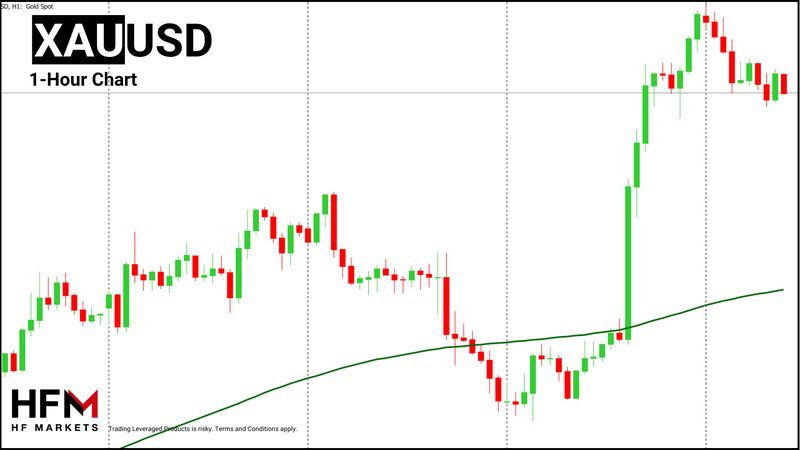
Re: Analyses de Marchés

Publié : 14 sept. 2026, 17:13
par HFblogNews
Date: 14th September 2026.

NASDAQ Falls as AI Concerns, Fed Outlook, and Oil Prices Drive Risk-Off Sentiment.

Image
Trading Leveraged products is Risky

AI companies are clashing with the White House over developing AI products. The NASDAQ fell 1.30% on Monday as Wall Street turn ‘risk-off’ due to a potential AI slowdown. In addition to this, investors turned their attention to key central bank decisions, including the Federal Reserve, Bank of England, and Bank of Japan.

The decline is not only seen among tech-stocks, indices globally are trading lower. The worst performing indices are the Nikkei 225, NASDAQ, and the Euro Stoxx 50. The downward pressure seen in the equity market is partially due to the talk of slowing down AI development, but also due to a more hawkish global monetary policy. The market now expects the Federal Reserve and the Bank of Japan to hike by 0.25% this week.

The best-performing currencies of the day are the US Dollar, Canadian Dollar and Swiss Franc. The worst-performing are the New Zealand Dollar and Australian Dollar.

NASDAQ - AI Slow Down Gets President Trump’s Attention

The NASDAQ saw a relatively strong and rare bearish price gap this morning. The decline is a combination of three developing stories: the AI slowdown, higher oil prices, and the upcoming Fed decision.
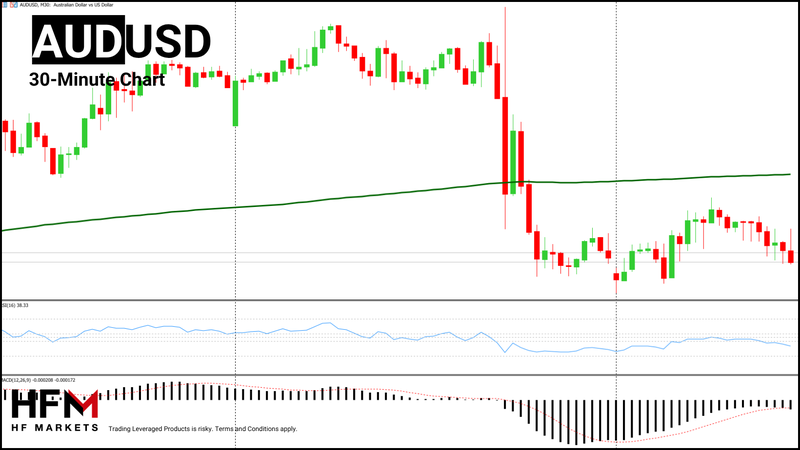
OpenAI was the first major AI company to call for slower development to improve safety and reduce potential future risks. After the comments by OpenAI’s CEO, the NASDAQ saw some decline but was able to bounce back the next day. However, Anthropic has now also taken a similar tone and caught the attention of the White House.

As a result, investors are not waiting for clarity, they are selling now and asking questions later. Anthropic CEO Dario Amodei has suggested allowing independent third-party evaluators to assess new AI systems before launch, an approach OpenAI CEO Sam Altman has also said he supports and plans to adopt.

The White House has pushed back against calls to slow AI development, with President Trump arguing that maintaining America’s technological lead over China is a priority. Trump acknowledged that some safeguards may be necessary but dismissed warnings around AI, stating that ‘whoever wins AI wins.’ His administration favours industry-led safety measures and opposes restrictions that could slow US innovation or allow China to close the gap.

Image
HFM - NASDAQ 3-Hour Chart

The NASDAQ's price movement will now depend largely on whether the government and AI companies can calm investors’ nerves. Another key factor will be the Federal Reserve’s guidance on future rate adjustments.

The bearish price gap has taken the index down to the key support level. Downward price movement over the past month has been unable to break below this support level. If the price does fall, lower bearish indications are likely to materialise. When monitoring only the daily price movement, the price is forming a descending triangle pattern, which is known to indicate bearish sentiment. In the short term, bearish signals are likely to remain while the price trades below $29,046.85 and strengthen below $29,000.00.

US Dollar - Fed and Oil Prices

A positive factor for the US Dollar is the expectation for an upcoming interest rate hike and higher oil prices. According to the Chicago Exchange, the possibility of a rate hike from the Federal Reserve on Wednesday evening is 90%. The rate hike is almost fully priced into the market, but not completely. Therefore, the hike could trigger volatility, but the key price drivers will most likely be the Fed’s tone and oil prices.

Oil prices have now remained above $100 for almost three days. Oil prices rose sharply at the start of the week, with Brent crude climbing above $108 per barrel as tensions in the Middle East intensified. The main concern is the shutdown of Saudi Arabia’s key East-West pipeline following drone attacks, reducing an important alternative route that bypasses the Strait of Hormuz.

Simultaneously, continued Houthi attacks and renewed threats around major shipping routes have increased fears of further supply disruptions. If the Federal Reserve provides a hawkish tone and oil prices remain close to $100 per barrel, the US Dollar could maintain bullish price movement.

Of particular interest is the EUR/USD, which has fallen below the support level and is experiencing strong bearish price action.
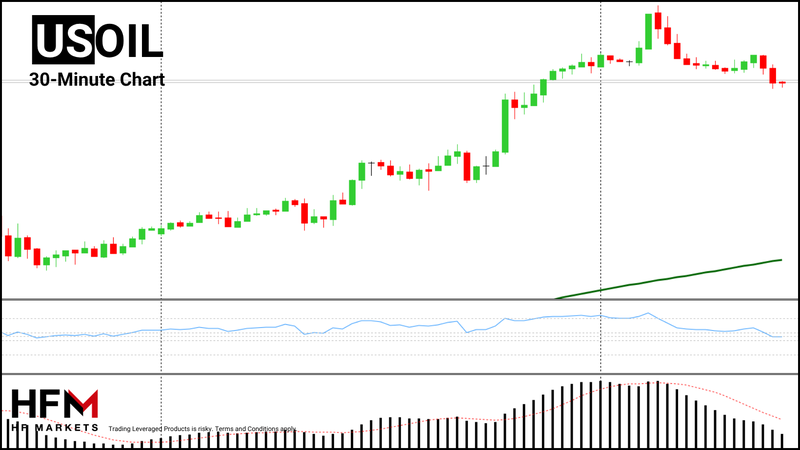
Key Takeaway Points:

* AI slowdown concerns and White House opposition are increasing uncertainty across the technology sector and weighing on the NASDAQ.
* Global equity markets are under pressure as investors prepare for potentially more hawkish decisions from major central banks.
* The US Dollar remains supported by expectations of a Federal Reserve rate hike and elevated oil prices.
* Brent crude above $100 continues to raise inflation concerns and increase volatility across financial markets.

Always trade with strict risk management. Your capital is the single most important aspect of your trading business.

Please note that times displayed based on local time zone and are from time of writing this report.

Click HERE to access the full HFM Economic calendar.

Want to learn to trade and analyse the markets? Join our webinars and get analysis and trading ideas combined with better understanding of how markets work. Click HERE to register for FREE!

Click HERE to READ more Market news.

Michalis Efthymiou
HFMarkets


Disclaimer: This material is provided as a general marketing communication for information purposes only and does not constitute an independent investment research. Nothing in this communication contains, or should be considered as containing, an investment advice or an investment recommendation or a solicitation for the purpose of buying or selling of any financial instrument. All information provided is gathered from reputable sources and any information containing an indication of past performance is not a guarantee or reliable indicator of future performance. Users acknowledge that any investment in Leveraged Products is characterized by a certain degree of uncertainty and that any investment of this nature involves a high level of risk for which the users are solely responsible and liable. We assume no liability for any loss arising from any investment made based on the information provided in this communication. This communication must not be reproduced or further distributed without our prior written permission.